
Greenhouse Ventilation and Dehumidification: Key Environmental Management for Crop Health
In greenhouse cultivation, temperature and humidity are the two most core environmental factors affecting crop growth. In summer, excess heat and moisture can accumulate inside the greenhouse, while in winter a balance must be struck between insulation and ventilation. A well-designed ventilation and dehumidification system not only prevents diseases and improves yields but also significantly reduces energy costs. This article introduces common ventilation and dehumidification equipment used in greenhouses and key selection considerations.
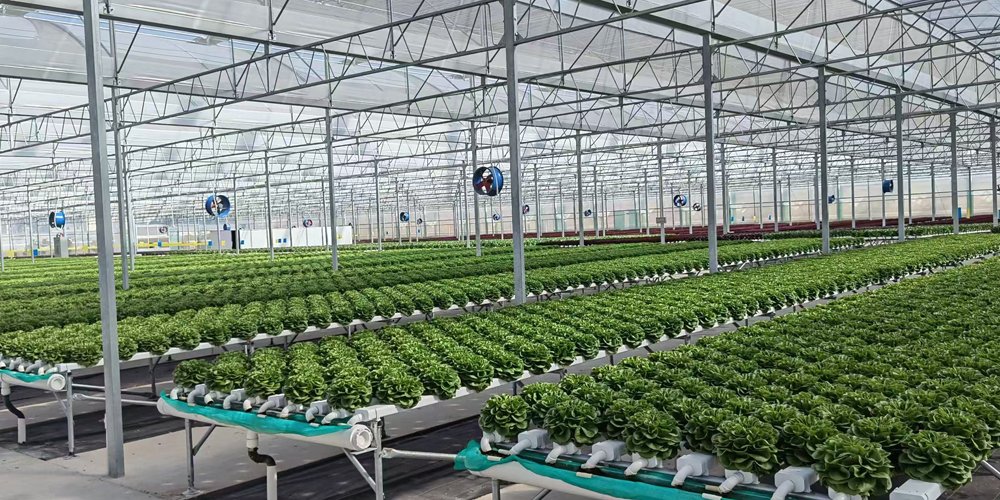
一、Greenhouse Fan: The Basic Equipment for Air Circulation
The greenhouse fan is the basic equipment for maintaining air movement inside the greenhouse. Stagnant air creates a boundary layer around the crop canopy, hindering CO₂ exchange and transpiration and leading to localized high temperature, high humidity, and disease outbreaks. Properly installed fans promote uniform air mixing and eliminate temperature and humidity dead zones.
When selecting a greenhouse fan, consider the following: airflow capacity should match the greenhouse volume, typically achieving a full air exchange every 5-10 minutes; choose between axial flow fans or circulation fans depending on the span and height of the greenhouse; installation position should ensure airflow reaches every corner, especially densely planted areas.
For small and medium-sized greenhouses, one well-placed fan can often solve most ventilation needs. Large multi-span greenhouses require multiple fans working together to form a directed airflow path.
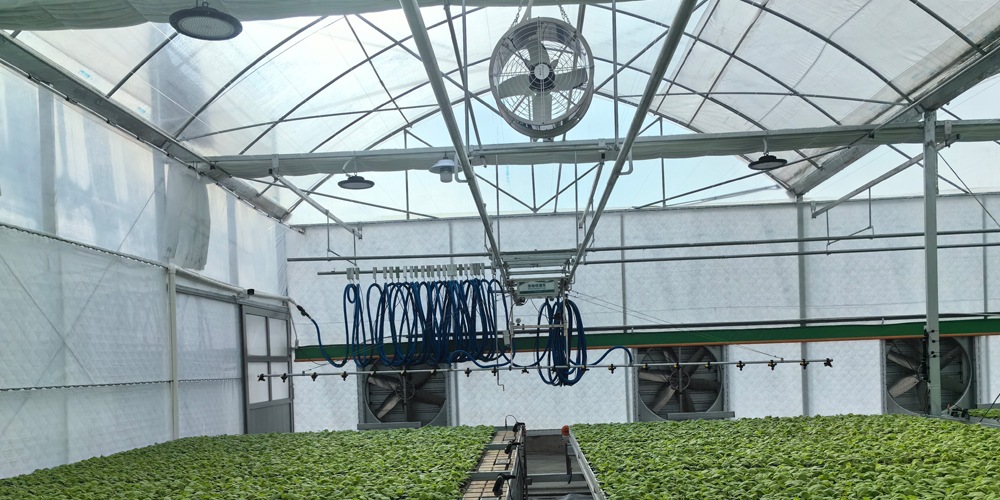
二、Greenhouse Exhaust Fan: The Main Force for Rapid Heat and Moisture Removal
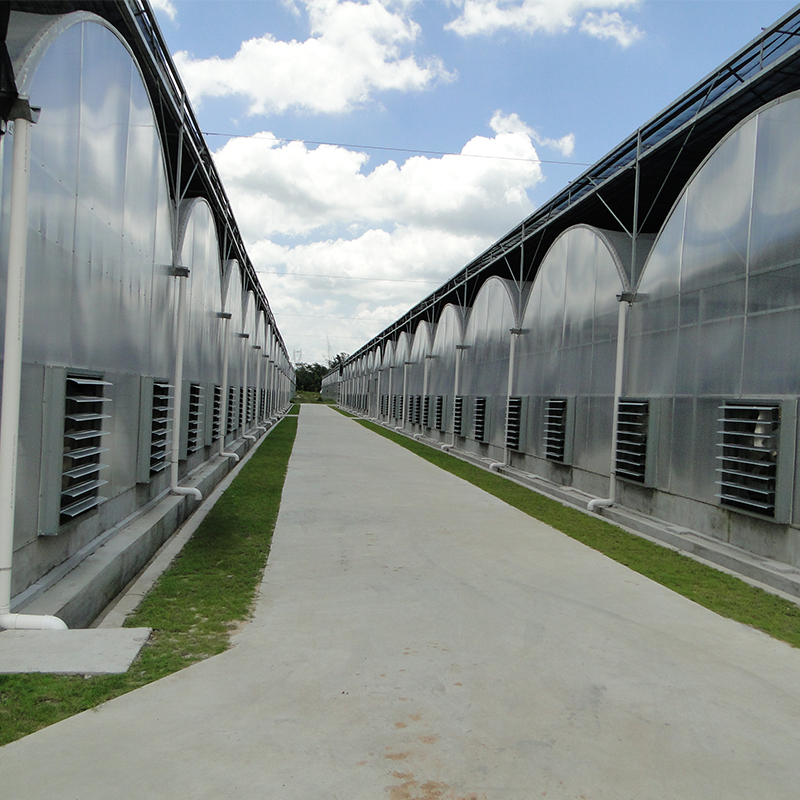
When outdoor temperatures are too high in summer, internal circulation alone is insufficient for cooling. This is where the greenhouse exhaust fan comes in, expelling hot indoor air while drawing in fresh, cool air through side vents or wet curtains. This negative-pressure ventilation approach is currently the most widely used greenhouse cooling method.
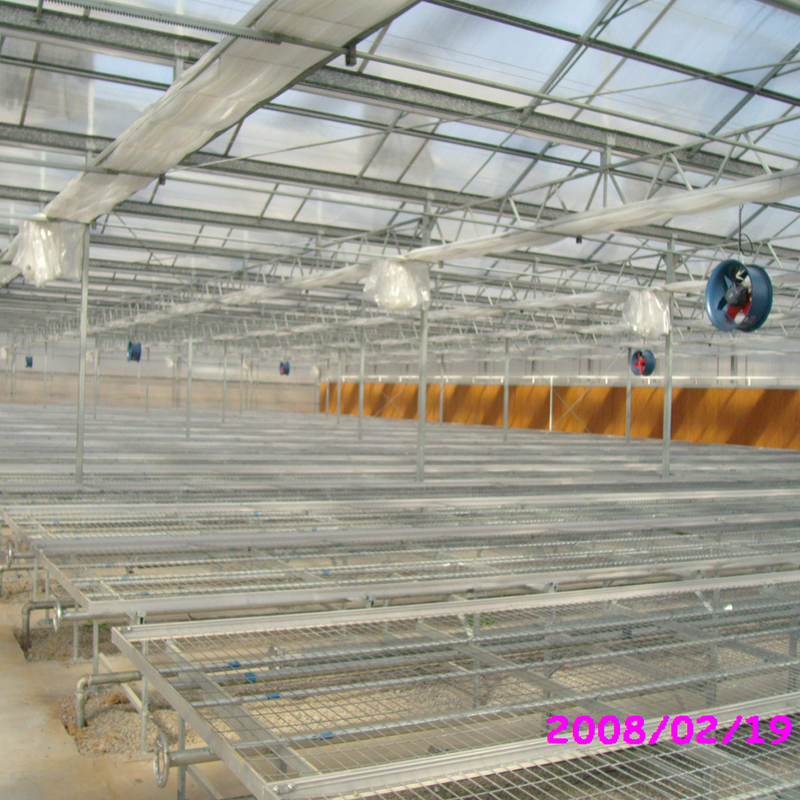
Greenhouse exhaust fans are typically installed on one gable wall, with wet curtains or air inlets on the opposite side wall. When the fan starts, negative pressure forms indoors, and outdoor air enters after being cooled through the wet curtain, flowing from one end to the other while carrying away heat and moisture. In hot climates, this combined wet curtain and ventilation system can lower indoor temperature by 5-8°C below outdoor levels.
When selecting exhaust fans, calculate the required airflow based on greenhouse area and local summer maximum temperatures, generally ensuring one air change per minute. Energy efficiency ratio, noise level, and corrosion resistance are also important considerations, as fans typically run continuously for months.
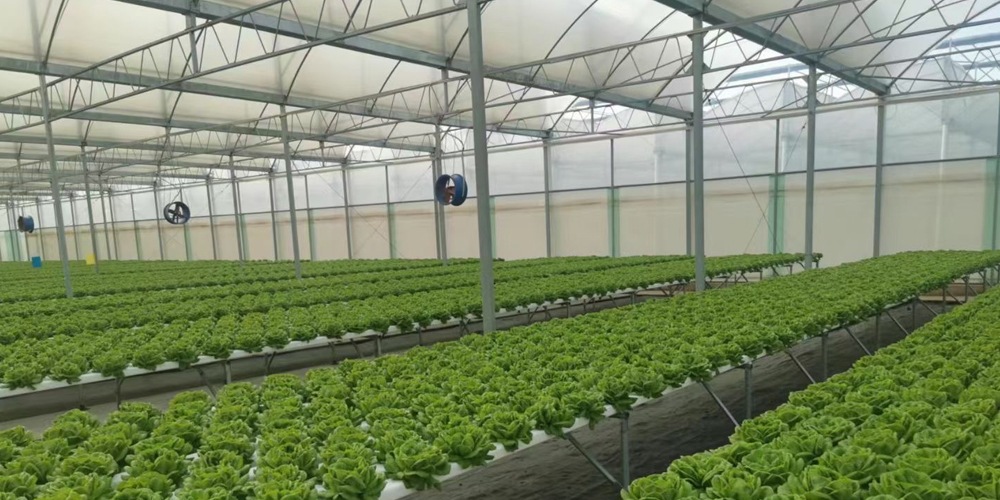
三、Greenhouse Circulation Fans: Eliminating Vertical Temperature Differences
Unlike exhaust fans responsible for "air exchange," greenhouse circulation fans handle internal air recirculation. In winter, hot air accumulates at the greenhouse roof, while the crop canopy level remains cooler, creating a significant vertical temperature difference. Installing circulation fans blows the hot air at the top down to ground level, making temperatures uniform from top to bottom.
Greenhouse circulation fans typically feature low-speed, high-volume designs suspended from ceiling trusses, with airflow directed horizontally and downward. They do not exhaust air outside but create circulating airflow indoors, working best in conjunction with heating systems or internal thermal screens.
For flowers such as phalaenopsis that require high temperature uniformity, circulation fans are almost essential equipment. Excessive temperature differences lead to uneven flowering and inconsistent plant growth, directly affecting market value.
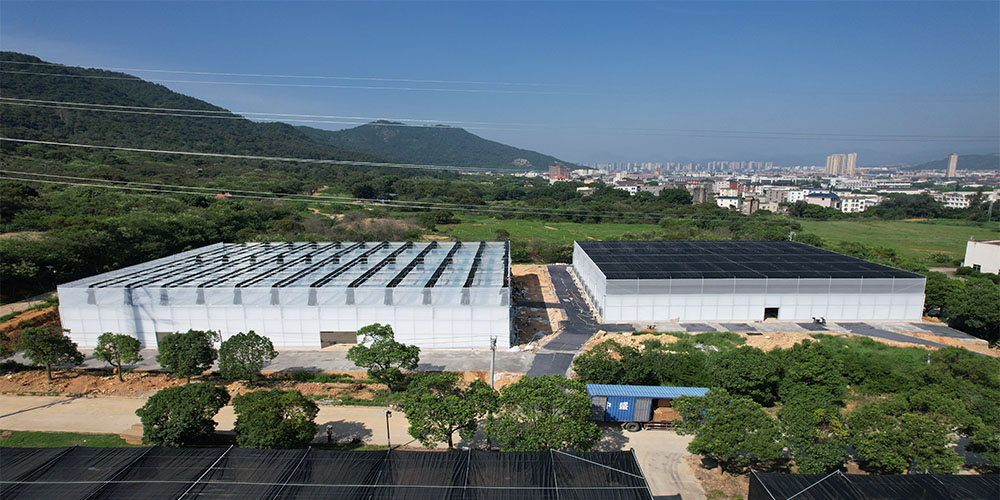
四、Greenhouse Ventilation Fan: Mechanical Assistance for Natural Ventilation
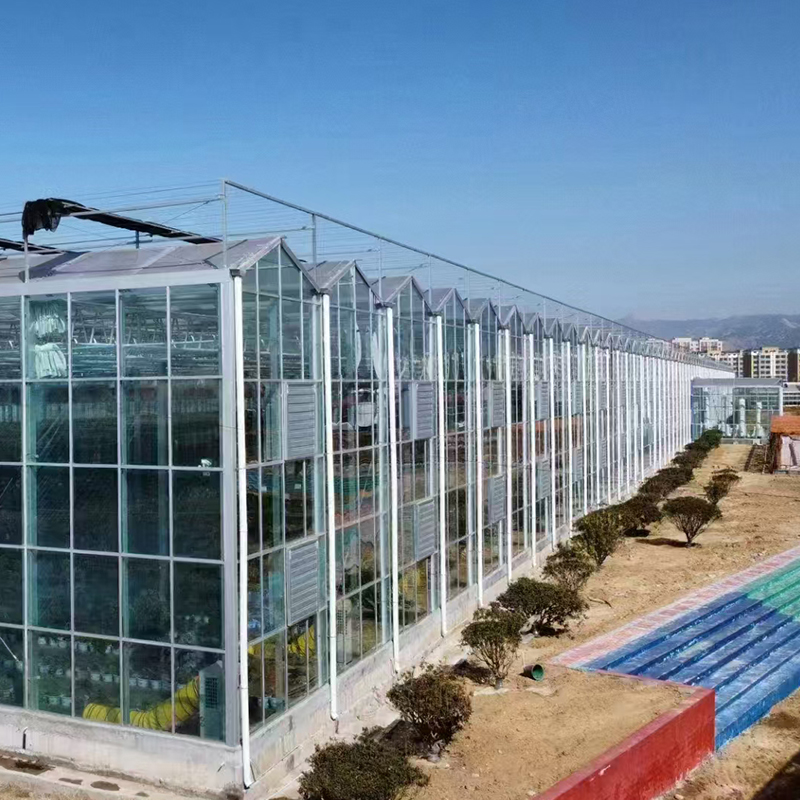
Many greenhouses are equipped with both natural ventilation (side vents + roof vents) and mechanical ventilation systems. The greenhouse ventilation fan serves as the main mechanical ventilation unit, activated when natural ventilation is insufficient.
During mild spring and autumn weather, opening side and roof vents relies on thermal buoyancy and wind pressure to achieve good ventilation. But during extreme summer heat or when precise humidity control is needed in winter, the ventilation fan comes into play. Modern intelligent control systems automatically decide whether to open vents or start fans based on indoor and outdoor temperature and humidity data, achieving the most energy-efficient ventilation strategy.
Variable-speed models are recommended, allowing airflow adjustment based on actual needs. Variable frequency drive not only saves energy but also prevents damage from frequent fan starts and stops.
五、Dehumidification Equipment: Solutions for High-Humidity Environments
During rainy seasons or winter closed conditions, relative humidity inside the greenhouse may exceed 85% for extended periods, a breeding ground for fungal diseases.
Ventilation alone is often insufficient for effective dehumidification, especially when outdoor humidity is already high. This is where professional dehumidification equipment is needed.
There are two main types of dehumidification equipment: cooling dehumidification and desiccant rotor dehumidification. Cooling dehumidification works like an air conditioner, condensing moisture out of the air, suitable for scenarios that also require cooling. Desiccant rotors absorb moisture through hygroscopic materials and regenerate with hot air, suitable for winter scenarios where only dehumidification is needed without cooling.
When selecting equipment, calculate dehumidification capacity based on greenhouse area, target humidity, and local climate. Generally, maintaining relative humidity between 60%-75% is recommended, a range where most crops thrive with minimal disease risk.
六、Our Services
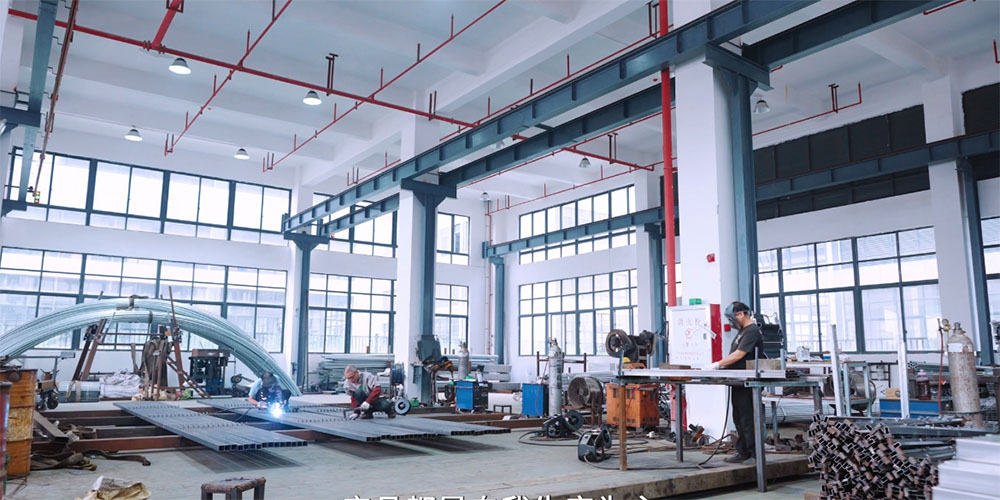
As a professional greenhouse construction enterprise, we have designed and installed various ventilation and dehumidification systems for clients in multiple countries worldwide. Whether you are building a new phalaenopsis cultivation greenhouse, hydroponic leafy vegetable greenhouse, or tomato and vegetable greenhouse, we can provide the most suitable equipment configuration based on your local climate and crop requirements.
Ventilation and dehumidification are indispensable aspects of greenhouse environmental management. Properly configuring greenhouse fans, exhaust fans, circulation fans, and dehumidification equipment creates a stable and healthy growing environment for crops. For more information on equipment selection and system design, please feel free to contact us.
