
Plastic Greenhouse: A Cost-Effective Choice for Modern Agricultural Facilities
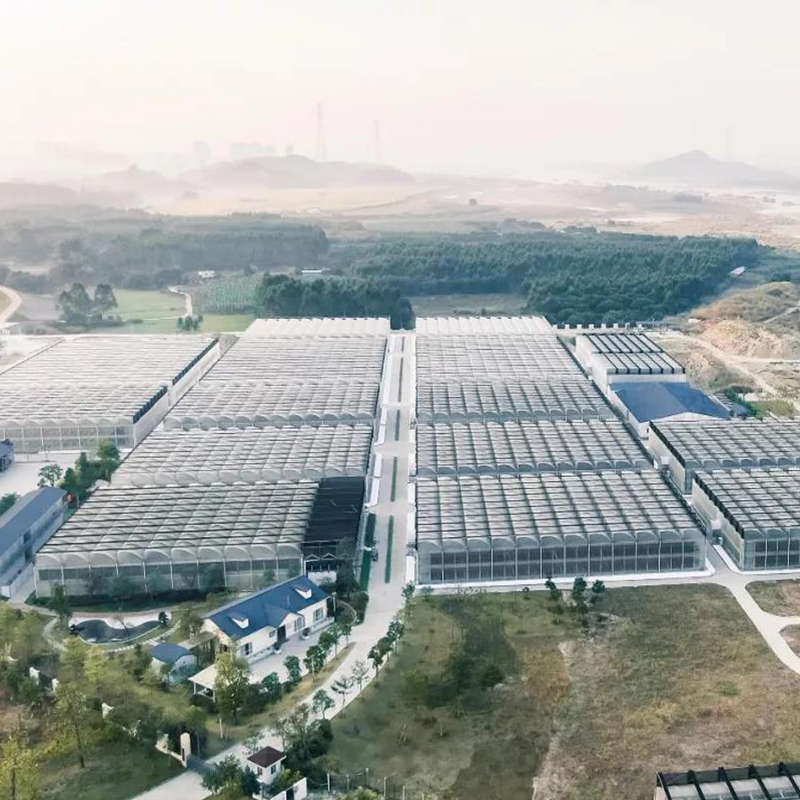
As protected agriculture flourishes worldwide, growers face a variety of greenhouse type options. For commercial growers pursuing return on investment efficiency, the plastic greenhouse has become one of the most widely used types of protected agriculture globally, thanks to its low construction cost, short building period, and strong adaptability. This article explores its technical characteristics, environmental control solutions, and how to select a reliable partner.
1、Types and Characteristics
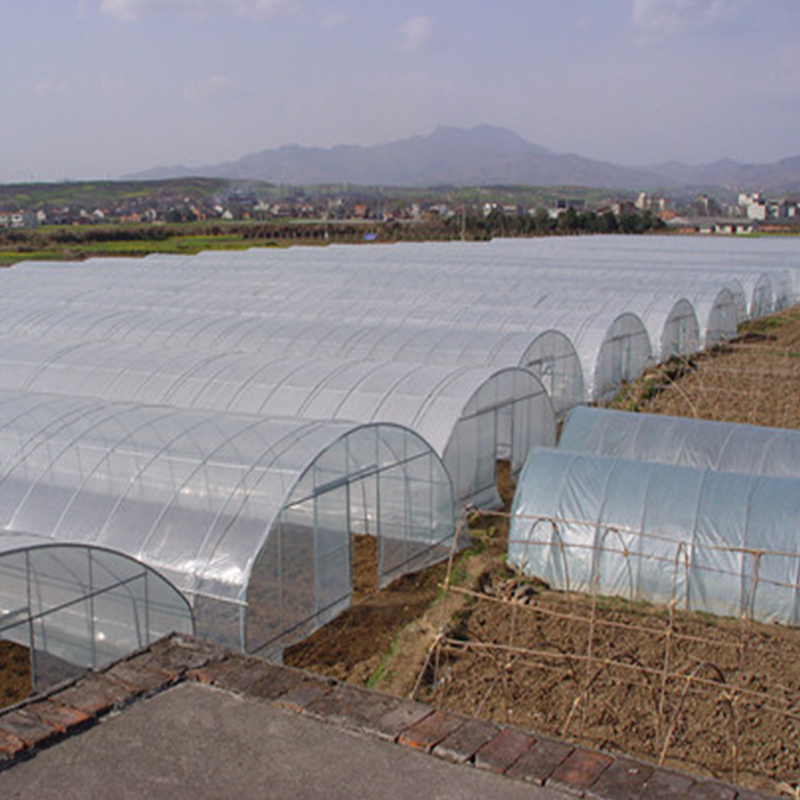
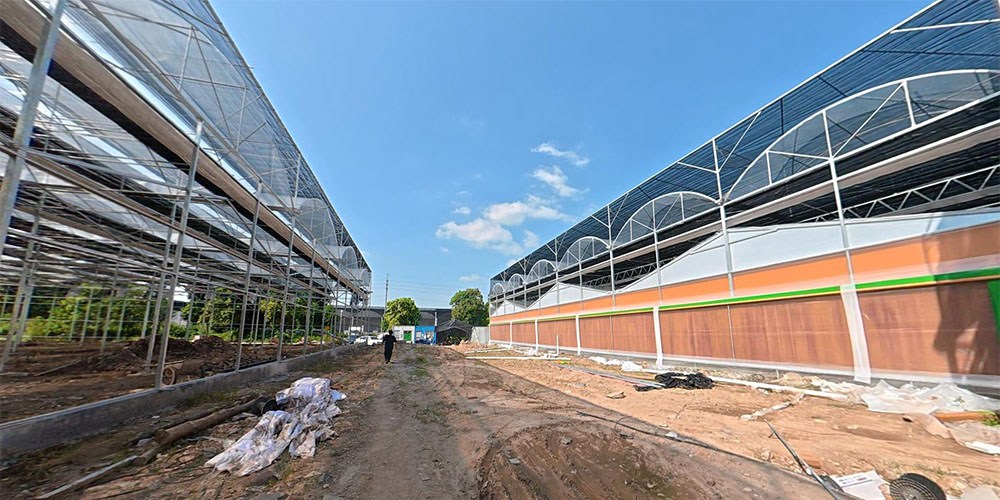
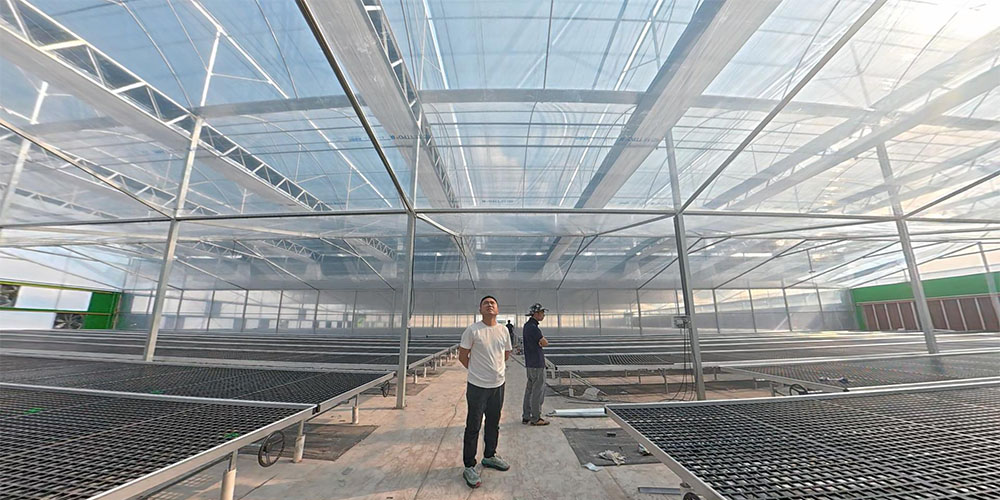
A plastic greenhouse is a facility covered with plastic film or polycarbonate sheets. Depending on the structural form, it is mainly divided into arch tunnel type, sawtooth type, gable type, and others. Among them, the arch tunnel type is most widely used in vegetable cultivation, flower breeding, and seedling raising due to its simple structure, low cost, and high space utilization.
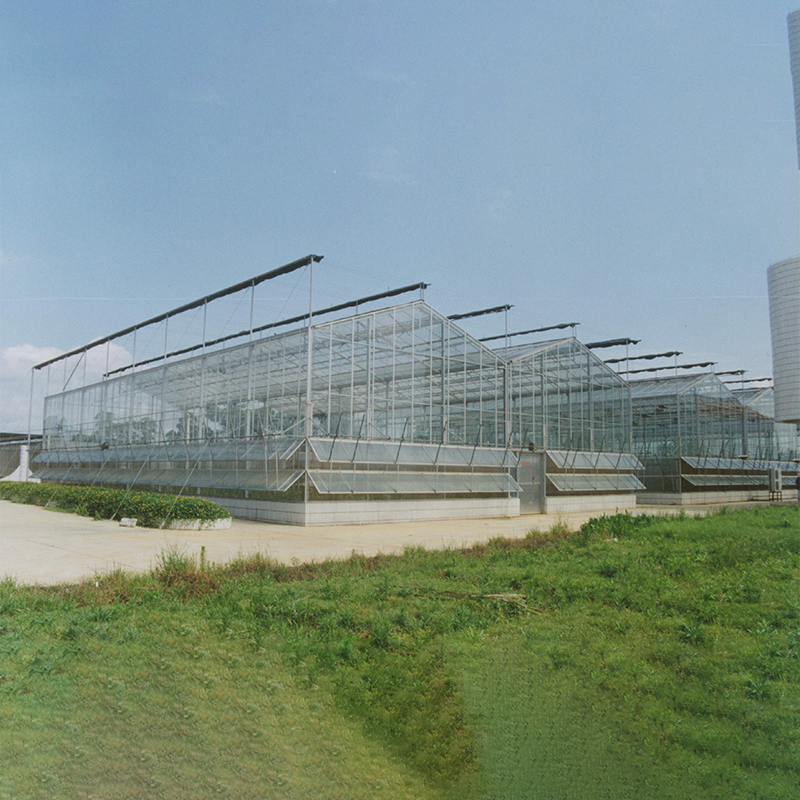
Compared with traditional glass greenhouses, the plastic greenhouse has a significant cost advantage, with unit area construction cost usually only 30%-50% of that of glass greenhouses. Modern plastic films already offer good light transmission, thermal insulation, and anti-aging properties, with high-quality films having a service life of 3-5 years, fully meeting commercial production needs.
For growers with limited budgets but who want large-scale production, selecting professional polytunnel suppliers is crucial. Quality suppliers can not only provide reliable materials but also offer reasonable structural design recommendations based on local climate and planting needs, ensuring the safety of the greenhouse under extreme weather conditions.
2、Polycarbonate Greenhouse: An Upgrade Option
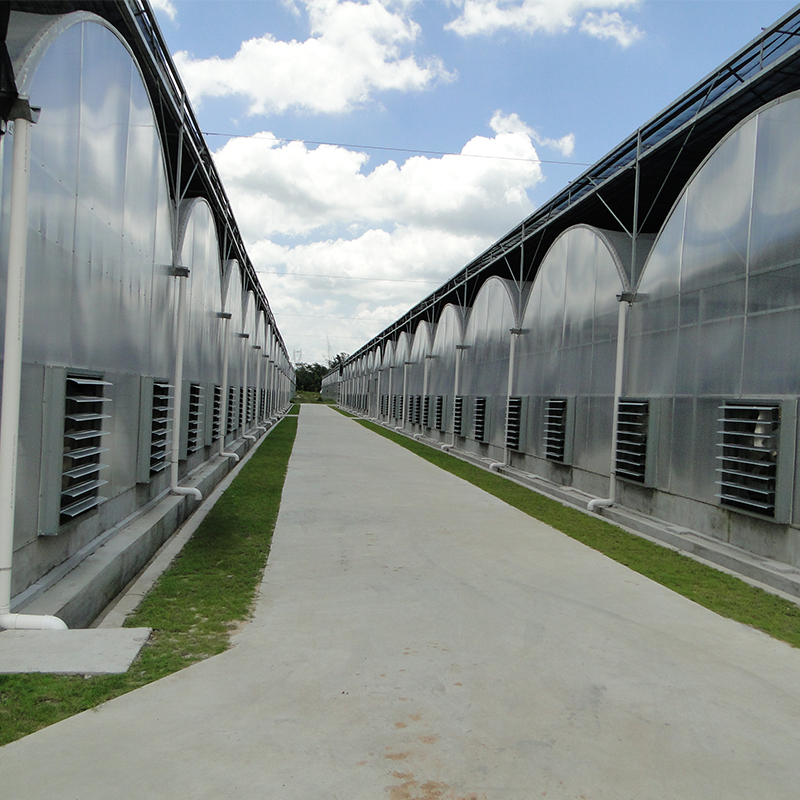
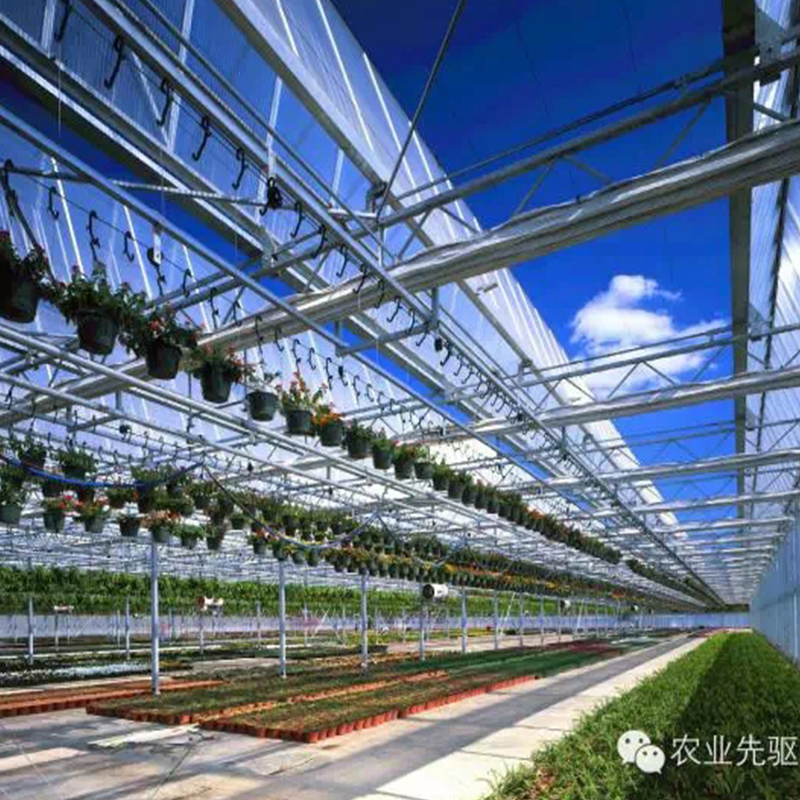
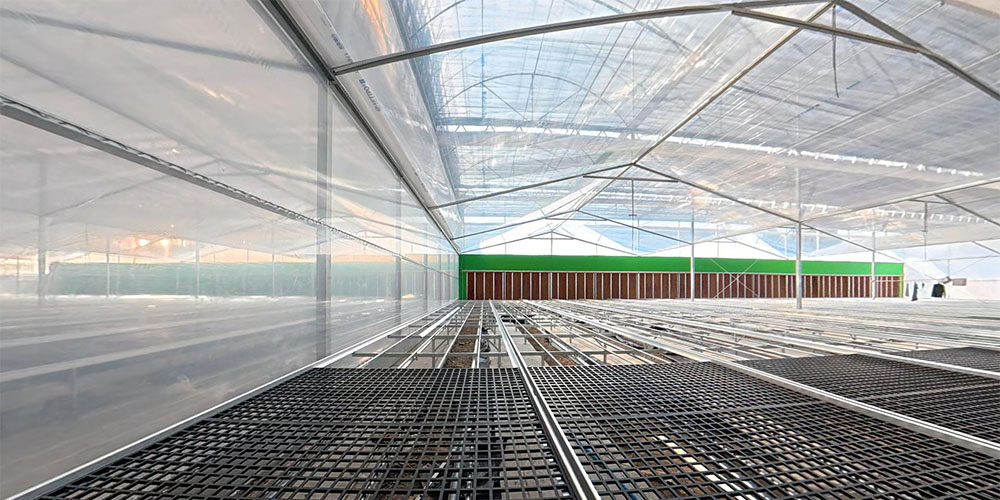
If you seek a better balance between cost and performance, the polycarbonate greenhouse is a worthwhile upgrade option. Polycarbonate sheets combine the high light transmission of glass with the lightweight and impact resistance of plastic, offering better thermal insulation than single-layer film and a service life of 10-15 years.
This type is particularly suitable for scenarios with high environmental stability requirements, such as high-end flower production, seedling breeding, and scientific research experiments. The double-layer hollow structure of PC sheets can effectively reduce heat loss and lower winter heating costs, while its impact resistance can also withstand natural disasters such as hailstorms.
Although the initial investment of a polycarbonate greenhouse is higher than that of an ordinary film greenhouse, its longer service life and lower operating costs give it higher cost-effectiveness over the full life cycle. For commercial projects planned for long-term operation, this choice is often wiser.
3、Greenhouse Heating and Ventilation Systems: The Core of Environmental Control
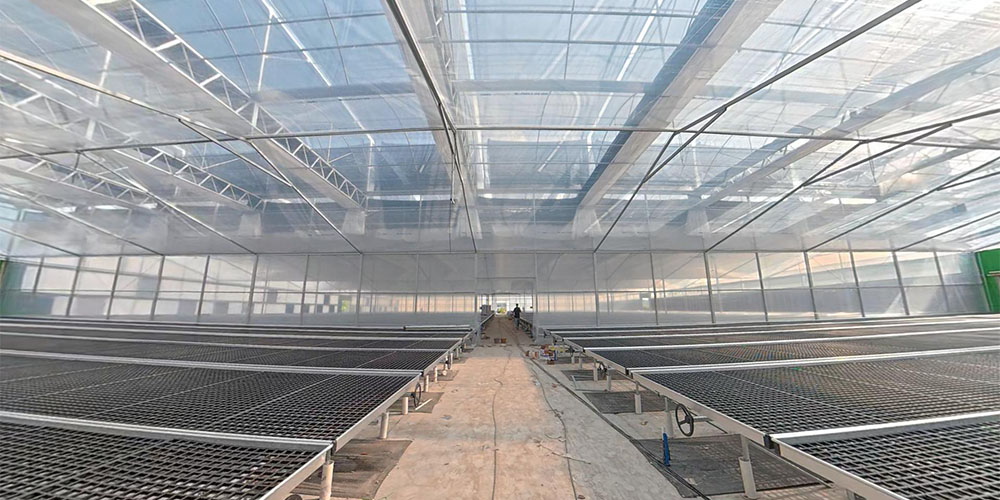
Regardless of which type of greenhouse you choose, the environmental control system is key to determining planting success. Among them, greenhouse heating and ventilation systems are the very core, directly affecting crop growth rate, yield, and quality.
The heating system maintains indoor temperature in cold seasons, ensuring crops are not damaged by frost. Common methods include hot water pipe heating, hot air furnace heating, and radiant heating. When selecting, comprehensive consideration of energy prices, greenhouse scale, and crop needs is required.
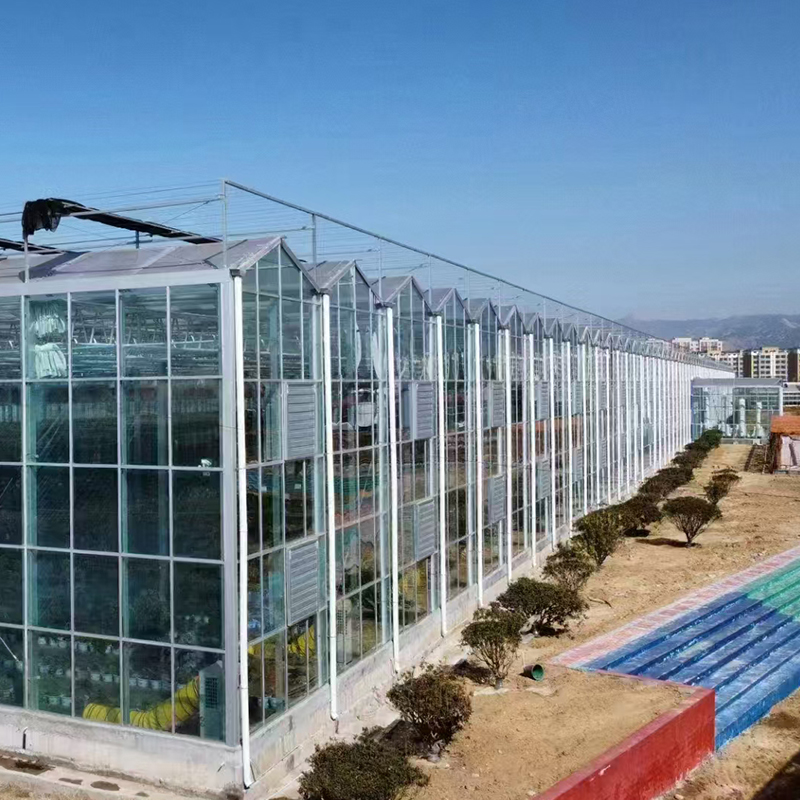
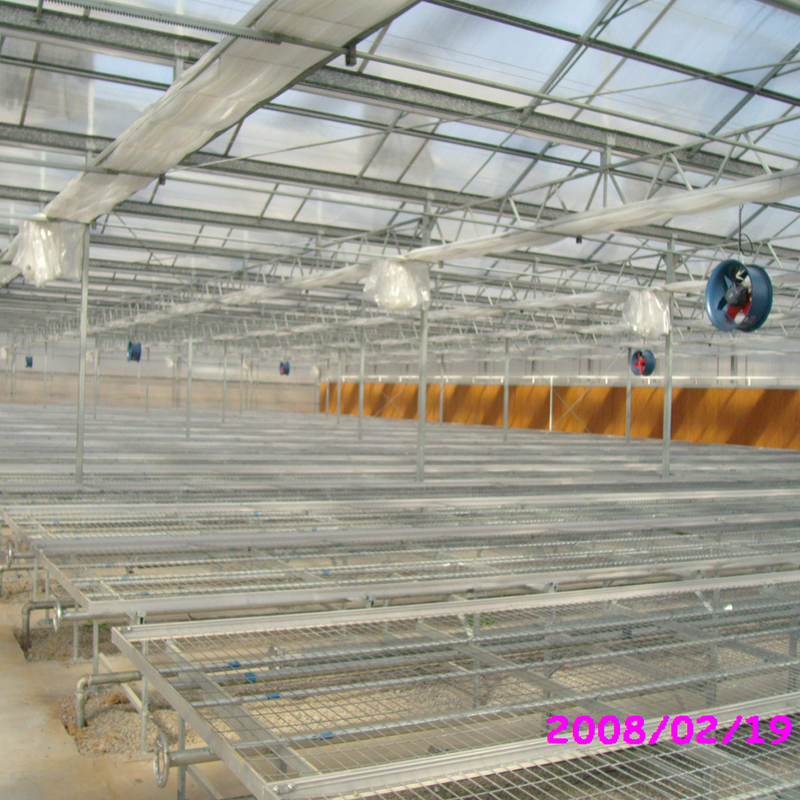
The ventilation system is responsible for exhausting excess heat and moisture and replenishing fresh air. Natural ventilation is achieved through opening side and roof windows, with low cost; mechanical ventilation achieves forced cooling through the cooperation of fans and wet curtains, suitable for high-temperature and high-humidity regions.
Professional greenhouse heating and ventilation systems should be precisely calculated based on local climate data, structural parameters, and crop needs, ensuring sufficient capacity and efficient operation.
4、Greenhouse Sunshade: Essential Protection for Summer Production
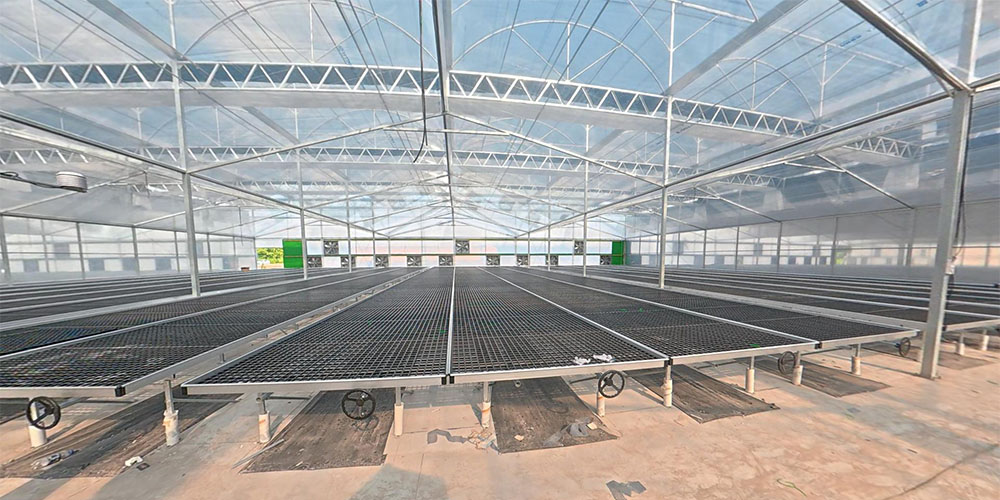
Under high-temperature and strong-light conditions in summer, a greenhouse sunshade is an essential measure to protect crops and maintain normal production. Excessive light and high temperature can cause problems such as excessive crop transpiration, leaf scorch, and poor flower bud differentiation, seriously affecting yield and quality.
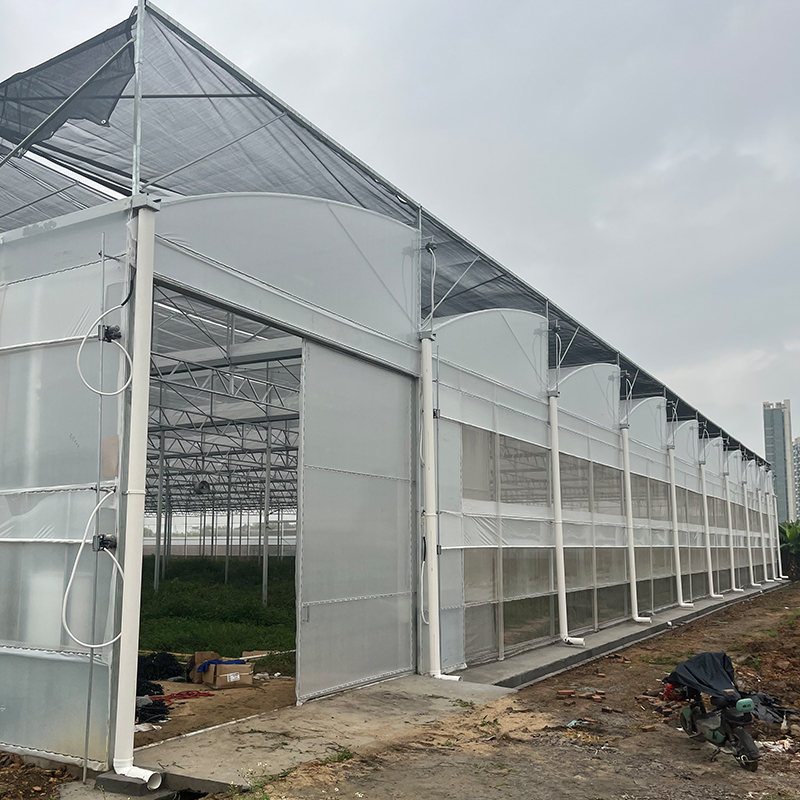
Shading systems are mainly divided into external shading and internal shading types. External shading is installed on the outside of the roof, directly blocking sunlight from entering, with a significant cooling effect, usually reducing indoor temperature by 5-10°C. Internal shading is installed inside, and in addition to shading and cooling, it can also provide thermal insulation at night.
Modern shading systems generally use electric control, which can automatically adjust the opening and closing degree according to light intensity and temperature. When selecting shading nets, an appropriate shading rate should be determined based on crop light requirements and local radiation intensity, with a common range of 30%-70%.
5、How to Select the Right Construction Partner
Selecting the right construction partner is the first step to project success. When evaluating, it is recommended to pay attention to:
Professional experience and cases. Understand whether the supplier has successful experience in similar projects, especially cases in your climate region.
Material quality and craftsmanship. The quality of structural materials, covering materials, and supporting equipment directly determines the service life and operating effect of the greenhouse—don't just look at price.
Design capability and customized service. Excellent suppliers should provide tailored solutions based on crop type, site conditions, and budget scale.
After-sales service and technical support. Reliable suppliers should provide comprehensive installation guidance, operation training, and after-sales technical support.
As a professional greenhouse construction enterprise, we have delivered various projects for clients in multiple countries worldwide, including phalaenopsis cultivation greenhouses, hydroponic leafy vegetable greenhouses, and tomato and vegetable greenhouses. We always take customer needs as our guide and provide full-process services from design and construction to operational support.
The plastic greenhouse has become the mainstream choice for global protected agriculture with its high cost-effectiveness and wide adaptability. Combined with professional environmental control systems and scientific operation management, it can fully achieve high-yield, high-quality, and efficient agricultural production. If you are looking for professional polytunnel suppliers, or wish to learn more about polycarbonate greenhouses and environmental control systems, please feel free to contact us at any time.
