


Ground Source Heat Pumps: An Innovative Energy-Saving Heating Solution for Vegetable and Fruit Greenhouses in Cold Regions
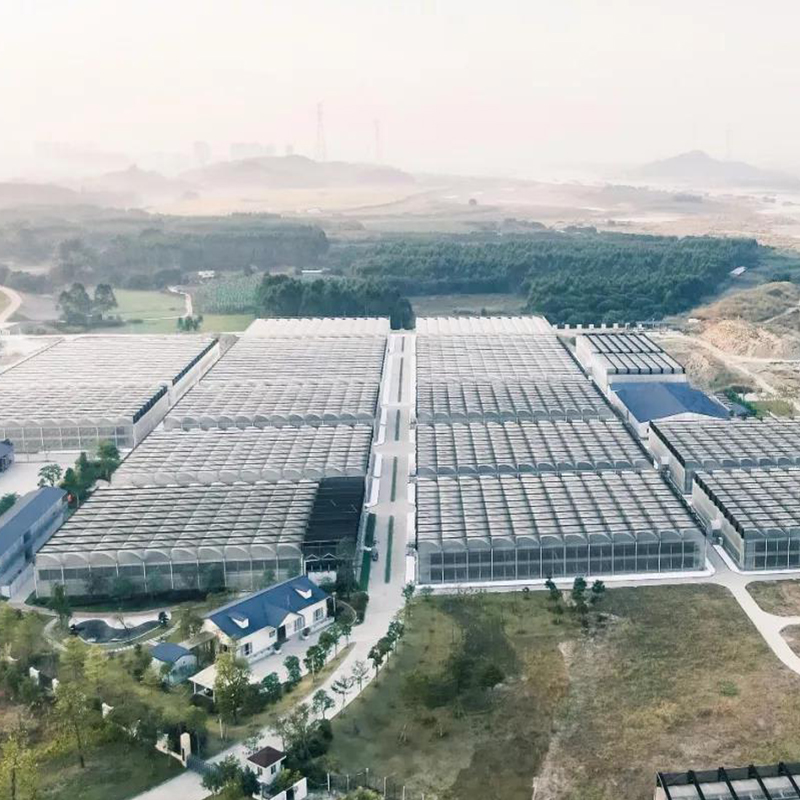
Developing modern agriculture in cold regions poses significant heating challenges for vegetable and fruit greenhouses. Traditional heating methods are characterized by high energy consumption and operational costs, which severely constrain the economic viability of greenhouse cultivation. The introduction of ground source heat pump (GSHP) technology offers an efficient and environmentally friendly energy-saving solution to this problem, demonstrating unique advantages, particularly when integrated with various greenhouse structures and planting models.
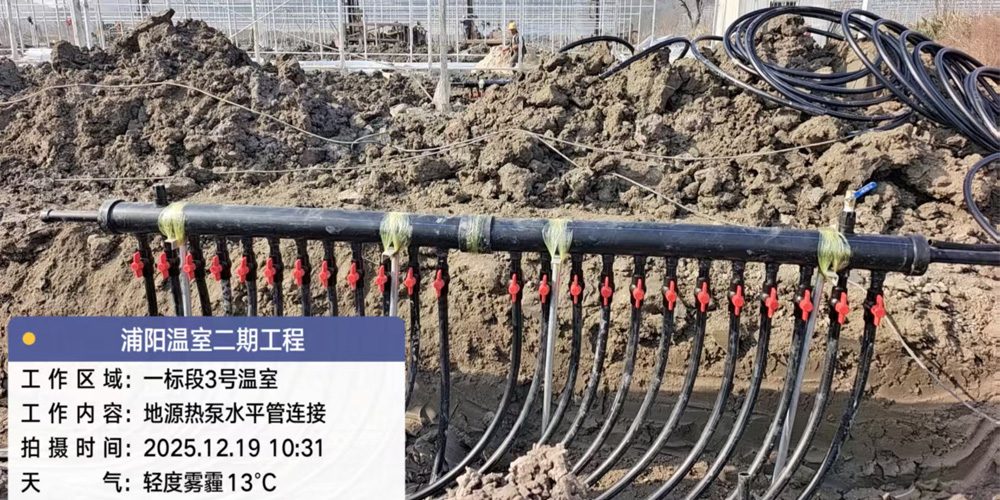
I. Innovative Integration of Ground Source Heat Pumps and Greenhouse Heating
Ground source heat pumps utilize the relatively stable temperature resources underground to provide heating for greenhouses through a heat exchange system. In winter, even when surface temperatures drop below freezing, the soil temperature several meters underground remains between 5-10°C. The GSHP system can extract this heat, elevate its temperature via a compressor, and distribute it within the greenhouse. Compared to traditional coal or gas heating, GSHPs can save 30%-50% of energy and produce almost no direct emissions, significantly reducing the environmental footprint of vegetable and fruit greenhouses.
II. Application of Ground Source Heat Pumps in Different Greenhouse Structures
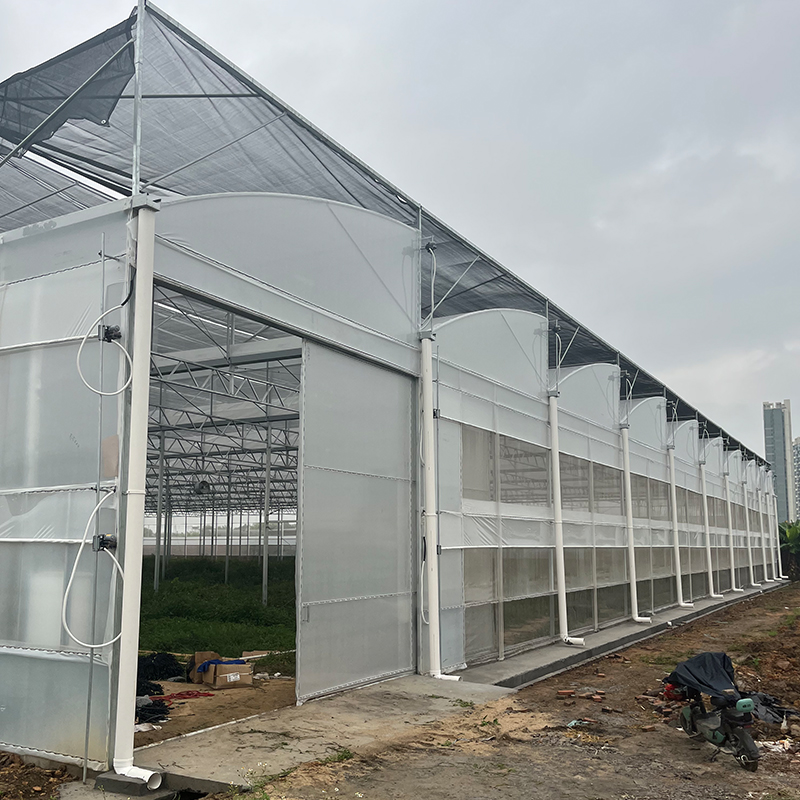
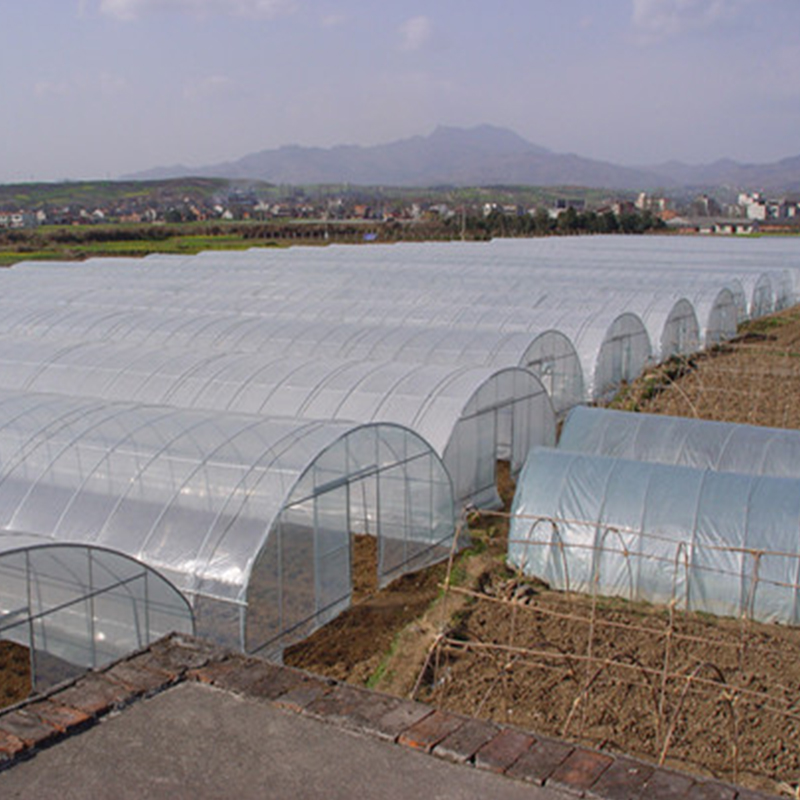
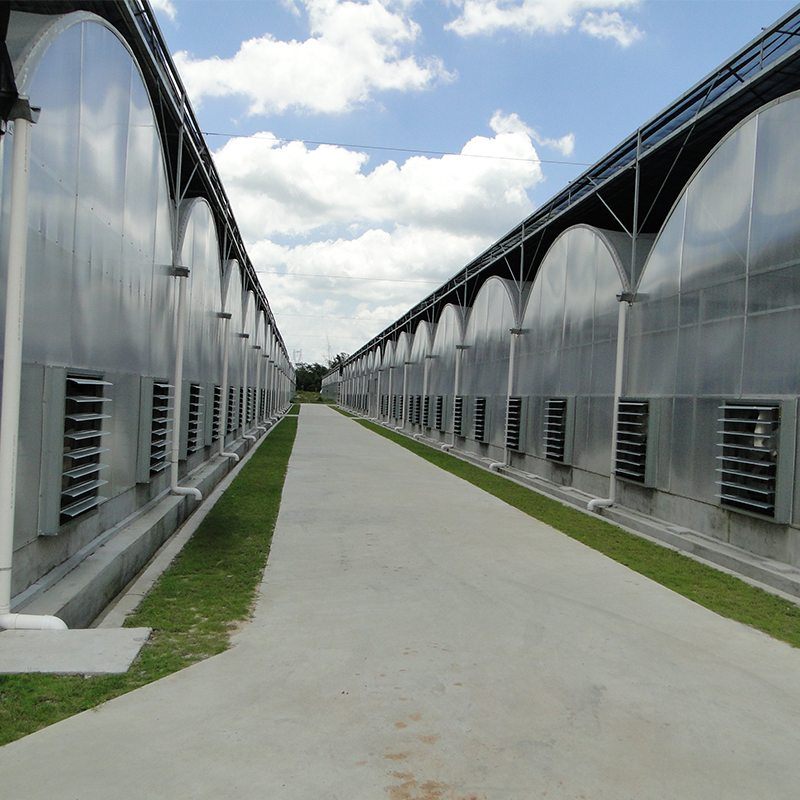
The plastic polytunnel greenhouse, a common simple protective structure in cold regions, has relatively weak insulation, leading to low traditional heating efficiency. Integrating a GSHP system with a plastic polytunnel greenhouse, by connecting the underground piping system to air distribution units inside, enables uniform heating. Specially designed pipeline layouts can compensate for the insufficient thermal resistance of plastic coverings, reducing temperature fluctuations inside the greenhouse by over 40% and creating a stable environment for vegetable and fruit growth.
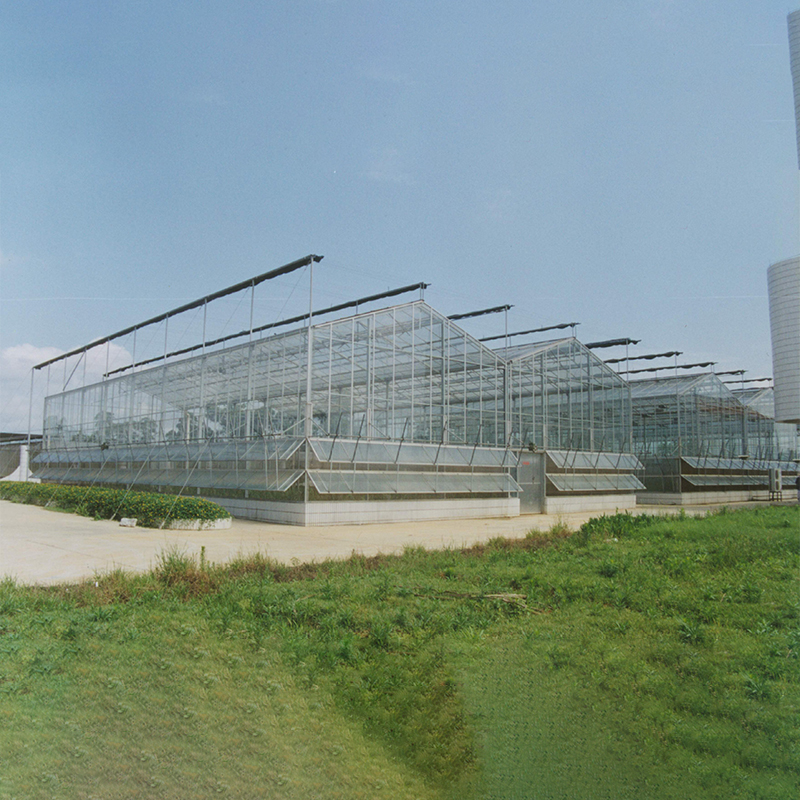
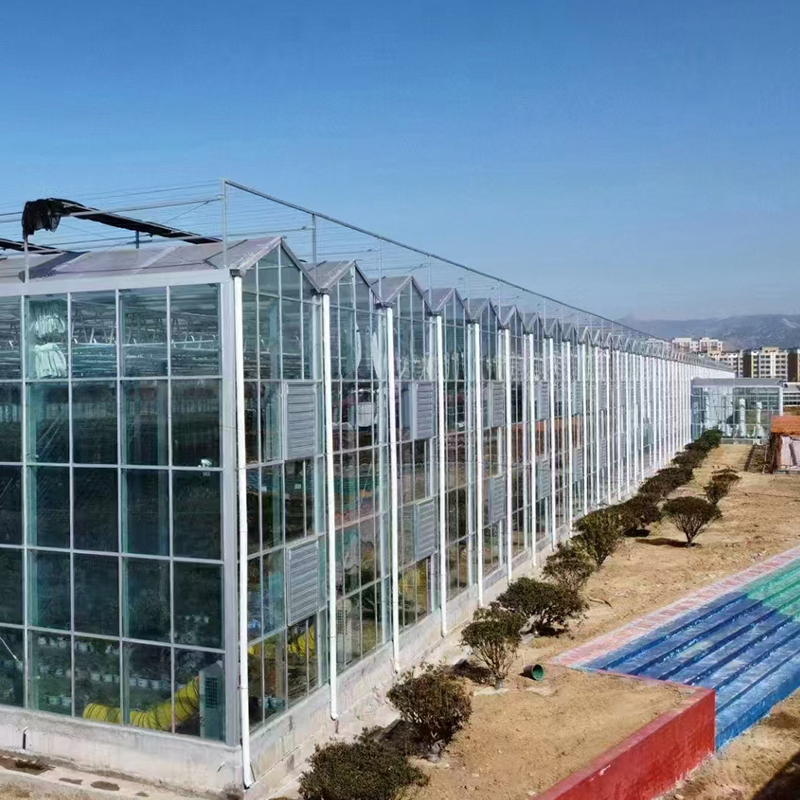
Compared to plastic polytunnels, glass greenhouses offer better sealing and light transmittance but still face significant heat loss in winter. The integration of GSHP systems with glass greenhouses is more refined, typically combining underfloor radiant heating with vertical air circulation. Geothermal pipes are embedded in the greenhouse floor, radiating heat upwards, while the heat pump system provides warm air circulation, creating a three-dimensional temperature field. This configuration can reduce the winter energy consumption of glass greenhouses by 45%-60%, significantly enhancing vegetable and fruit production capacity in cold regions during winter and spring.
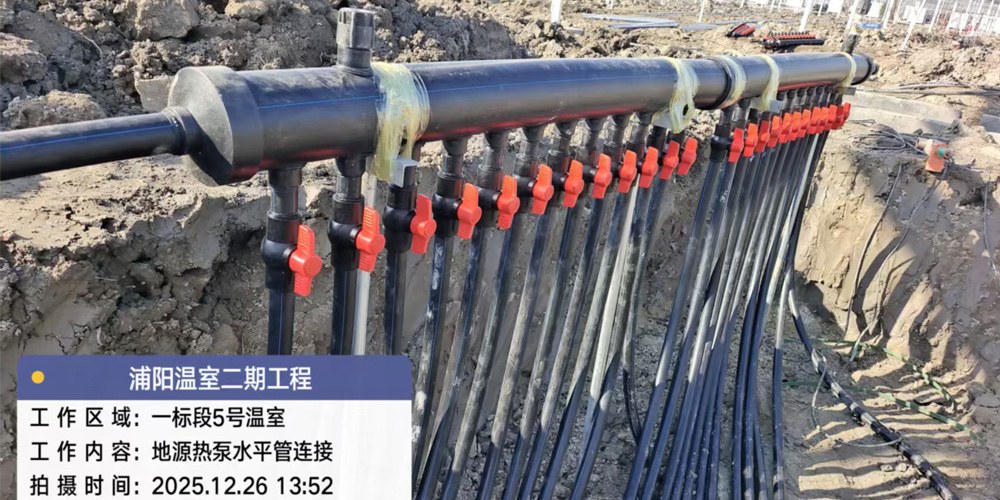
III. Energy Efficiency Optimization in Soilless Planting Models
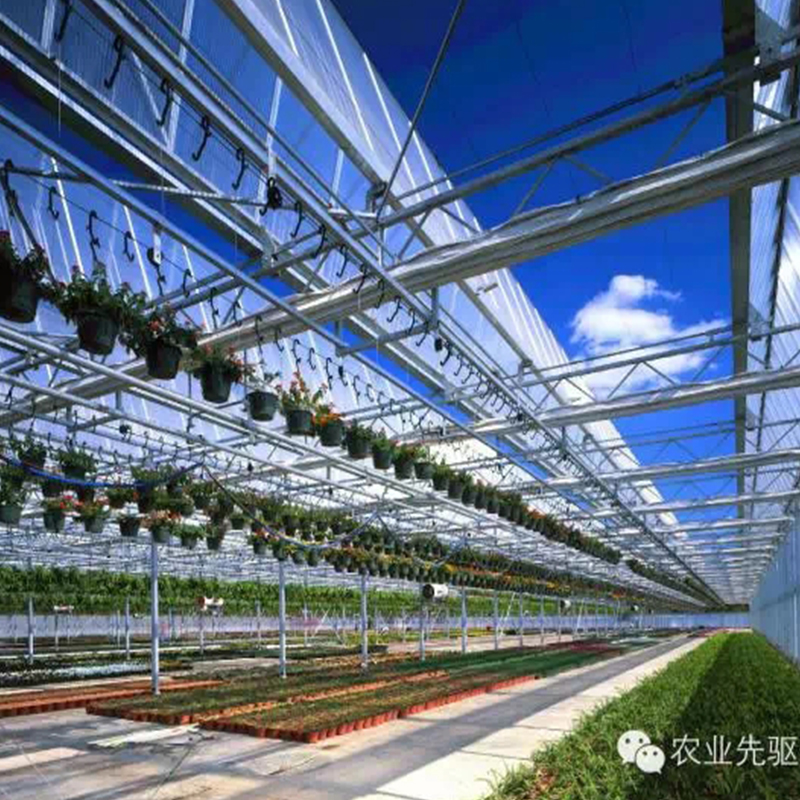
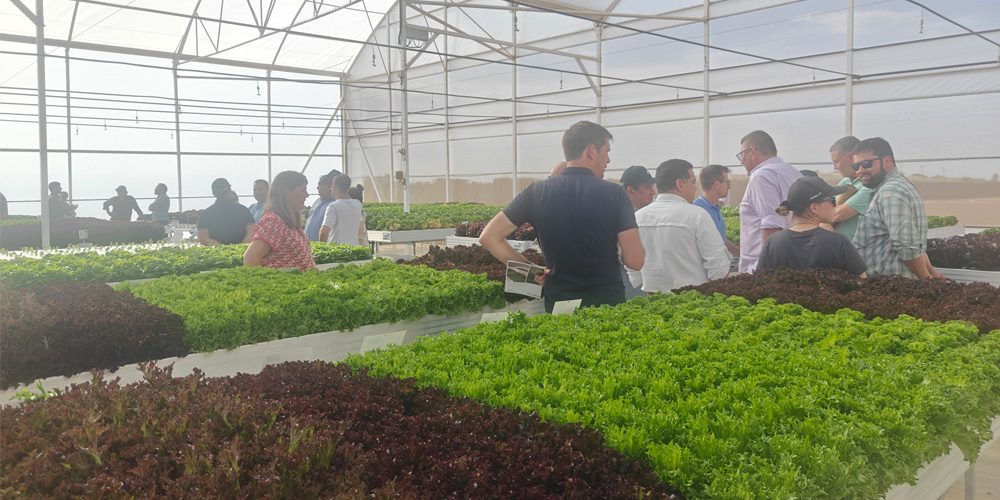
Modern vegetable and fruit greenhouses increasingly adopt soilless planting technology, which naturally synergizes with GSHP systems for energy saving. Soilless planting typically uses nutrient solution circulation systems, and the waste heat from GSHPs can effectively regulate the temperature of the nutrient solution, promoting root development. Research indicates that maintaining the nutrient solution temperature between 18-22°C can shorten the growth cycle of vegetables and fruits like tomatoes and cucumbers by 15%-20% and increase yield by 10%-15%.
In soilless planting greenhouses, the GSHP system can also achieve "multi-purpose" operation: providing heating in winter, cooling in summer, and maintaining a constant temperature environment for the nutrient solution year-round. This integrated design increases energy utilization efficiency to 2-3 times that of traditional systems, making it particularly suitable for producing high-value, temperature-sensitive vegetables and fruits.
IV. System Integration and Intelligent Control
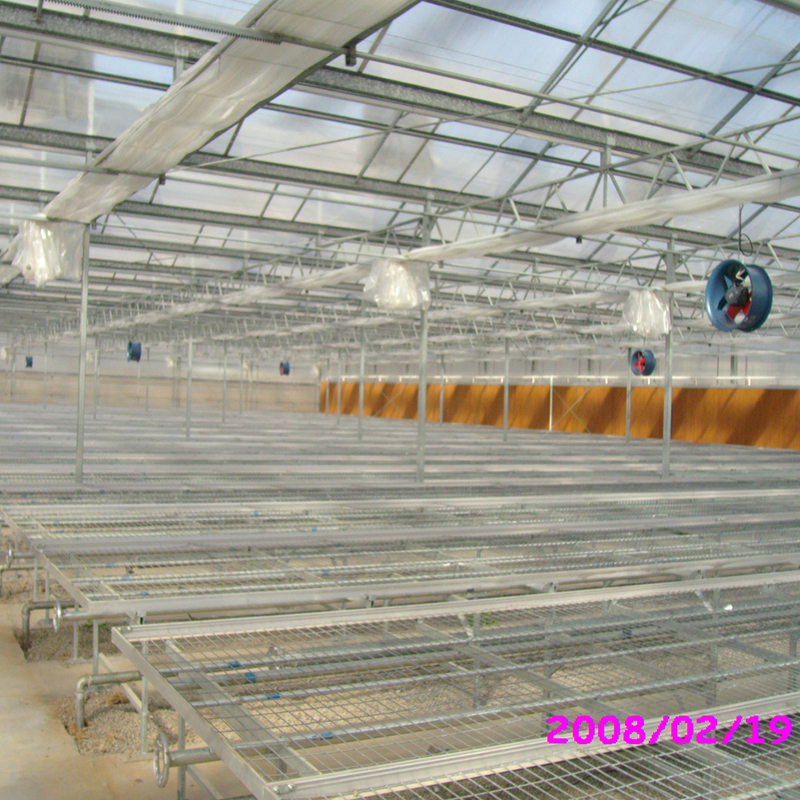
Advanced vegetable and fruit greenhouses have deeply integrated GSHP systems with Internet of Things (IoT) technology. Sensor networks monitor real-time temperature data from underground heat exchangers, greenhouse air, planting substrates, and nutrient solutions. Intelligent control systems dynamically adjust heat pump operating parameters based on crop growth stages and external climate conditions. This precise temperature control method can further reduce energy consumption in plastic polytunnel and glass greenhouses by 10%-15%, while improving the consistency of produce quality.
In soilless planting environments, the intelligent system can also coordinate heat pump operation with nutrient solution circulation, automatically adjusting heat exchange intensity based on root zone temperature to create an optimal microclimate for different vegetable and fruit varieties. This refined energy management fully unleashes the energy-saving potential of GSHPs in soilless planting greenhouses.
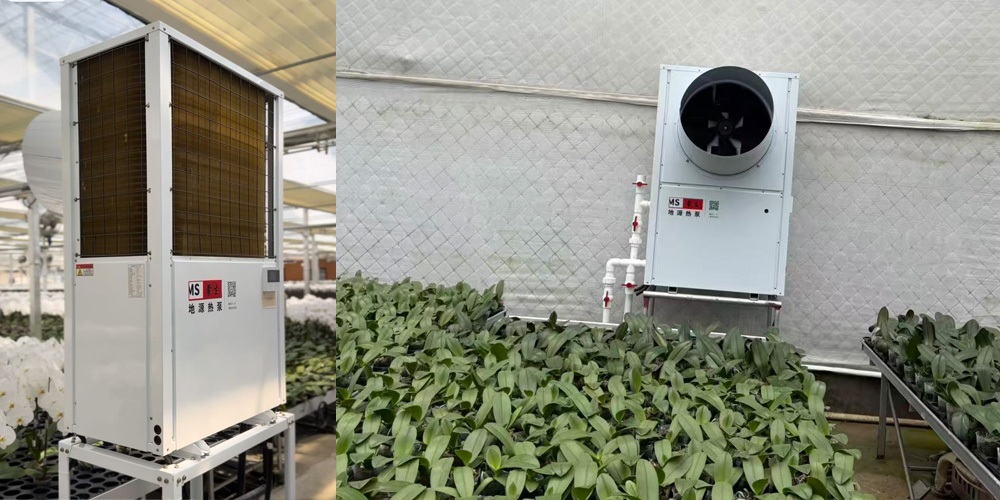
V. Economic Benefits and Environmental Value
Practical data shows that for vegetable and fruit greenhouses in cold regions using GSHPs for heating, although the initial investment is 30%-40% higher than traditional heating systems, operational costs can be reduced by 50%-60%, with a typical investment payback period of 3-5 years. For large-scale glass greenhouses combining soilless planting technology and GSHP systems, annual energy costs can be reduced by over 70%, demonstrating significant economic benefits.
From an environmental perspective, GSHP-driven vegetable and fruit greenhouses produce almost no direct carbon emissions. Each hectare of greenhouse can reduce coal consumption by 100-150 tons annually, corresponding to a reduction of 250-400 tons of CO2 emissions. This clean heating method enables both plastic polytunnel and glass greenhouses to achieve sustainable development, making it especially suitable for ecologically sensitive areas.
The integration of ground source heat pump technology with modern greenhouse agriculture provides a reliable energy-saving solution for vegetable and fruit production in cold regions. Whether in lower-cost plastic polytunnel greenhouses or in precisely controlled glass greenhouses; whether using traditional soil cultivation or advanced soilless planting models, GSHPs can significantly enhance energy efficiency and reduce production costs. As the technology continues to mature and costs decline, this clean heating method will see wider adoption in vegetable and fruit greenhouses, injecting new momentum into the sustainable development of agriculture in cold regions.
