


Plant Factories: Disrupting Tradition, A Beacon of Hope for Future Food
As the global population approaches 8 billion and even 9 billion, extreme weather events such as typhoons, droughts, and smog are becoming increasingly frequent due to climate change, while traditional arable land resources are growing scarce. Ensuring that everyone on Earth has access to sufficient and safe food under such harsh conditions has become a major challenge for humanity. Against this backdrop, a highly efficient and controllable agricultural production model that is completely independent of natural conditions—the plant factory—is moving from science fiction to reality. Regarded as the "golden key" to solving future food security issues, it carries the hope of a new agricultural era.
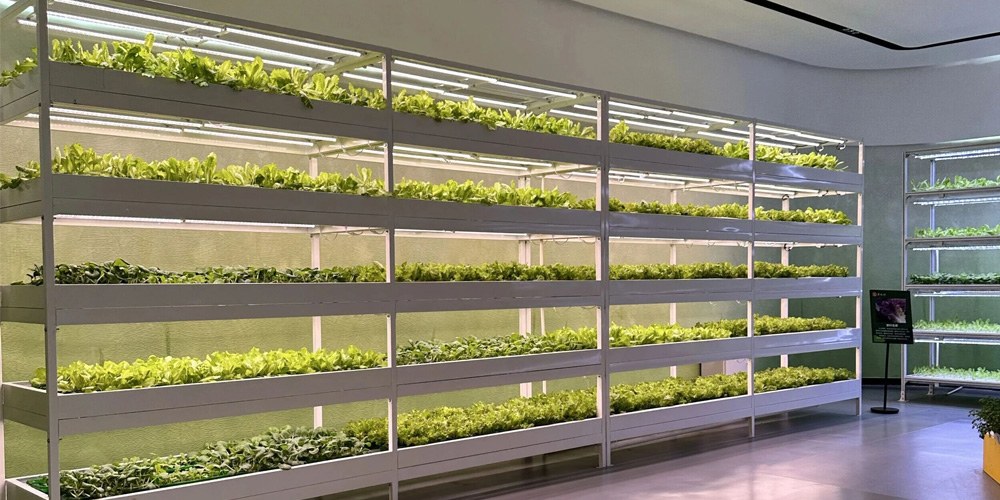
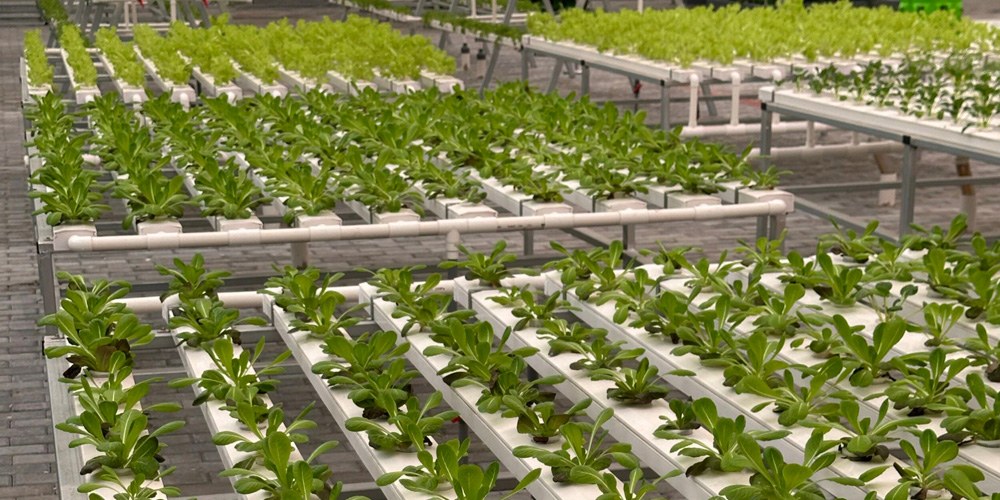
At the core of plant factories lies sophisticated facilities and environmental control technologies, which create a "comfortable" closed-loop growth space for crops. It completely subverts the traditional belief that "all growth depends on the sun". Stepping into a modern plant factory, you will see no soil or vast open farmland. Instead, there are rows of neatly arranged multi-layer cultivation racks, on which fresh lettuce, spinach and other leafy greens thrive. These crops do not take root in soil; instead, they adopt advanced hydroponics, with their roots directly immersed in a solution rich in various nutrients. This soilless planting method not only avoids continuous cropping obstacles and heavy metal pollution in soil, but also maximizes crop growth by precisely regulating the composition and concentration of the nutrient solution, shortening the growth cycle and achieving far superior quality and yield compared with traditional farming.
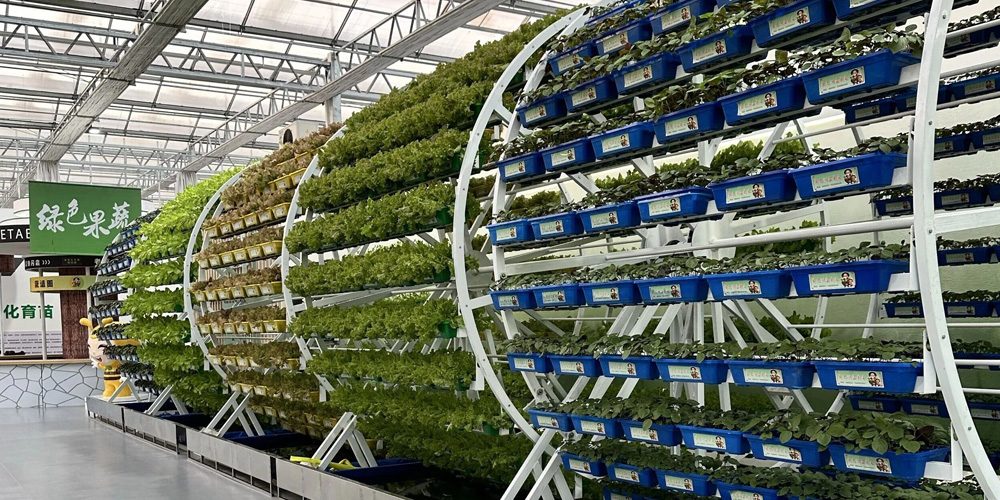
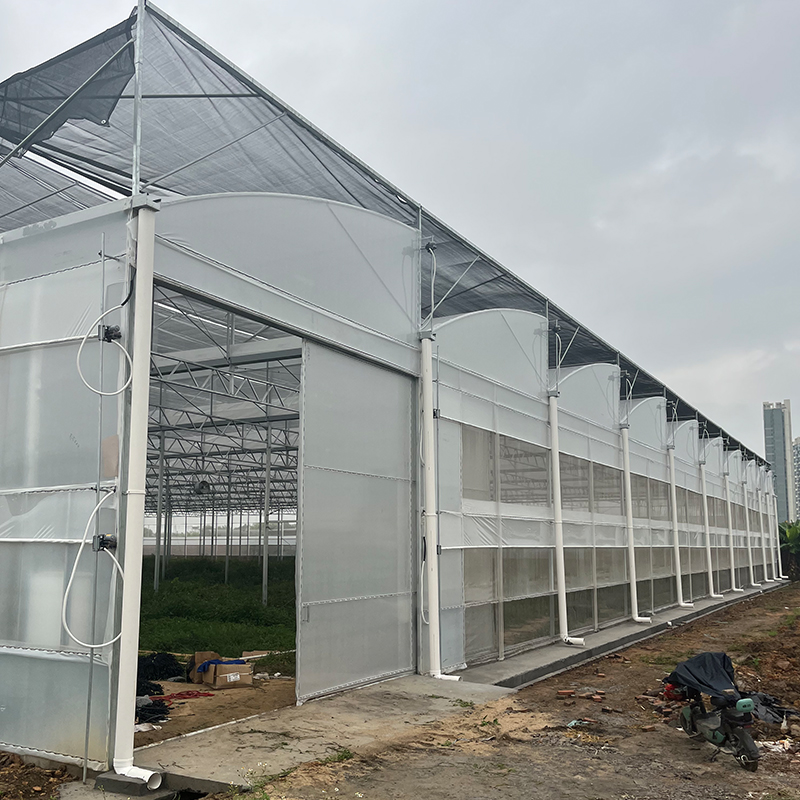
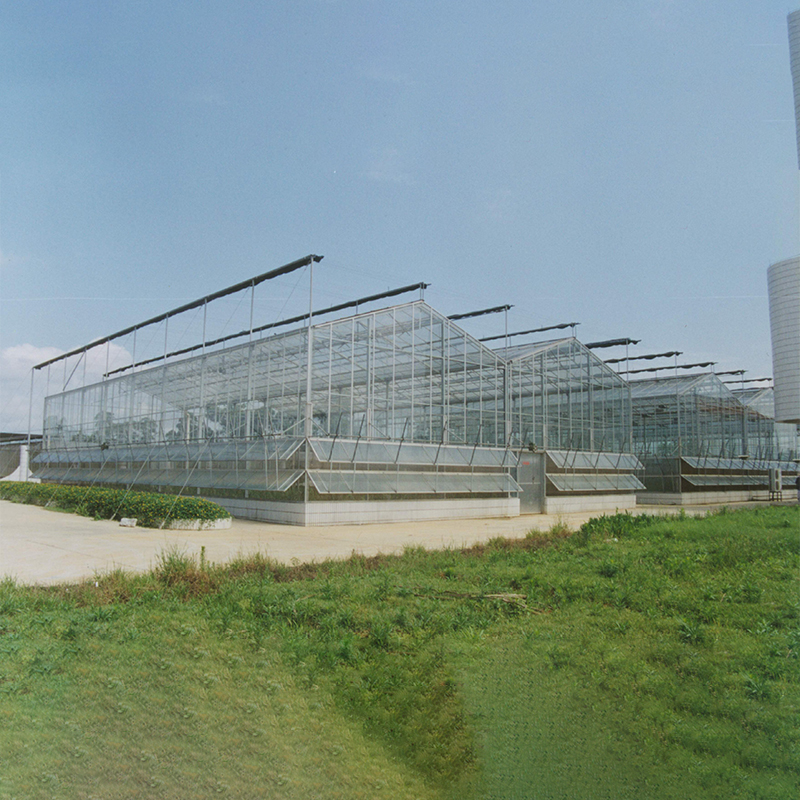
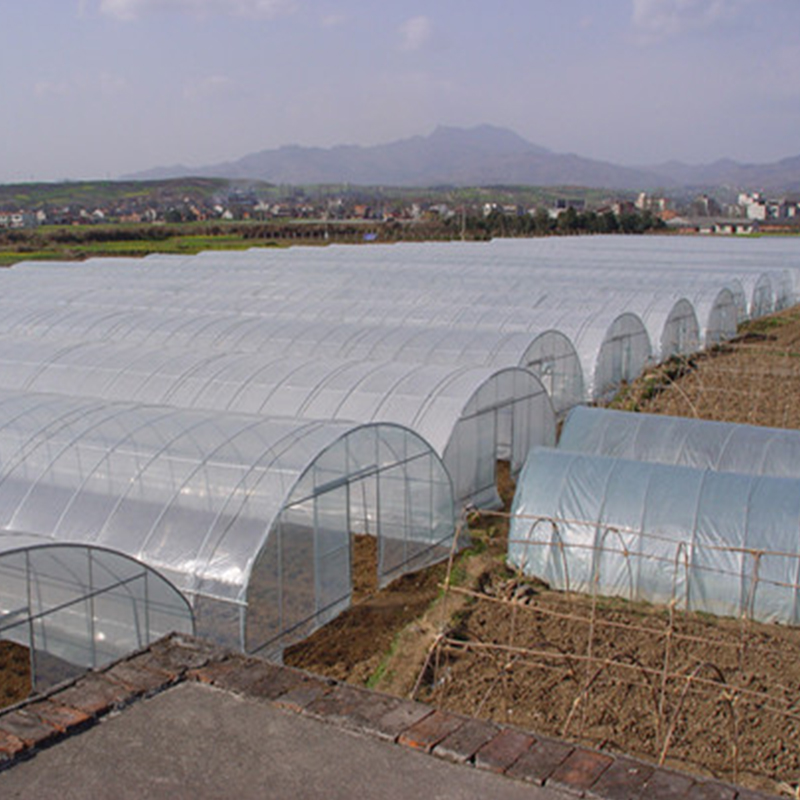
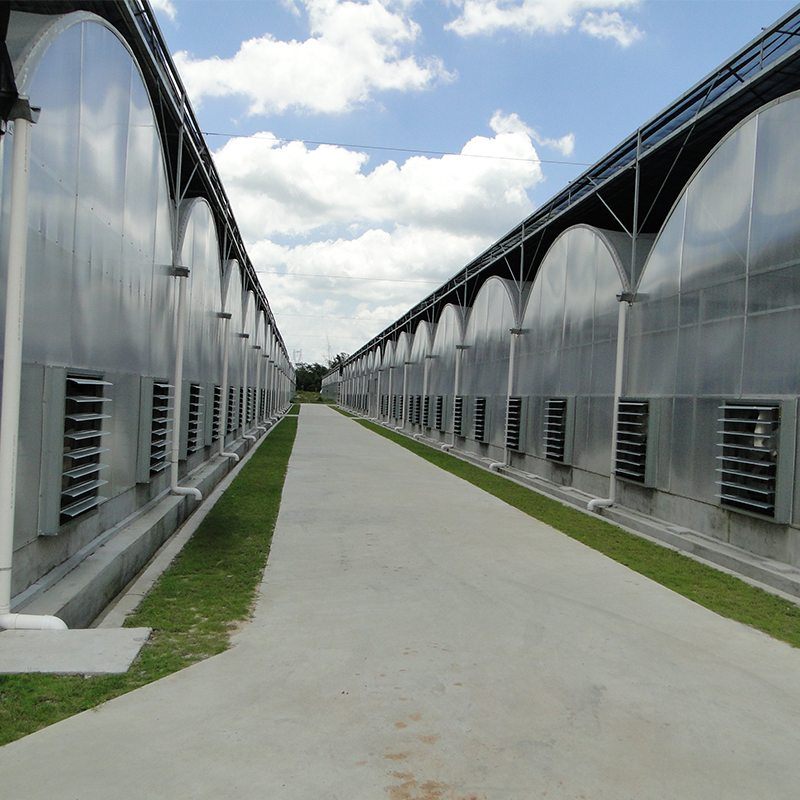
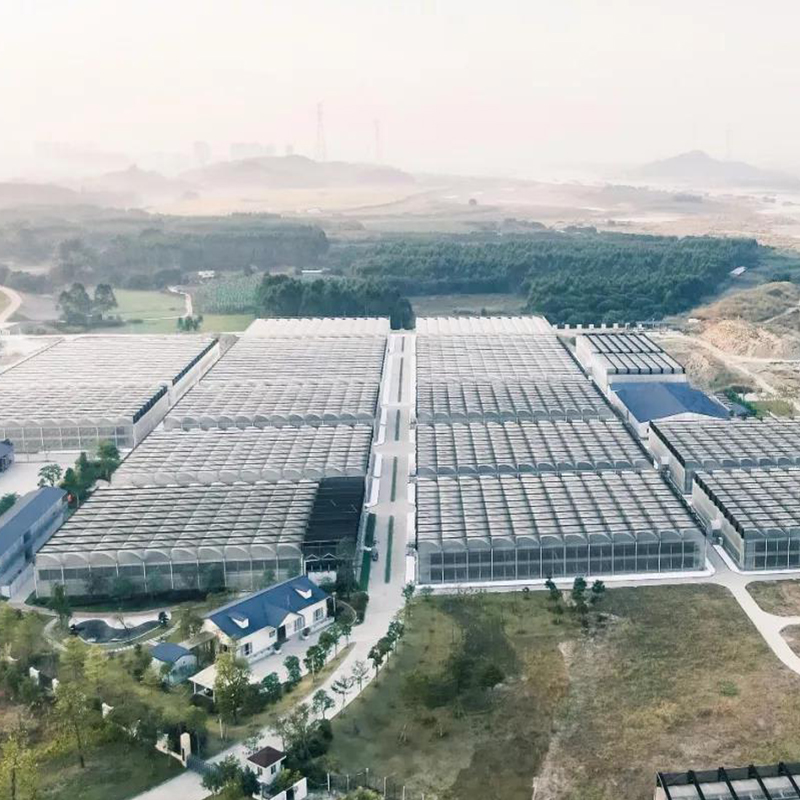
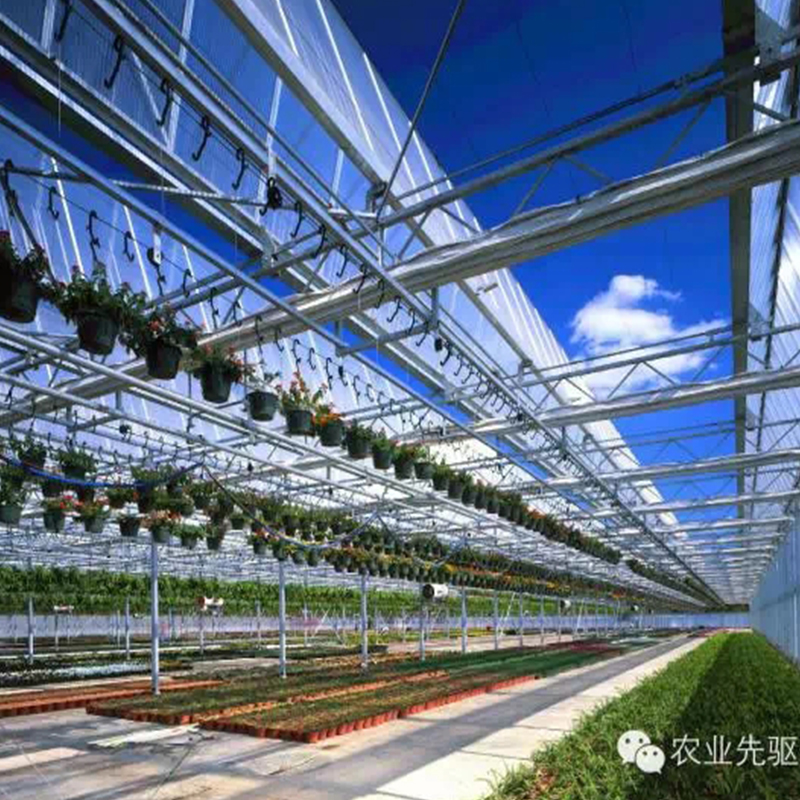
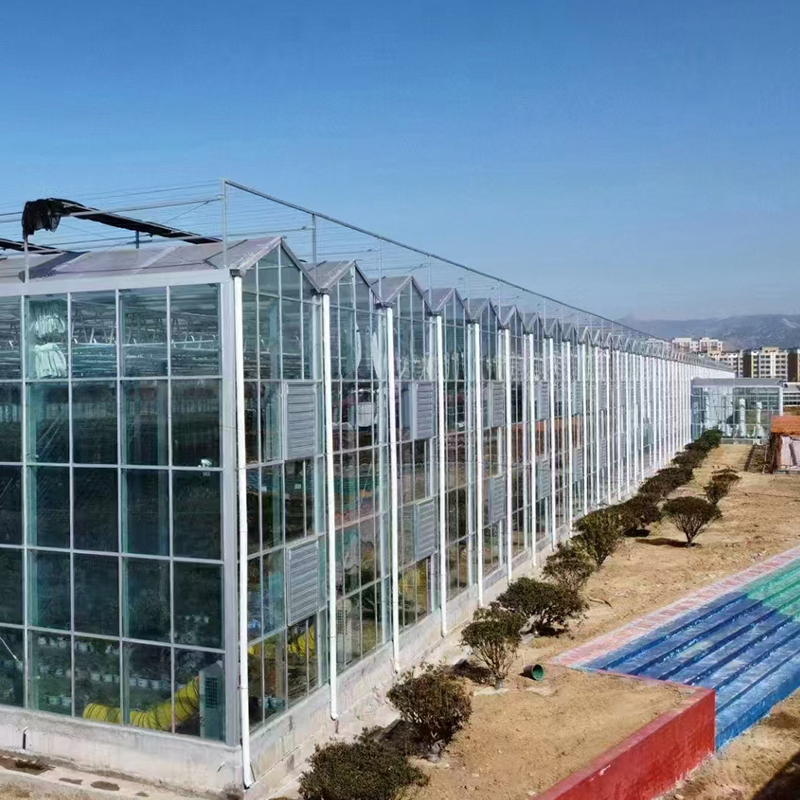
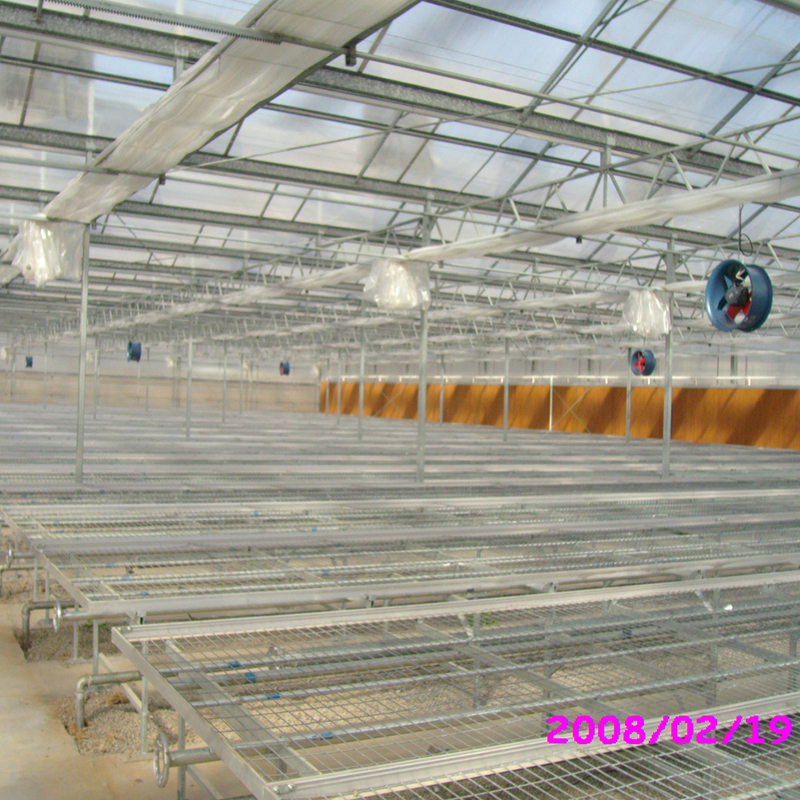
As one of the most common facility forms of plant factories, the hydroponic greenhouse is an ideal platform to demonstrate its high productivity. Such greenhouses usually adopt a plastic greenhouse structure with good light transmittance and high durability, which can not only make full use of natural light energy, but also effectively block external pests, diseases and extreme weather. Inside the plastic greenhouse, a complex automated control system is integrated, like an "intelligent entity for plant growth". Sensors distributed throughout monitor key environmental factors such as temperature, humidity, light intensity and carbon dioxide concentration in real time. Once the data deviates from the preset optimal range, the computer will automatically command equipment such as sunshade nets, wet curtain fans, nutrient solution circulation pumps and artificial light supplements to make precise adjustments. For example, on smoggy or rainy days, the system will automatically turn on LED lights with scientific spectra for artificial light supplementation; when high summer temperatures arrive, the wet curtain fan system will start to dissipate heat through water evaporation, ensuring that the greenhouse always maintains the most suitable environment for crop growth. All this ensures that crops in plant factories can be produced steadily and efficiently year-round, like "industrial products", free from any external interference.
The soilless planting model centered on hydroponics has also completely changed the dependence of traditional agriculture on large amounts of water and fertilizer. In a closed circulation system, the nutrient solution is accurately delivered to plant roots, and the unabsorbed portion is recycled, disinfected, adjusted and reused. This enables water utilization in plant factories to reach over 95%, and fertilizer utilization to be nearly perfect, achieving truly zero-emission and sustainable production. Meanwhile, since the entire production process is carried out in clean facilities such as hydroponic greenhouses or plastic greenhouses, isolated from external pollution sources, the vegetables produced are not only ready to eat without washing, but also have a fresh taste and higher nutritional value. It can be said that plant factories have maximized the advantages of protected agriculture through "precise control" of every production link, including temperature, humidity, light and nutrition.
Looking ahead, with the continuous maturity of technology and further cost reduction, plant factories will not be limited to producing green leafy vegetables. They are expected to expand to fruit vegetables such as strawberries and tomatoes, and even the cultivation of traditional Chinese medicinal materials and precious seedlings. These modular and three-dimensional "urban farms" can be built directly on the roofs of shopping malls, abandoned factory buildings, or even residential communities, realizing "local production and local consumption" of food. They can not only greatly shorten the distance "from farm to table", reduce losses and carbon emissions during transportation, but also serve as an important part of the urban emergency support system, ensuring the supply of fresh vegetables in cities in the event of natural disasters or emergencies.
In short, the transition from traditional farms to plant factories is not only a transformation of agricultural production methods, but also an important exploration for humanity to address future challenges and reshape the relationship between man and nature. With the power of technology, it has broken the millennia-old dependence of agriculture on natural conditions, painting a future picture where everyone can be free from hunger and enjoy safe and healthy food despite climate upheaval and resource constraints. As an emerging industry integrating biotechnology, environmental control and artificial intelligence, plant factories are moving from fields of hope to a crucial battlefield that will shape the future.
