


Comparison of Summer Cooling Solutions for Potted Flower Greenhouses: Wet Pad + Fan vs. High-Pressure Misting
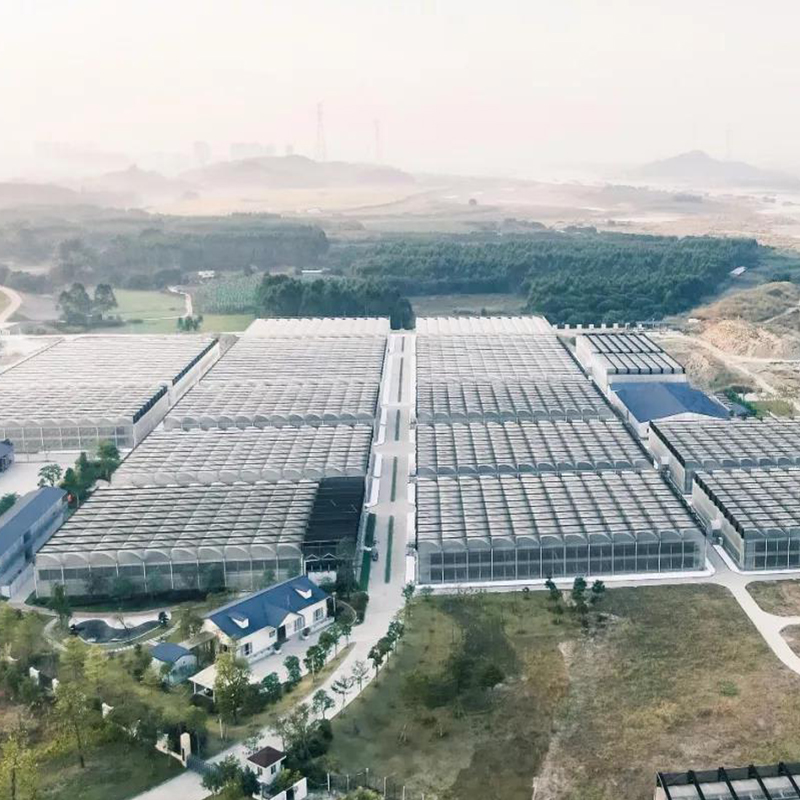
Summer high temperatures are a major challenge in the production of potted flowers in greenhouses. For plastic greenhouses and glass greenhouses, choosing the right cooling system directly affects potted flower quality and economic benefits. Currently, the two mainstream solutions are the "wet pad + fan" system and the "high-pressure misting" system. In addition, the proper arrangement of greenhouse circulation fans can significantly improve cooling uniformity. This article provides a detailed comparison of principles, applicability, costs, and effectiveness.
I. Wet Pad + Fan Cooling System
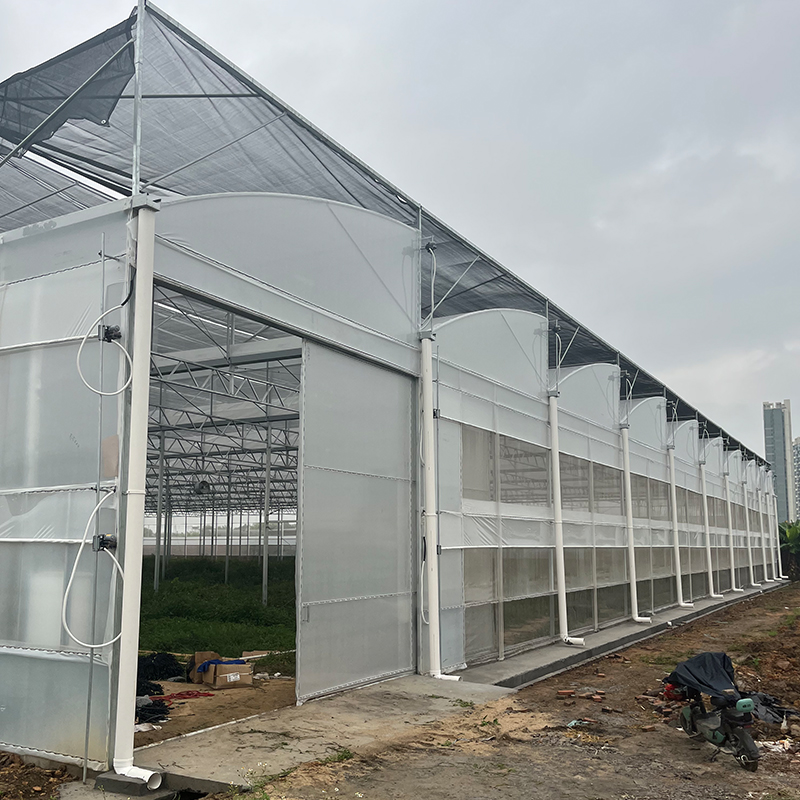
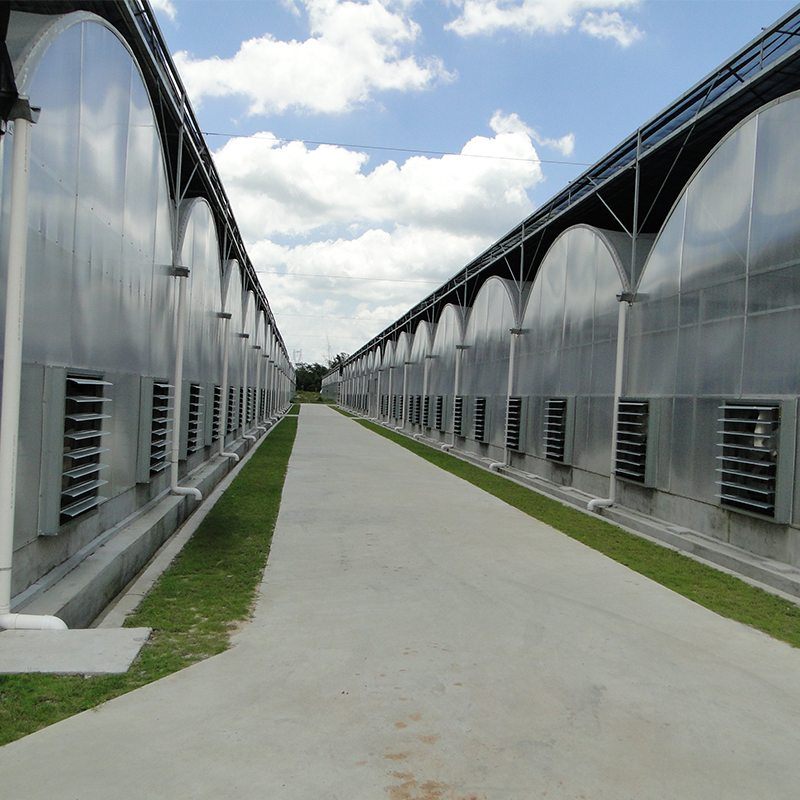
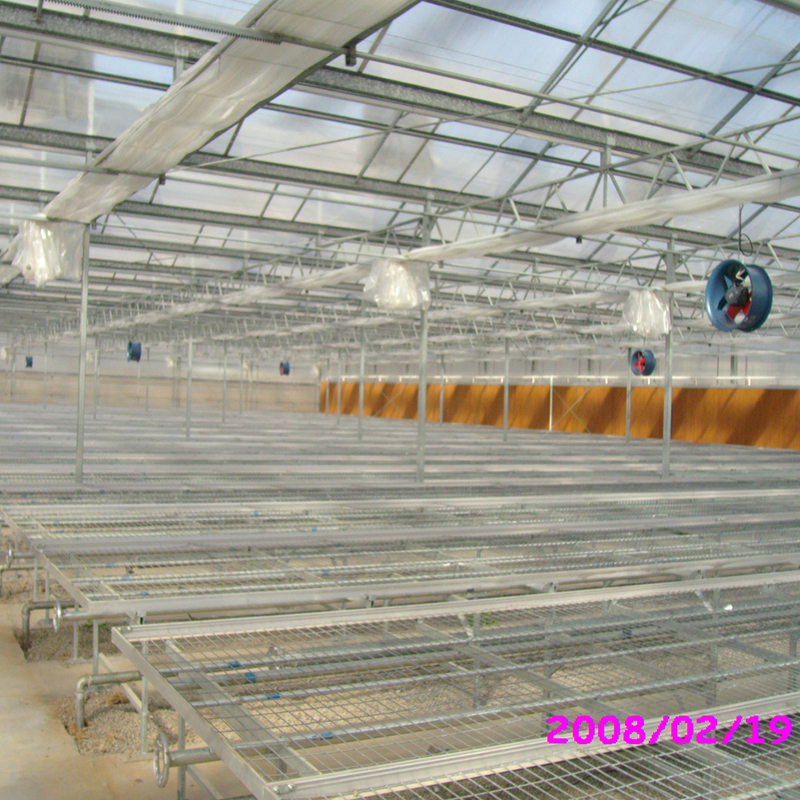
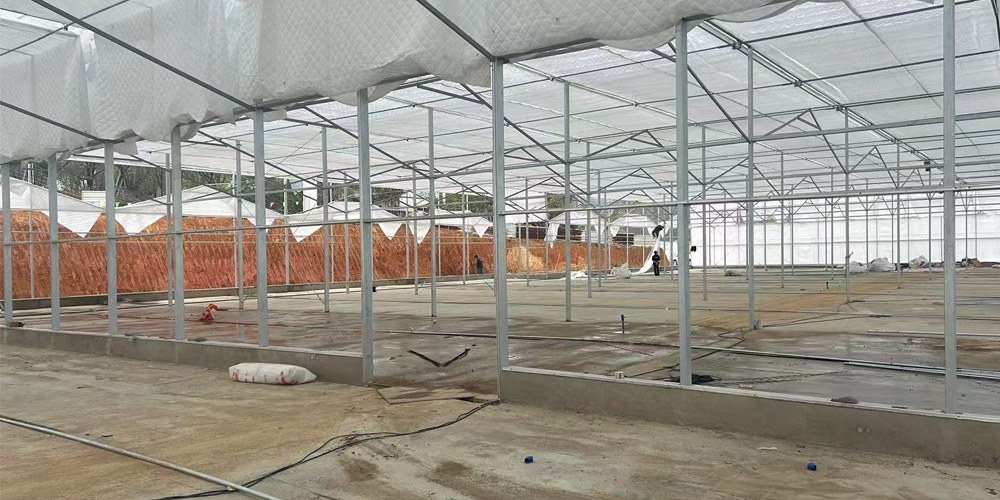
The wet pad + fan system uses the principle of evaporative cooling. In a plastic or glass greenhouse, a wet pad is installed on one side and exhaust fans on the opposite side, drawing outdoor hot air through the wet pad to cool it before it enters the greenhouse. This system works effectively in large, multi-span greenhouses with good airtightness, typically reducing indoor temperatures by 5–8°C compared to the outside. However, the wet pad blocks some natural light, and long‑term use can lead to algae growth, requiring regular maintenance. On hot, humid days, cooling efficiency drops significantly. Additionally, the system requires considerable installation space and a stable water source; initial investment is moderate, but operating electricity costs are relatively high.
II. High-Pressure Misting Cooling System
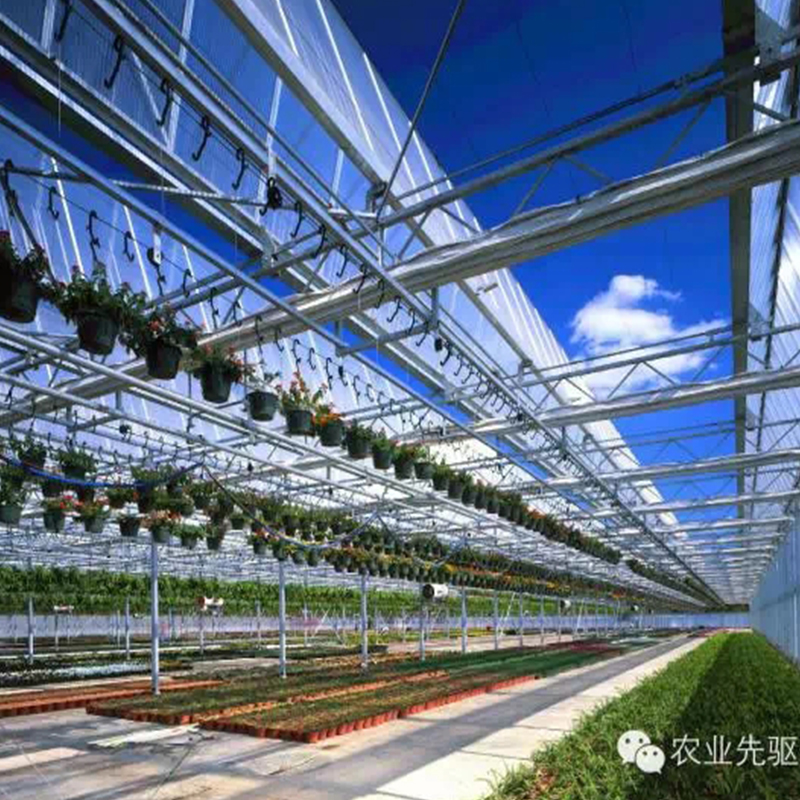
High‑pressure misting pressurizes water to over 7 MPa and atomizes it through special nozzles into micron‑sized droplets, which rapidly evaporate inside the plastic or glass greenhouse, absorbing heat and providing local or whole‑area cooling. This system is particularly suitable for open or semi‑open greenhouse structures and can work with greenhouse circulation fans to evenly distribute the cool mist throughout the potted flower growing area. High‑pressure misting requires high water quality, typically needing a water softening treatment to prevent nozzle clogging. Its advantages include rapid cooling, no occupation of growing space, and a simultaneous increase in humidity, which is especially beneficial for humidity‑loving potted flowers such as anthuriums and phalaenopsis orchids. However, if misting volume is not properly controlled, it can wet leaves and cause disease. Initial investment is higher, but operating energy consumption is lower than that of the wet pad + fan system.
III. Influence of Greenhouse Type on Solution Selection
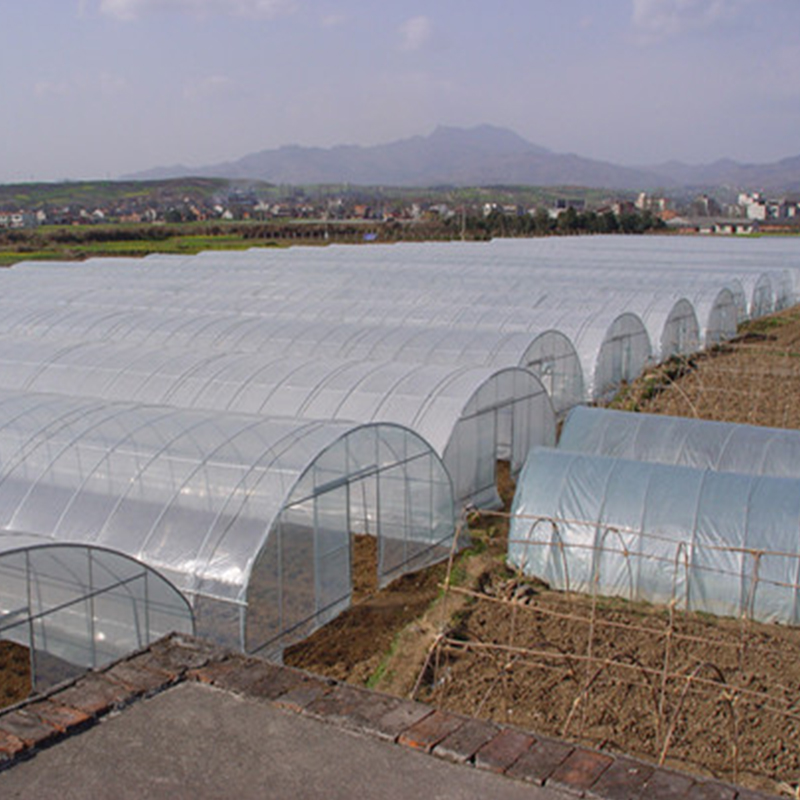
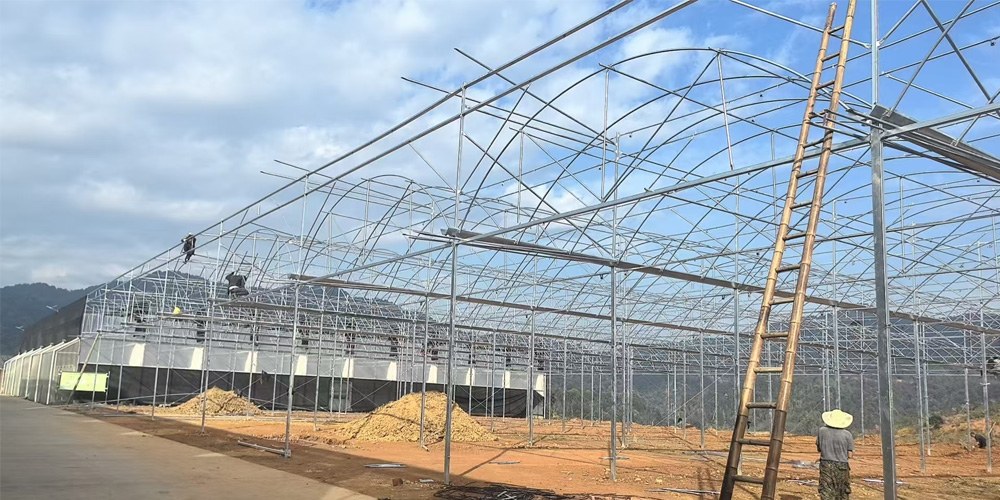
Plastic greenhouse – Good airtightness allows the wet pad + fan system to create a stable negative‑pressure airflow, providing reliable cooling. However, plastic film ages easily, and prolonged high humidity can shorten its lifespan. When using high‑pressure misting in a plastic greenhouse, care must be taken to direct the mist away from the film to avoid water accumulation and deformation, and enhanced roof ventilation is necessary.
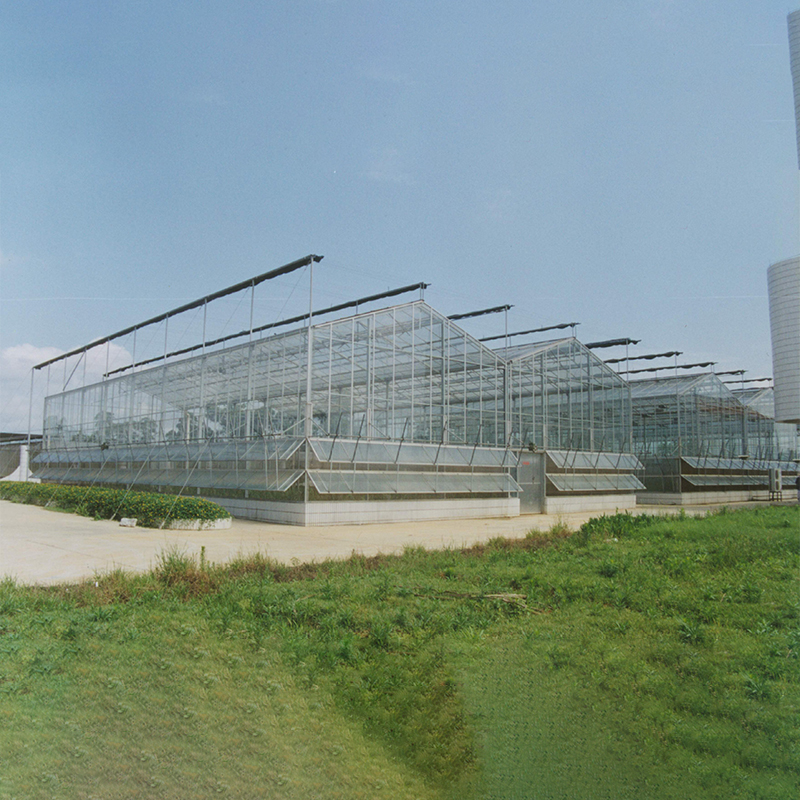
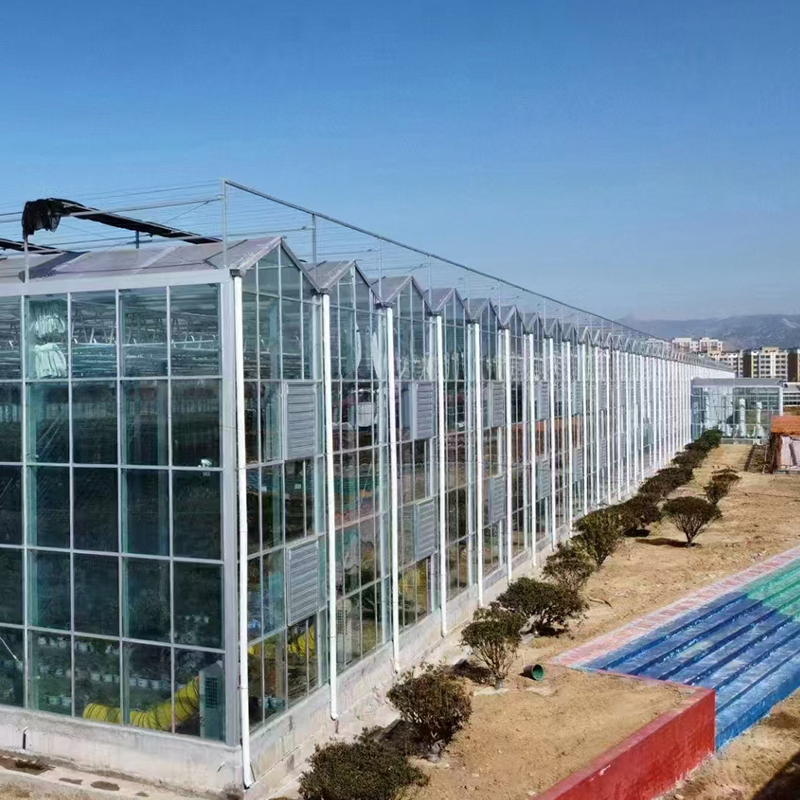
Glass greenhouse – High light transmission and strong sealing make the wet pad + fan system the mainstream cooling solution, especially for large‑scale commercial potted flower production. However, condensation easily forms on glass surfaces, so when combining with high‑pressure misting, dehumidification strategies are required. High‑pressure misting offers flexible application in glass greenhouses, enabling targeted cooling for specific potted flower areas (e.g., seedling zones, sensitive flowering zones). With an intelligent control system, misting can be delivered on demand.
IV. Key Role of Greenhouse Circulation Fans
Regardless of which cooling solution is chosen, greenhouse circulation fans are critical equipment for improving performance. In the wet pad + fan system, circulation fans break temperature stratification, pushing cool air evenly to the far end of the greenhouse and preventing overcooling near the wet pad and overheating at the opposite end. In the high‑pressure misting system, circulation fans accelerate droplet evaporation, prevent water droplets from settling on potted flower leaves, and expand the coverage radius of the cool mist. It is recommended to install one circulation fan per 100–200 m², adjusting air direction and speed according to the height of the potted flowers.
V. Comprehensive Comparison and Recommendations
V. Comprehensive Comparison and Recommendations
Comparison Item | Wet Pad + Fan | High-Pressure Misting |
Cooling range | 5–8°C (better in dry areas) | 3–6°C (depends on humidity) |
Humidity increase | 20–30% | 30–50% |
Initial investment cost | Moderate (approx. 60–100 RMB/m²) | High (approx. 100–180 RMB/m²) |
Operating energy consumption | Higher (fans run continuously) | Lower (intermittent misting + low power pump) |
Maintenance complexity | Moderate (pad cleaning, algae control) | High (nozzle clogging prevention, water treatment) |
Effect on potted flowers | No direct wetting risk | Risk of leaf surface water accumulation |
Recommendations:
For large plastic or glass greenhouses in dry regions, prioritize the wet pad + fan + greenhouse circulation fans combination for stable and reliable cooling.
For greenhouses with high humidity or those requiring precise zoned cooling (especially for high‑end potted flower production), the high‑pressure misting + greenhouse circulation fans combination offers greater advantages.
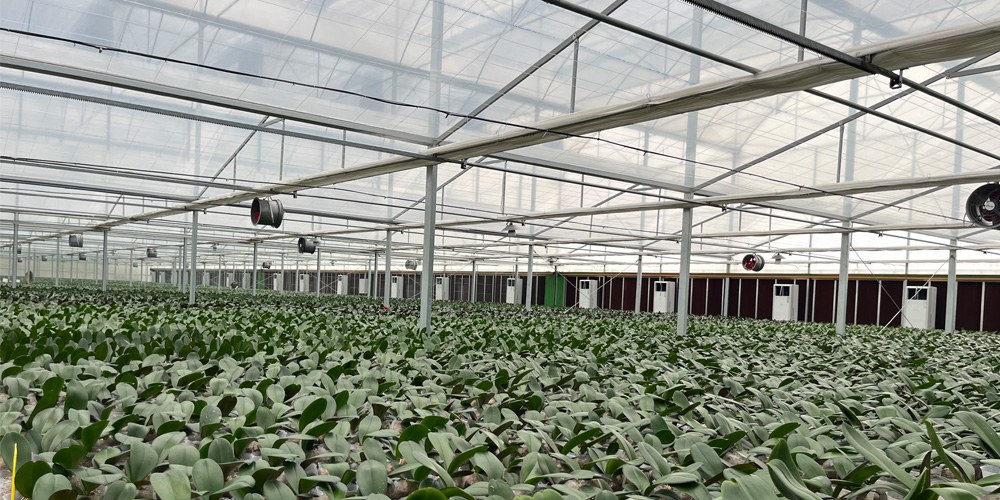
In practice, the two can also be combined: use the wet pad + fan system for basic cooling and high‑pressure misting as a supplemental solution for local hot spots, achieving optimal economic and ecological benefits.
In summary, there is no one‑size‑fits‑all summer cooling solution for potted flower greenhouses. Decisions must be made based on greenhouse type (plastic or glass), local climate, potted flower varieties, and budget. Regardless of the chosen solution, do not forget to install an adequate number of greenhouse circulation fans – they are the key to ensuring that cool air reaches every pot evenly.
