


Regulating Greenhouse Environments to Extend the Flowering Period of Phalaenopsis: 4 Practical Steps
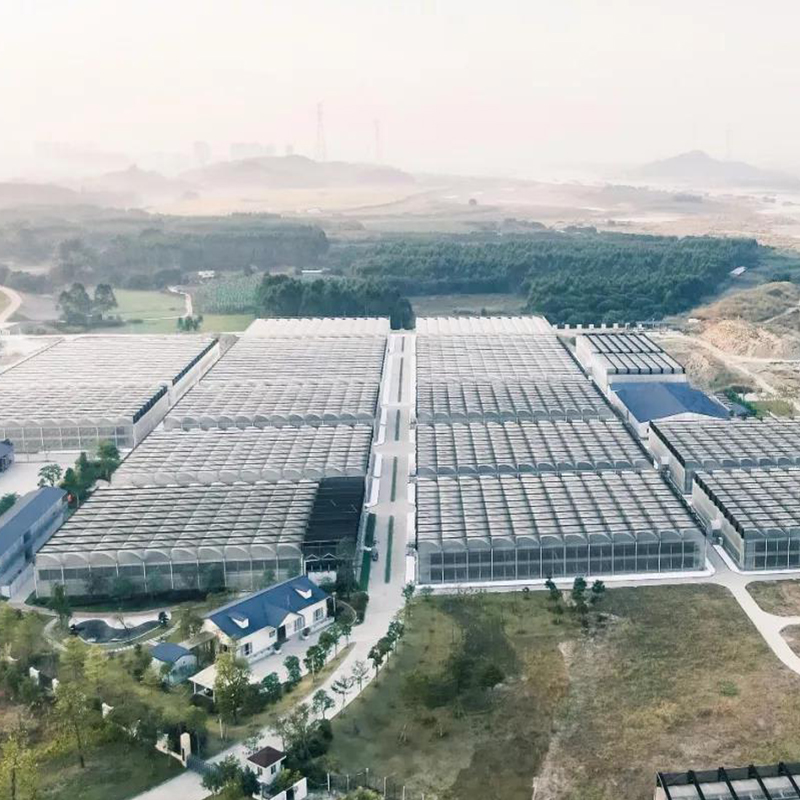
As a high-end ornamental flower, the flowering period of Phalaenopsis directly impacts its ornamental value and economic benefits. By precisely regulating the greenhouse environment, the flowering period can be significantly extended. This article introduces four practical steps for flowering regulation, utilizing four types of facilities: plastic tunnel greenhouses, electrical control cabinets, Phalaenopsis greenhouses, and glass greenhouses.
Step 1: Precise Temperature Regulation – Interlinking Plastic Tunnel Greenhouses with Electrical Control Cabinets
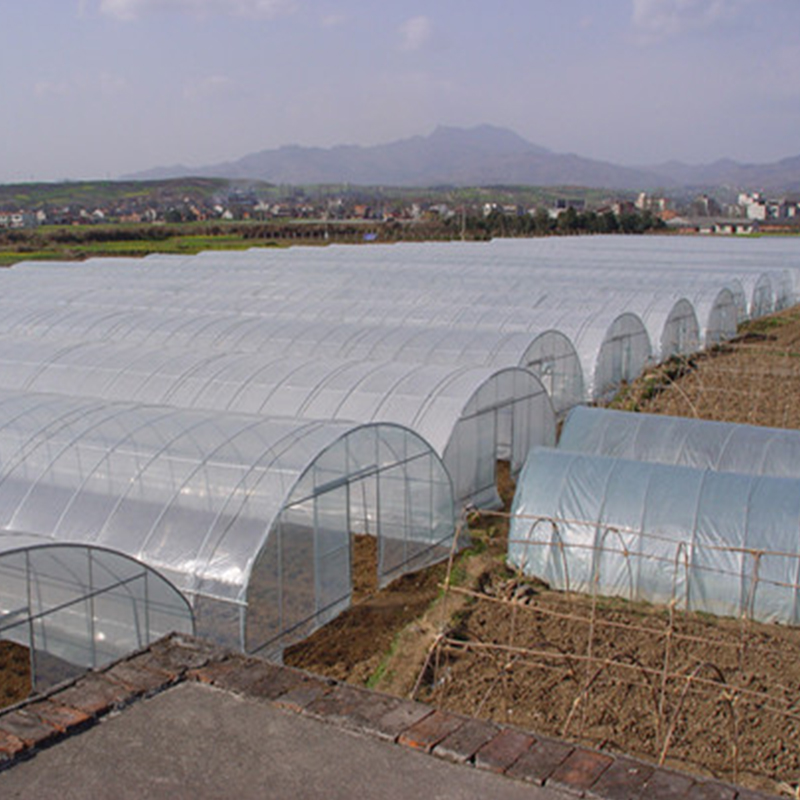
Temperature fluctuations are substantial in plastic tunnel greenhouses. However, by installing electrical control cabinets, automated temperature control can be achieved. The electrical control cabinet integrates temperature sensors, heating equipment, and ventilation systems. It automatically activates heating when the temperature inside the tunnel drops below 18°C, and starts fans for cooling when it exceeds 28°C. This interlinking mechanism allows plastic tunnel greenhouses to simulate the temperature differentials of the Phalaenopsis native environment, effectively delaying flower senescence. In practice, multiple electrical control cabinets can be installed in different zones within the plastic tunnel greenhouse to ensure uniform temperature and prevent localized high or low temperatures from affecting the flowering period. The flexibility of plastic tunnel greenhouses makes them a preferred choice for low-cost temperature control, and the precise response of the electrical control cabinets significantly enhances environmental stability.
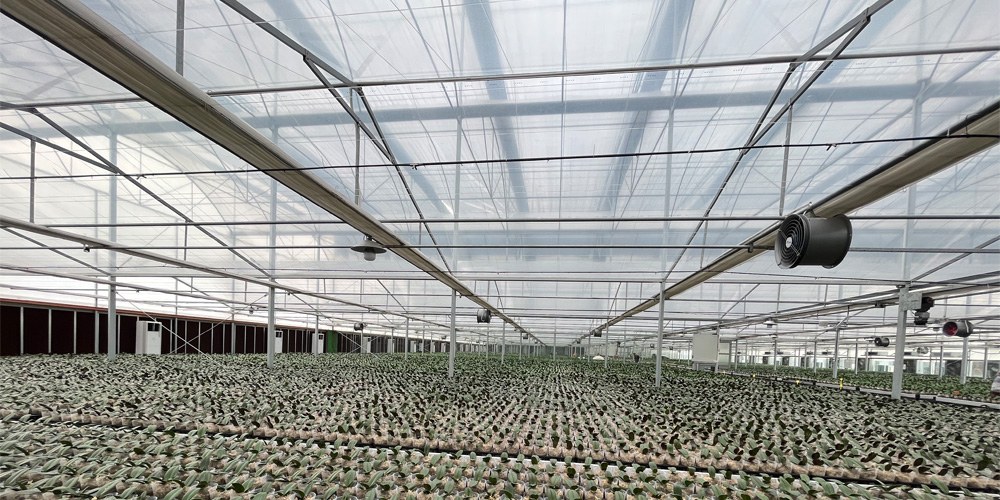
Step 2: Scientific Humidity Management – Core Aspects of Phalaenopsis Greenhouses
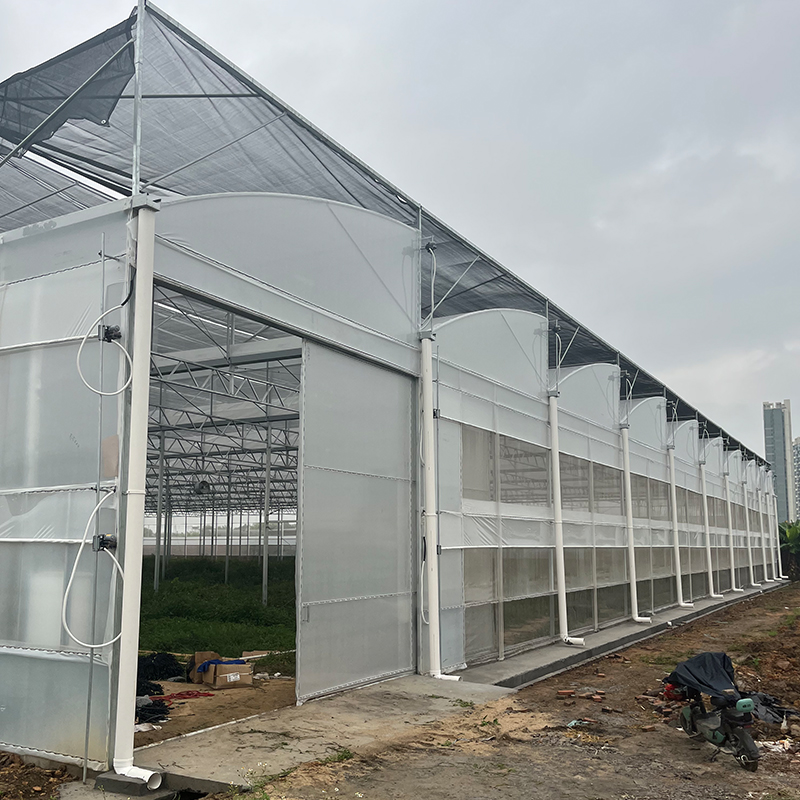
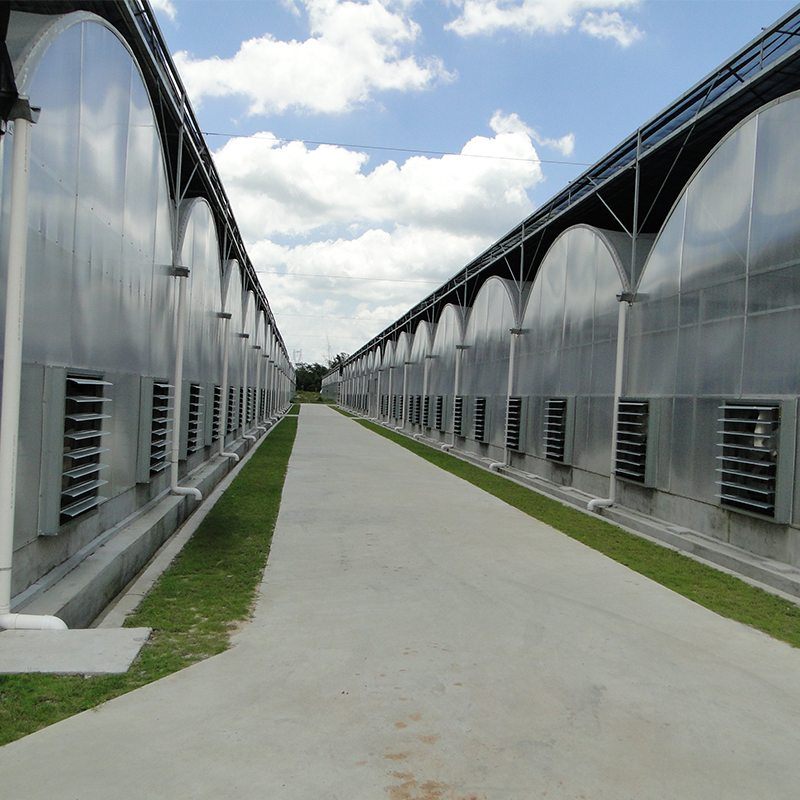
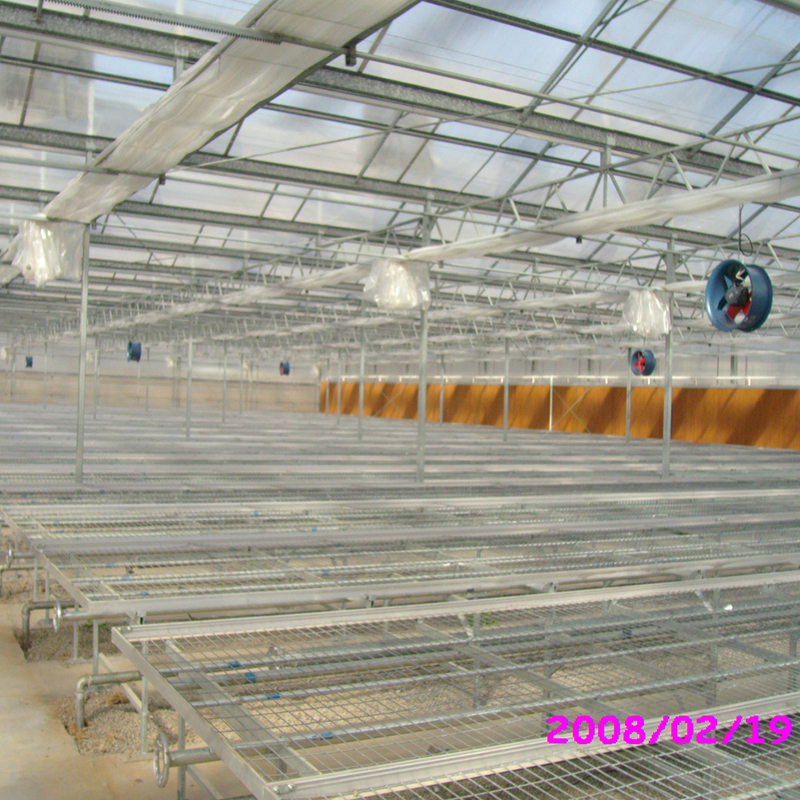
Phalaenopsis greenhouses typically utilize a closed structure, making humidity management a critical factor. By connecting electrical control cabinets to misting humidifiers and dehumidifiers, relative humidity is maintained between 60% and 80%. In a Phalaenopsis greenhouse, excessively high humidity can easily lead to petal mold, while low humidity causes premature flower wilting. Using the timing function of the electrical control cabinet, misting is carried out every 2 hours, complemented by circulating fans to ensure uniform humidity distribution. The environmental stability inside a Phalaenopsis greenhouse is far superior to that of a standard plastic tunnel greenhouse, but the cost is higher. Therefore, advantages can be combined by initially cultivating plants in a plastic tunnel greenhouse and transferring them to a Phalaenopsis greenhouse for refined regulation as the flowering period approaches. The electrical control cabinet is used throughout the process to ensure seamless parameter integration.
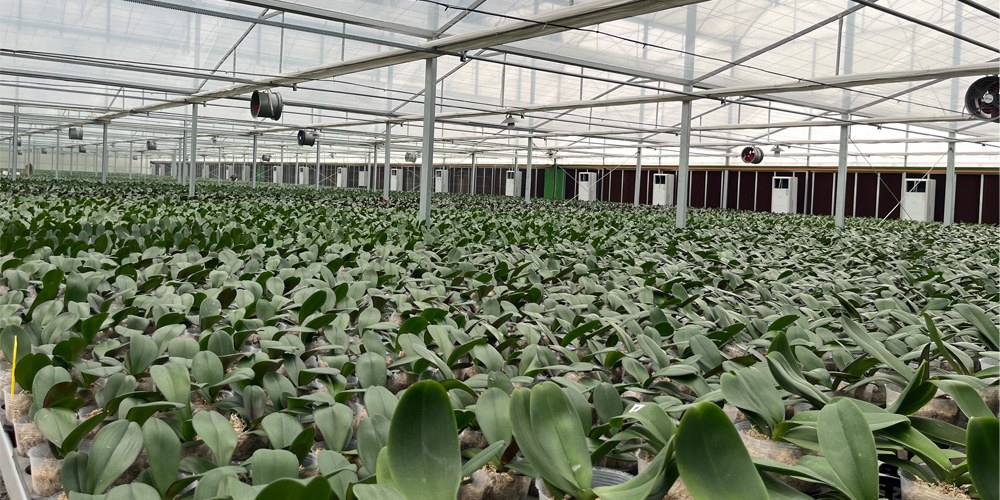
Step 3: Intelligent Light Regulation – Glass Greenhouses and Photoperiod Control
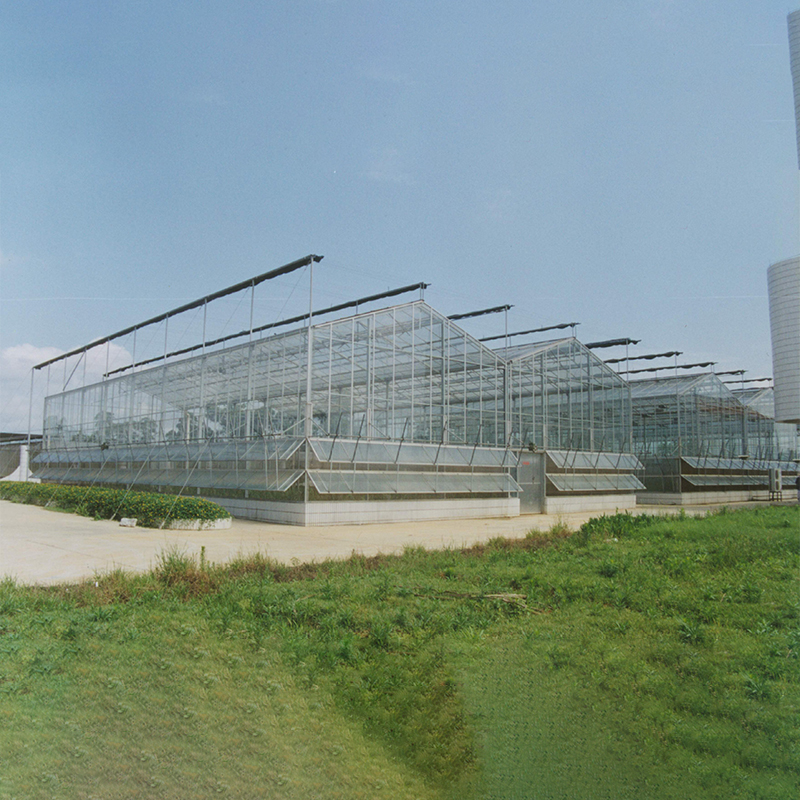
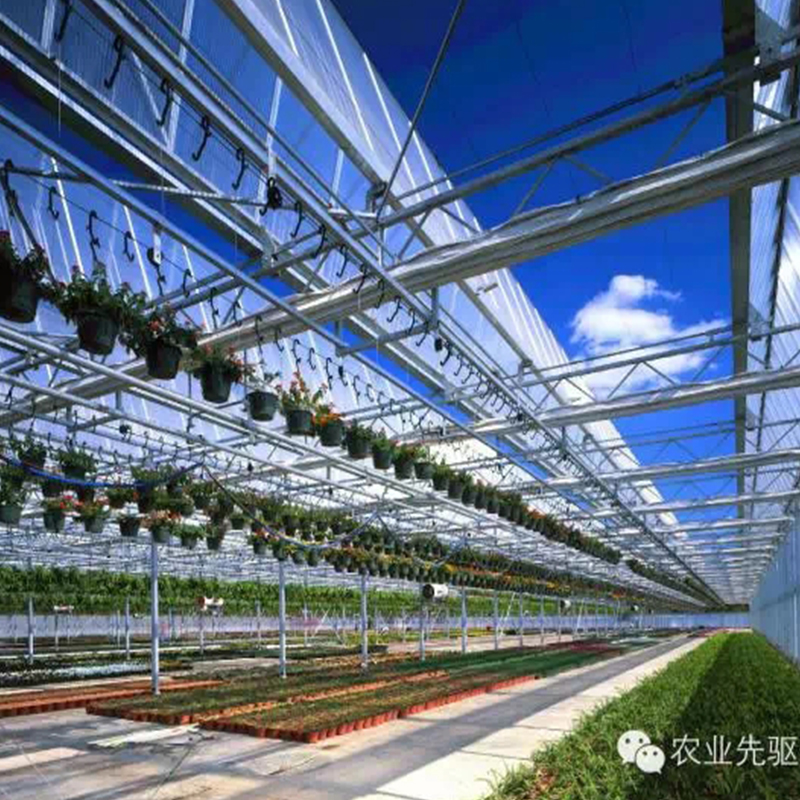
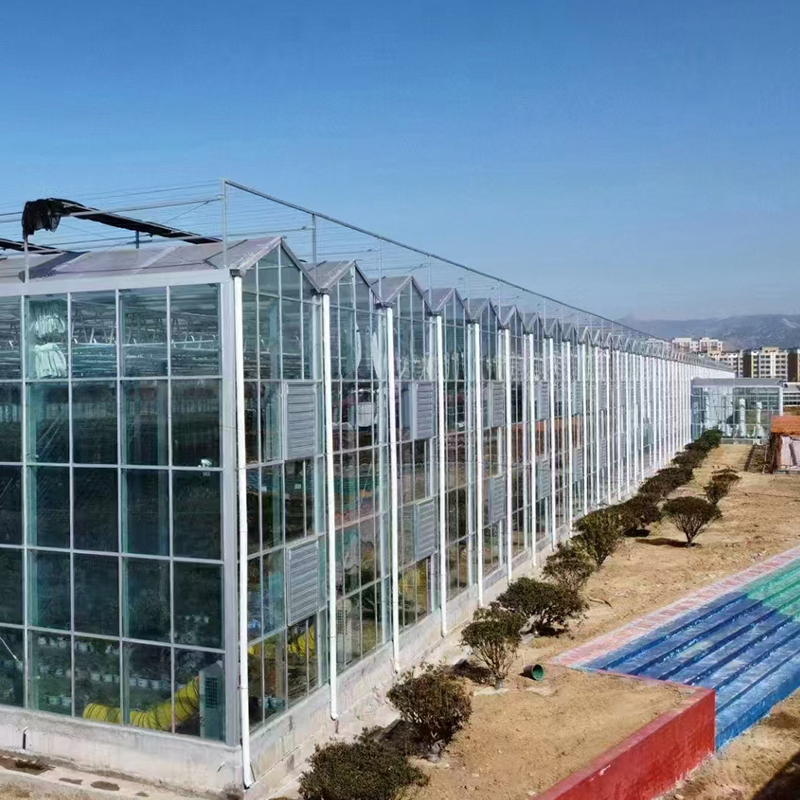
Glass greenhouses, characterized by high light transmittance, are ideal for extending the flowering period of Phalaenopsis. In a glass greenhouse, shading nets and supplemental grow lights are installed and automatically adjusted by an electrical control cabinet based on light intensity. Phalaenopsis requires protection from direct sunlight during flowering; glass greenhouses utilize diffuse light to reduce photoinhibition. Concurrently, the electrical control cabinet can be programmed to set a photoperiod, ensuring 12 hours of light daily to promote anthocyanin synthesis, resulting in more vibrant flower colors. Compared to plastic tunnel greenhouses, glass greenhouses make better use of natural light. However, cooling during summer is essential; the electrical control cabinet can integrate with wet pad and fan systems to ensure suitable temperatures, allowing flowers to bloom persistently under stable light conditions.
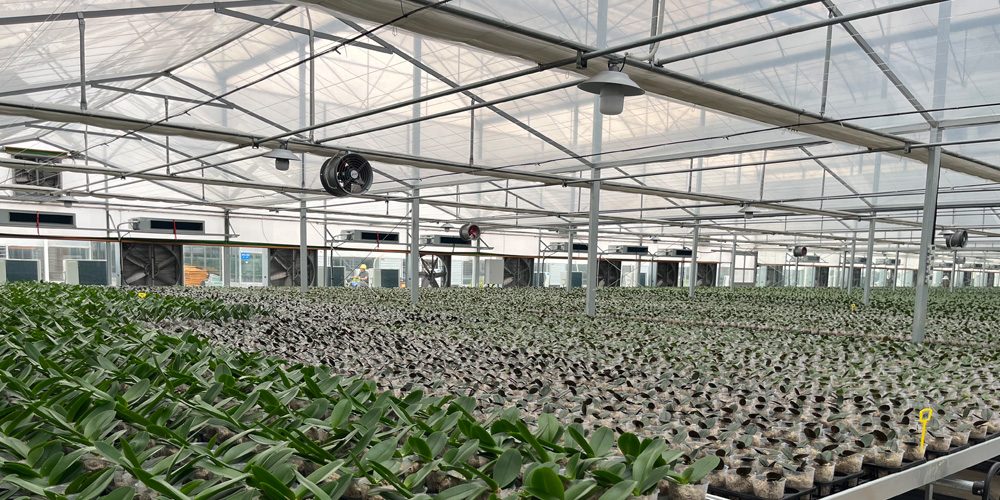
Step 4: Ventilation and Day-Night Temperature Difference – Integrated Environmental Regulation
Ventilation and temperature differential management are crucial, regardless of whether using plastic tunnel greenhouses, Phalaenopsis greenhouses, or glass greenhouses. The electrical control cabinet can be set to maintain nighttime temperatures 5–8°C lower than daytime temperatures, mimicking natural conditions, reducing respiratory consumption, and thereby extending the flowering period. In plastic tunnel greenhouses, natural ventilation can be achieved through side roll-up films and roof opening vents. In Phalaenopsis greenhouses and glass greenhouses, forced ventilation systems driven by electrical control cabinets are used. Glass greenhouses can also enhance ventilation efficiency by utilizing coordinated roof and side window openings. Properly managing the day-night temperature difference can significantly increase the longevity of Phalaenopsis flowers while enhancing plant resistance.
Through these four steps, leveraging the flexibility of plastic tunnel greenhouses, the automation of electrical control cabinets, the precision of Phalaenopsis greenhouses, and the light management advantages of glass greenhouses, growers can effectively extend the flowering period of Phalaenopsis. In practice, adjustments should be made flexibly based on facility conditions and variety characteristics to ultimately achieve improvements in both ornamental value and economic benefits.
