


Empowered by Technology, Green for the Future — Plant Factories Lead the New Transformation of Agriculture
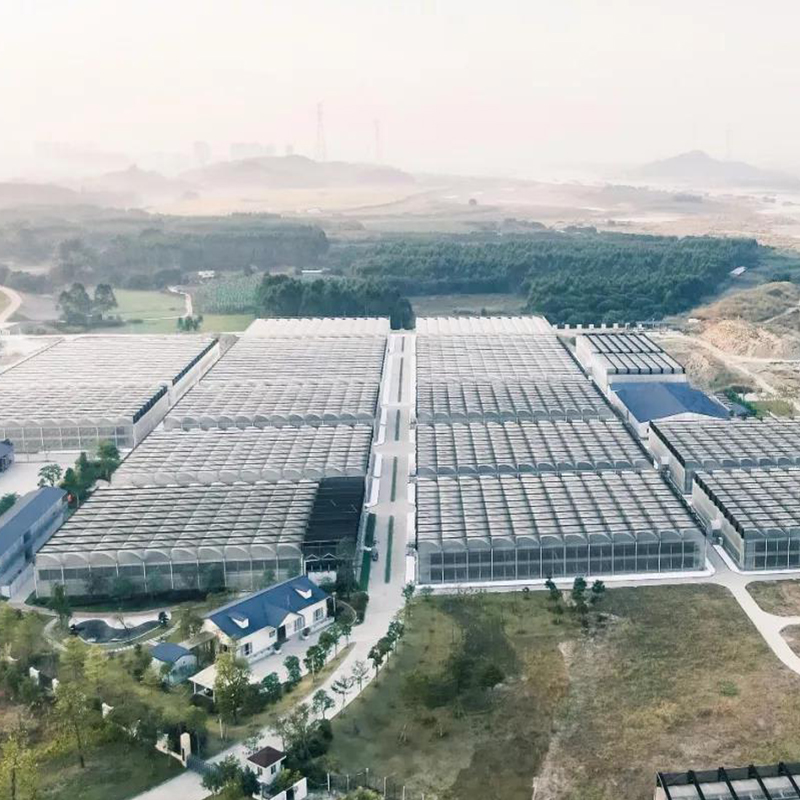
Today, with the accelerated advancement of agricultural modernization, plant factories, as the core carrier of future agriculture, are breaking the limitations of traditional agriculture through technological innovation and becoming a new engine driving high-quality agricultural development. Relying on advanced planting technologies and facilities, plant factories have achieved efficient production free from the constraints of the natural environment. The four core elements — hydroponic greenhouse, hydroponics, soilless planting, and plastic greenhouse — have injected strong impetus into their development, steadily propelling agriculture toward intelligence, greenization, and large-scale operation.
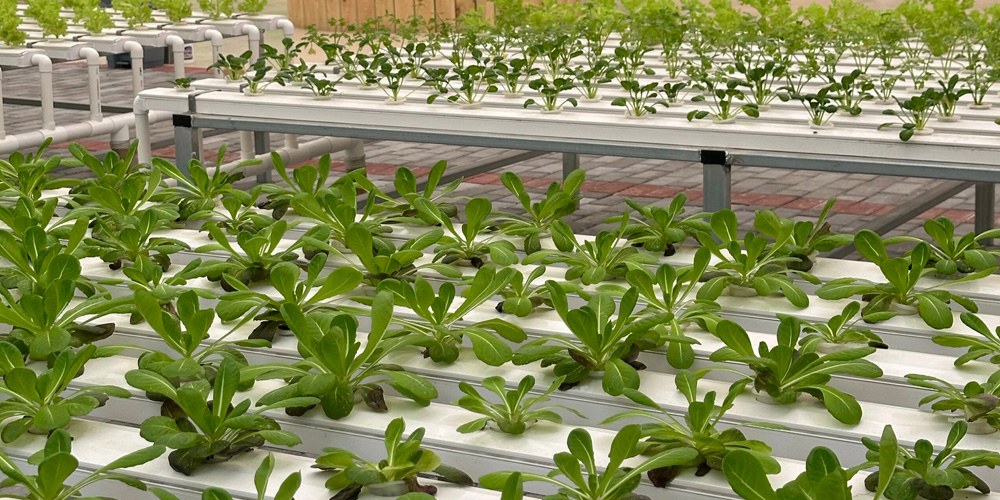
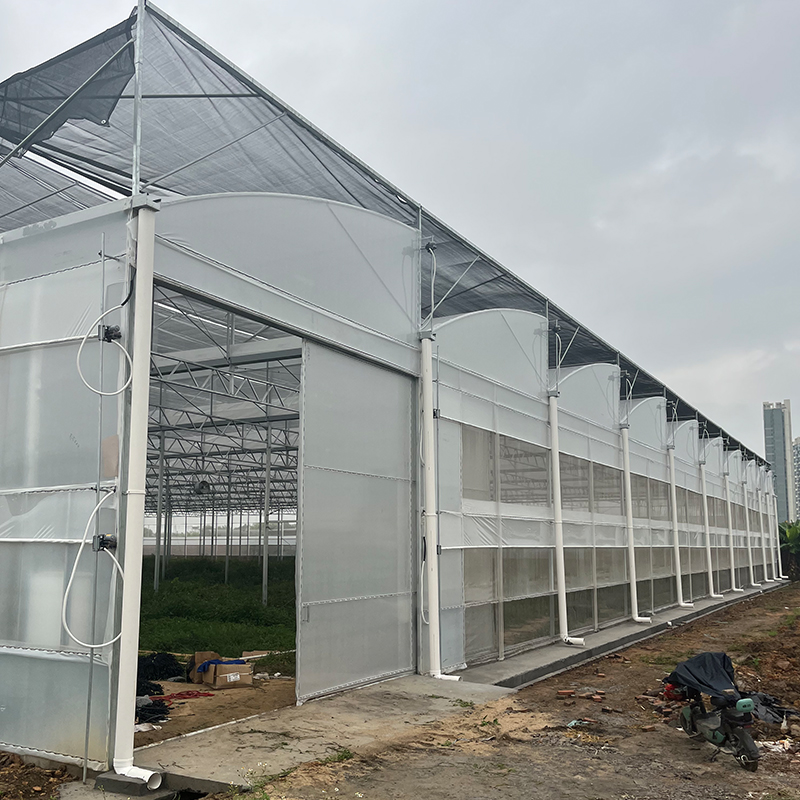
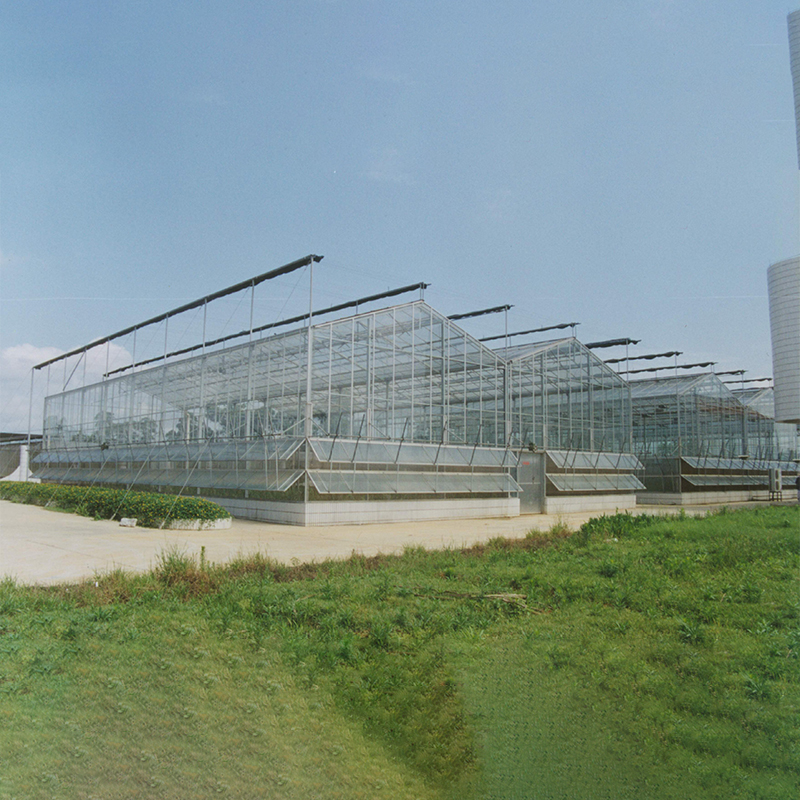
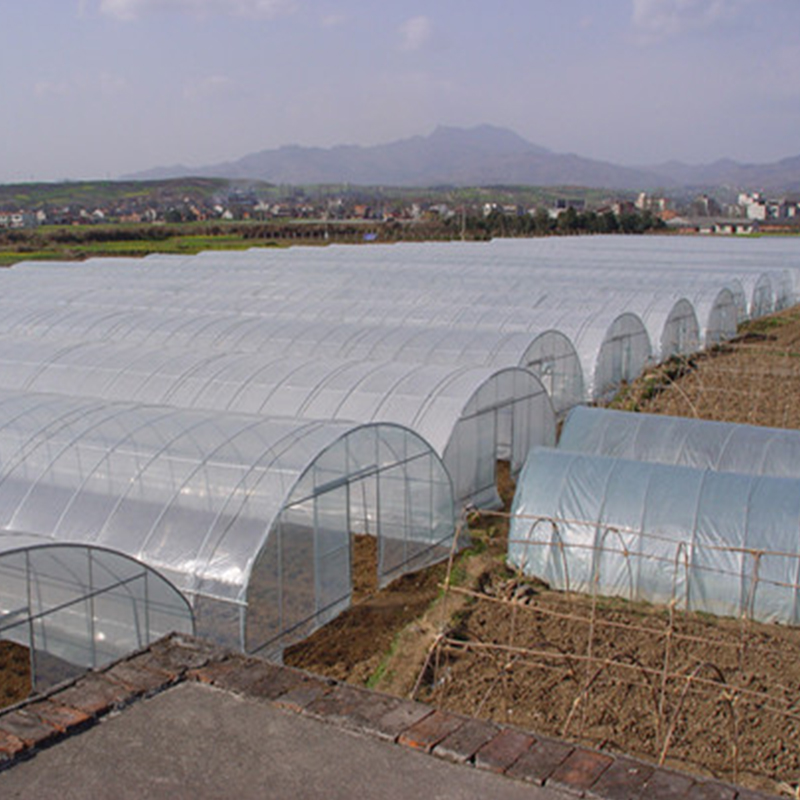
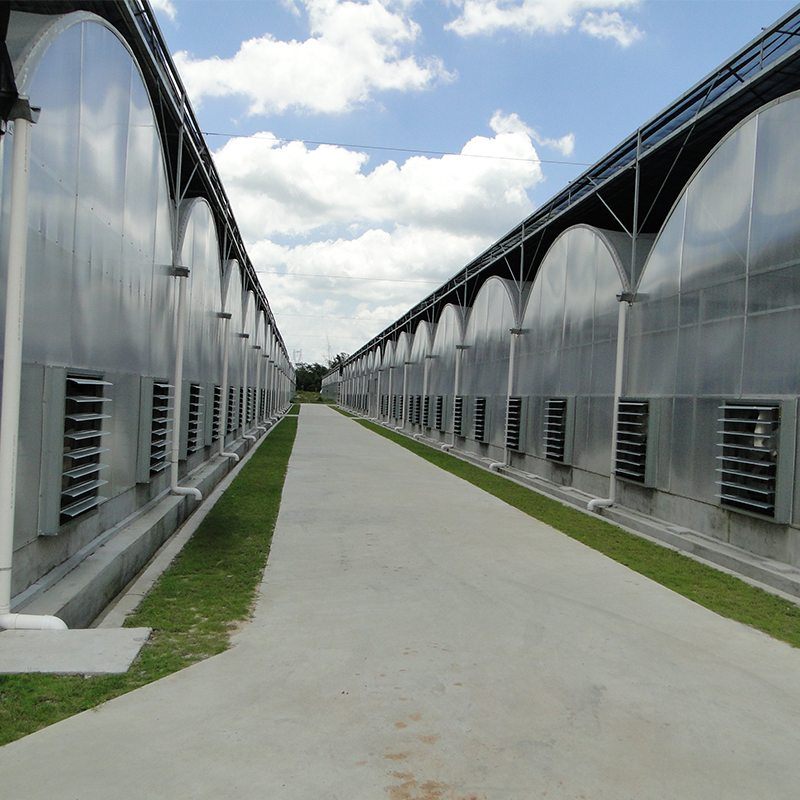
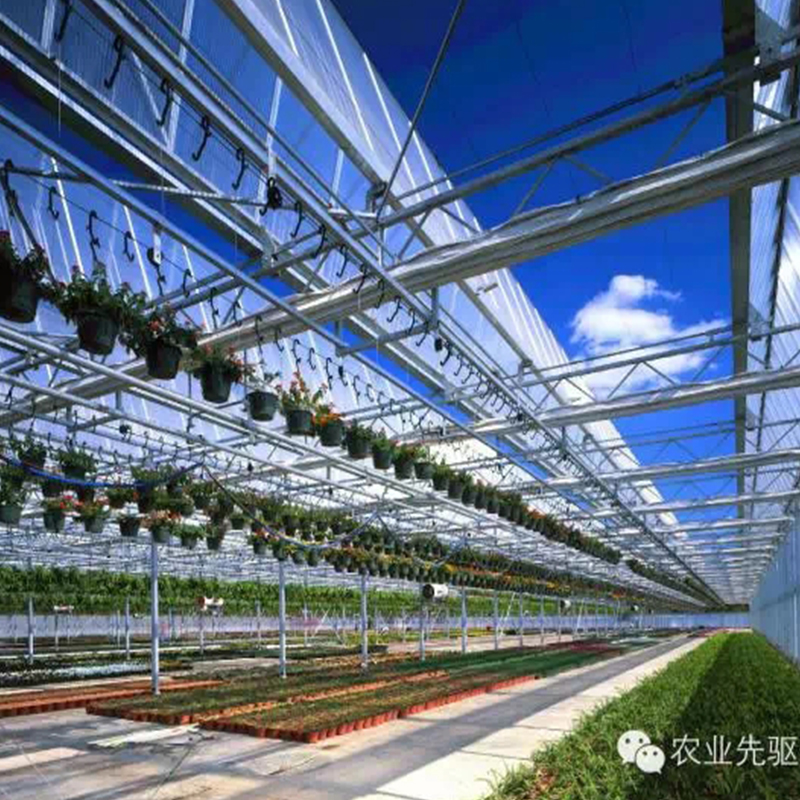
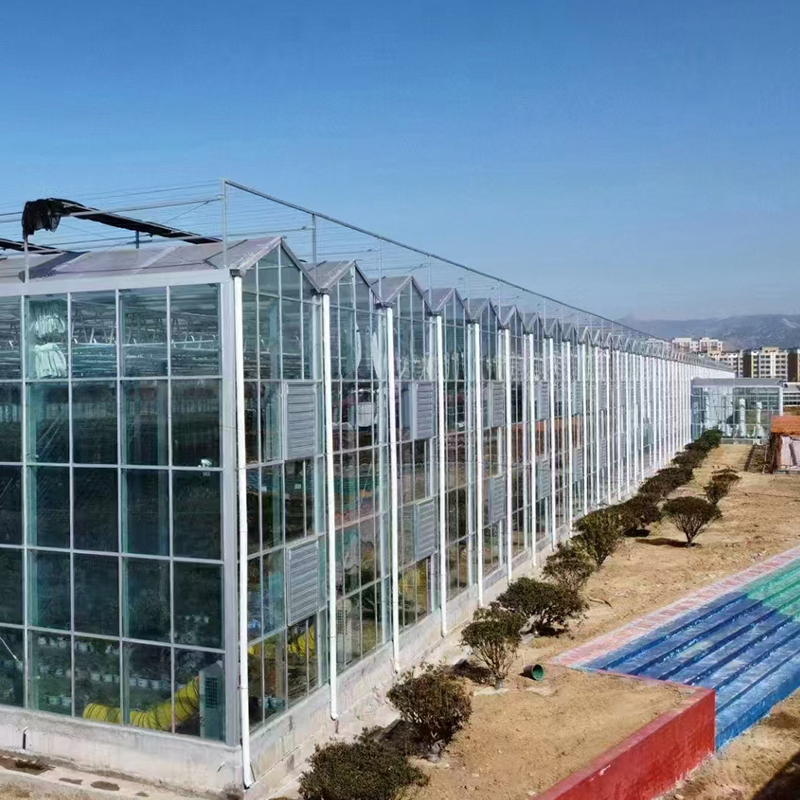
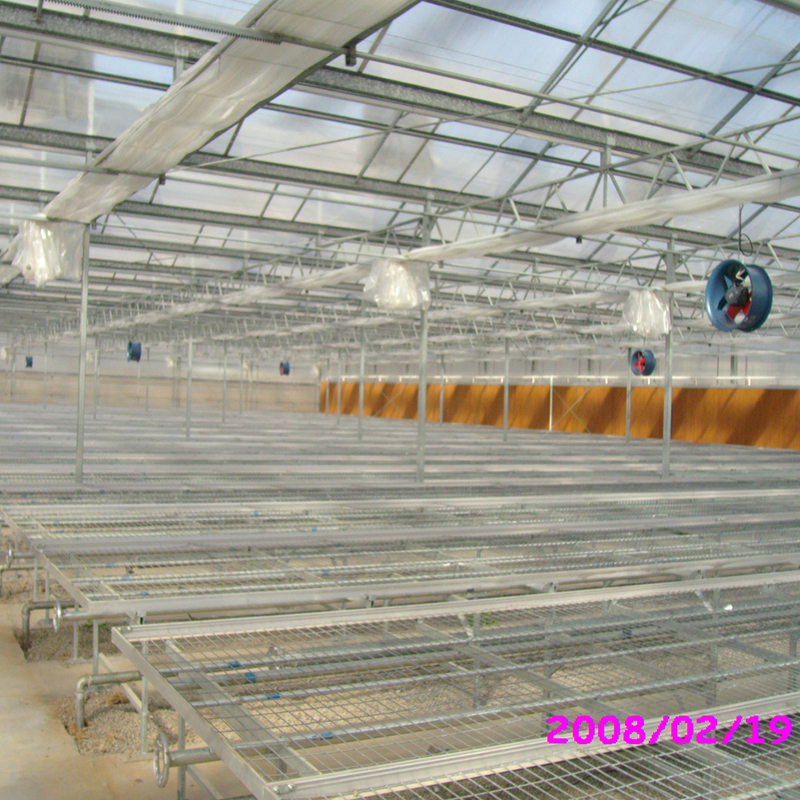
Technological innovation is the core driving force for the development of plant factories, and the iterative upgrading of hydroponic greenhouses and plastic greenhouses has become an important support for technology implementation. Traditional planting models are restricted by natural conditions, making it difficult to ensure stable yield and quality. In contrast, hydroponic greenhouses create optimal conditions for crop growth by precisely regulating environmental parameters such as temperature, humidity, light, and nutrient solution, completely changing the situation of "depending on the weather for food". With the advantages of controllable costs, convenient construction, and strong adaptability, plastic greenhouses have become an important choice for the large-scale layout of plant factories. After technological upgrading, new-type plastic greenhouses not only have stronger wind and pressure resistance but also improve light utilization efficiency. Combined with an intelligent control system, they can precisely match the needs of planting methods such as hydroponics, greatly improving the operational efficiency of plant factories.
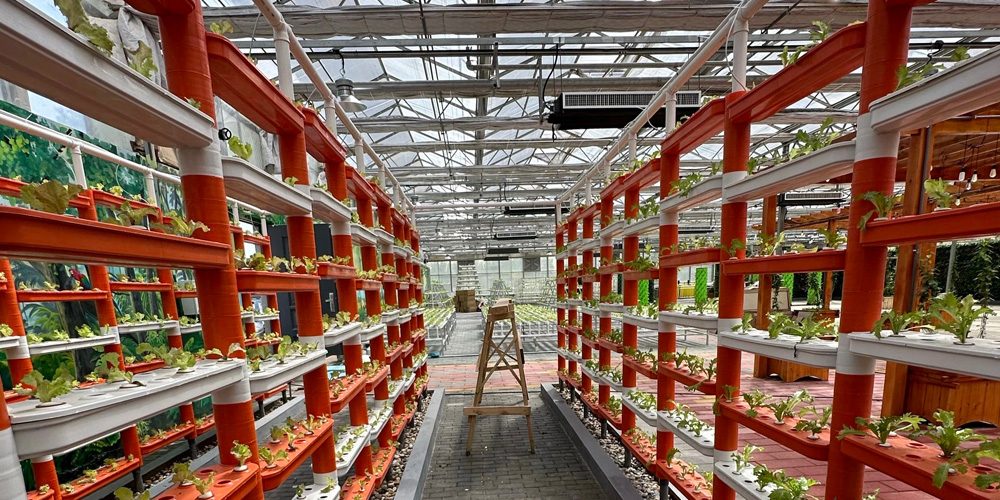
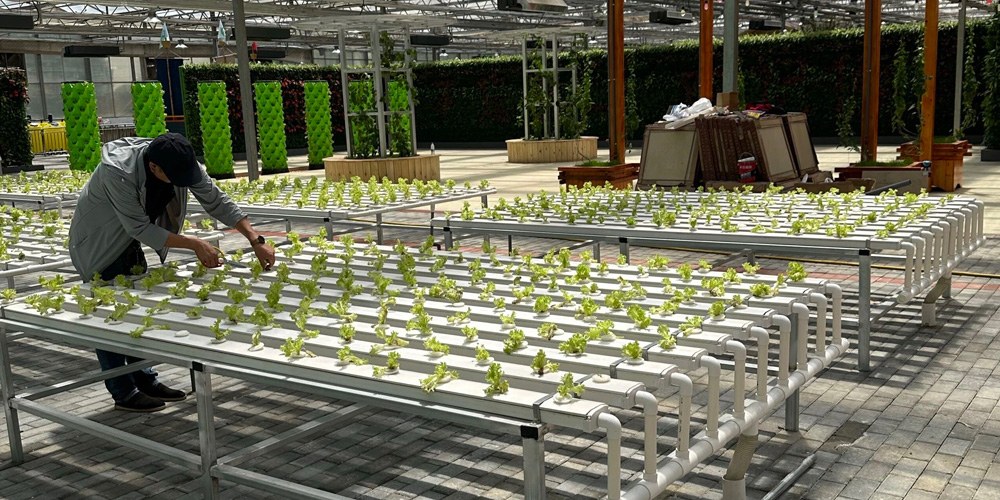
As the core planting mode of plant factories, soilless planting is deeply integrated with hydroponics technology, demonstrating the scientific and technological advantages of future agriculture. Different from traditional soil planting, soilless planting eliminates the problems of soil pollution and soil-borne diseases. It provides crops with precise and balanced nutrients through artificially prepared nutrient solutions. As the most mature and widely used method in soilless planting, hydroponics further achieves efficient nutrient absorption and water conservation. In plant factories, the combination of hydroponics and soilless planting shortens the growth cycle of leafy vegetables such as lettuce and spinach by more than 30%, and increases yield by 4–5 times compared with traditional planting. Meanwhile, it avoids the use of pesticides and chemical fertilizers, and the produced crops meet green and safety standards, catering to consumers' demand for healthy agricultural products.
Green and sustainable development has become the mainstream trend of agricultural development. Through the coordinated application of hydroponic greenhouses, plastic greenhouses, hydroponics, and soilless planting, plant factories have constructed a circular and efficient green production system. The closed design of hydroponic greenhouses and plastic greenhouses reduces the loss of water resources and nutrients.
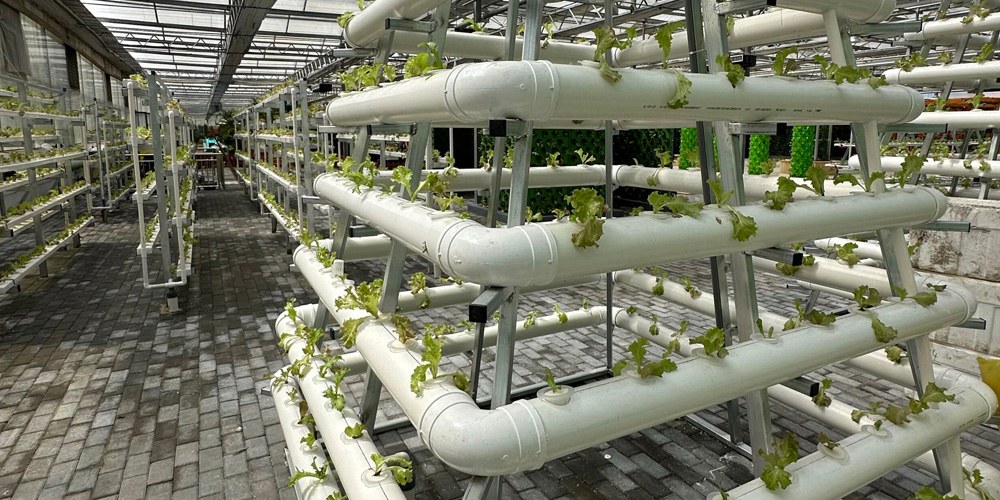
Combined with the nutrient solution circulation system of hydroponics, water resource utilization efficiency can be increased by more than 95%, and nutrient recovery efficiency reaches 90%, truly realizing "zero emissions" or resource utilization.
Soilless planting fundamentally eliminates problems such as soil degradation and pesticide residues. Plastic greenhouses adopt degradable environmentally friendly materials to reduce environmental pollution risks. Working together with hydroponic greenhouses, they make plant factories a model of green agriculture and promote the coordinated development of agricultural production and the ecological environment.
Industrial integration and policy support have broadened the development space for plant factories and continuously expanded the application scenarios of hydroponic greenhouses, hydroponics, soilless planting, and plastic greenhouses. Nowadays, plant factories are no longer limited to single-crop planting but are deeply integrated with sightseeing agriculture and urban agriculture. Plastic greenhouses and hydroponic greenhouses are built into comprehensive scenarios integrating planting, science popularization, and picking, allowing citizens to experience the charm of soilless planting and hydroponics up close. Meanwhile, the national 14th Five-Year Plan clearly supports agricultural technological innovation and green development. A series of policies such as tax reductions and financial subsidies provide guarantees for the large-scale development of plant factories, promoting the popularization of hydroponics and soilless planting technologies, as well as the upgrading and transformation of hydroponic greenhouses and plastic greenhouses.
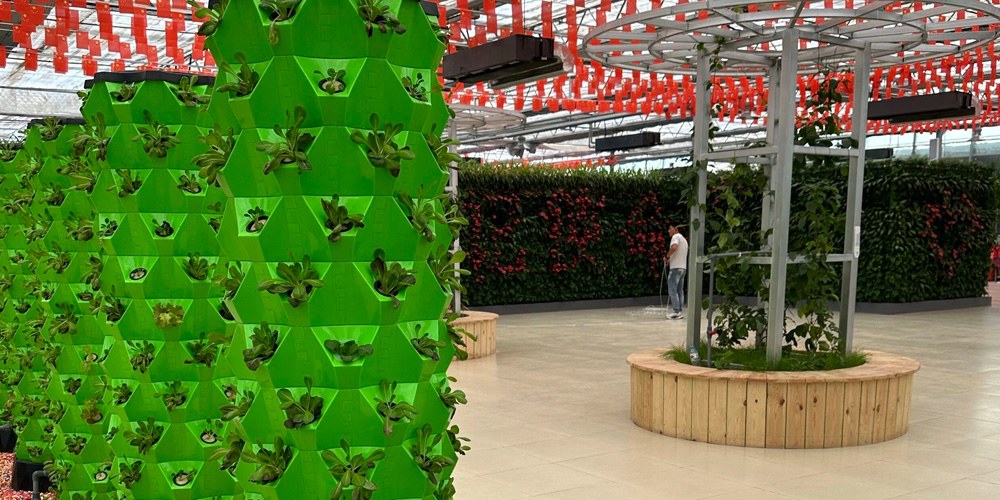
The continuous growth of market demand further confirms the broad prospects of plant factories. With the rising demand for livestock products and green vegetables, high-quality forage and vegetables cultivated through soilless planting and hydroponics in hydroponic greenhouses and plastic greenhouses not only provide high-quality raw materials for the feed industry but also meet consumers' demand for safe food. This production model relying on the four core elements not only has technological advantages and conforms to the green development trend but also realizes the integration of upstream and downstream resources through industrial collaboration, forming strong market competitiveness.
In the future, with the continuous deepening of technology, hydroponic greenhouses will become more intelligent, plastic greenhouses will be upgraded toward energy conservation and multi-functionality, and hydroponics and soilless planting technologies will become more mature and efficient. Continuing to rely on these four core elements, plant factories will break the boundaries of traditional agriculture, promote the upgrading of the agricultural industry, inject new vitality into rural revitalization, and write a new chapter of green, efficient, and sustainable development for future agriculture.
