


The Lighting Revolution: In-Depth Analysis of Energy Consumption and Costs for LED vs. Traditional Lighting in Phalaenopsis Greenhouses
In the controlled cultivation of Phalaenopsis, light is not only the energy source for photosynthesis but also the "switch" that regulates flowering and quality. Facing the technological shift between LED and traditional High-Pressure Sodium (SON-T) lamps, growers often find themselves in a dilemma: stick with the traditional solution with its lower initial cost, or embrace energy-saving, long-life LED technology? This article combines the common scenarios of plastic tunnel greenhouses and glass greenhouses to conduct an in-depth analysis of the energy consumption and cost structures of both options.
I. Lighting Showdown: From "Heat Emitter" to "Light Recipe"
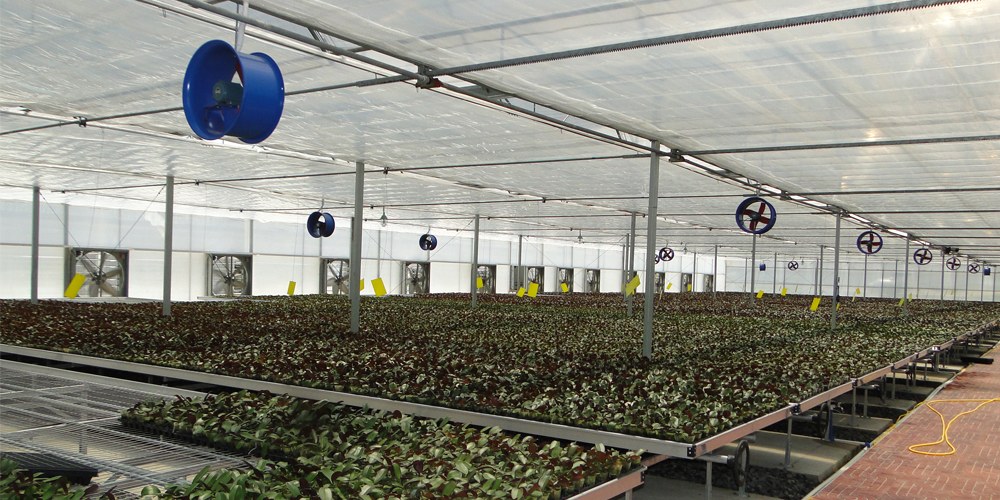
Traditional lighting, represented by High-Pressure Sodium (HPS) lamps, generates a significant amount of radiant heat along with its characteristic yellow-orange light due to its operating principle. In an enclosed glass greenhouse, this heat can be utilized to aid heating in winter. However, during spring, autumn, or on sunny days, this excess heat forces ventilation windows to open, leading to heat loss and energy waste. In contrast, LED, as a semiconductor light source, efficiently converts electrical energy into specific wavebands of light usable by plants (such as red and blue light), producing virtually no radiant heat. This characteristic grants growers significant control over the environment. In a Phalaenopsis greenhouse, where precise temperature control is crucial, the "cool light" nature of LEDs avoids the risk of scorching leaves, bringing the crop canopy temperature closer to the ideal value, which is beneficial for optimizing leaf area and root-to-shoot ratio.
II. The Energy Account: More Than Just Simple Electricity Savings
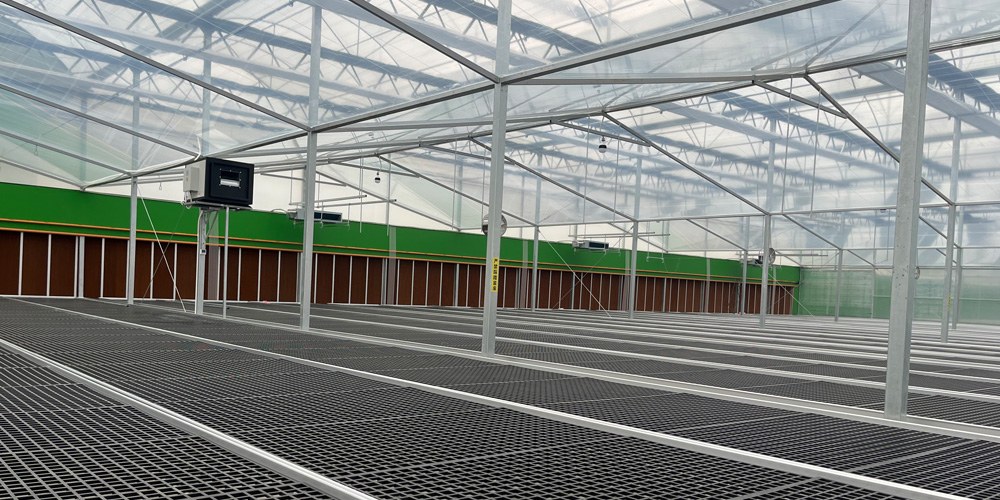
When comparing energy consumption, the advantage of LEDs is clear. Data shows that the power required per micromole (µmol) of photosynthetically active radiation (PAR) for an all-LED system is almost half that of HPS lamps. However, the calculation involves not only electricity consumption but also "heat savings."
Taking a plastic tunnel greenhouse as an example, its insulation performance is inferior to that of a glass greenhouse. If HPS lamps are used at night, although the radiated heat lost from the structure provides some supplemental warmth, the useless heat dissipated upwards by the lamps is lost through the covering material. LEDs, however, being closer to the crop and emitting directional light, trap the heat within the plant zone. More importantly, LEDs reduce the need for ventilation to remove excess heat. In real-world cases within Phalaenopsis greenhouses, after switching to LEDs, because opening vents to cool the lamps was no longer necessary, the greenhouse could be sealed more tightly. Combined with the use of multi-layer thermal screens, this significantly reduced gas consumption for heat pumps or boilers. Some growers have calculated that by recovering waste heat from water-cooled LEDs and reducing ventilation losses, they could save approximately 200,000 cubic meters of natural gas annually. This represents the hidden benefit in the "energy consumption" account – a slight increase in electricity costs could potentially lead to a significant reduction in heating costs.
III. The Cost Trade-off: Initial Investment vs. Lifecycle Return
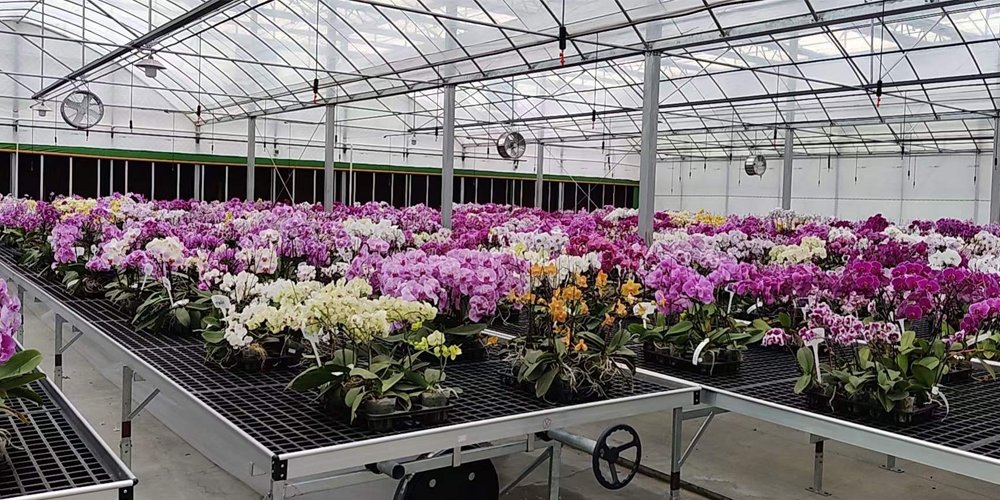
Cost is a critical factor in the selection process. The procurement cost of HPS lamps is far lower than that of LEDs, and the supporting technology, such as ballasts and reflectors, is mature, resulting in lower initial investment pressure. However, the differences in the configuration of the electrical control cabinet create a turning point in this trade-off.
The modern electrical control cabinet is the core of intelligent lighting. For HPS lamps, the control cabinet primarily manages on/off switching and simple timed sequences. Moreover, HPS lamps require a high-voltage pulse to start, cannot be restarted immediately after being turned off, and are difficult to dim. In contrast, the electrical control cabinet for an LED system is much more complex, integrating PLC modules, DALI dimming controllers, and energy monitoring modules. While this system increases initial costs, it provides the flexibility for implementing a "light recipe": operating at full intensity during off-peak electricity price periods, and using dimming functions to reduce consumption during peak price hours or when sufficient sunlight is available. For example, during the propagation stage in a Phalaenopsis greenhouse, the infinitely dimmable nature of LEDs allows for "filling" the required daily light integral (DLI) with high intensity over a short period. This "temperature integration" strategy is impossible to achieve with HPS lamps.
Therefore, the cost comparison must adopt a "lifecycle" perspective. LED fixtures typically have a lifespan exceeding 50,000 hours with slow lumen depreciation, whereas HPS lamps may require lamp and ballast replacement every 1-2 years. Considering the labor costs associated with working at height in a glass greenhouse for replacements, along with the quality improvements offered by LEDs (such as more robust root systems and more uniform flowering), their long-term return on investment often proves superior.
IV. Facility Adaptation: Synergy from Control to Environment
The structure of different facilities dictates the direction of lighting selection.
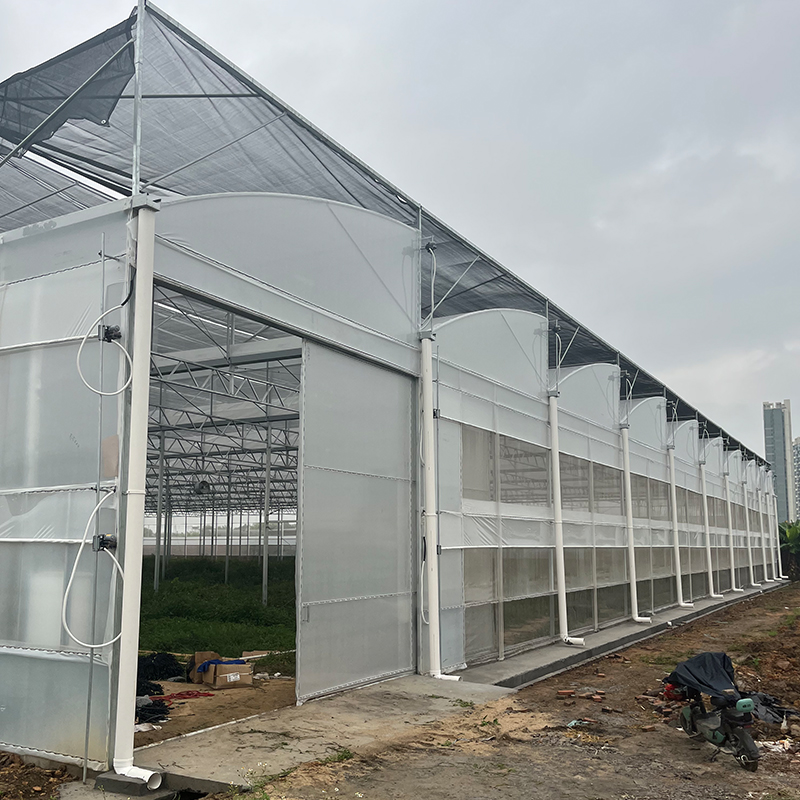
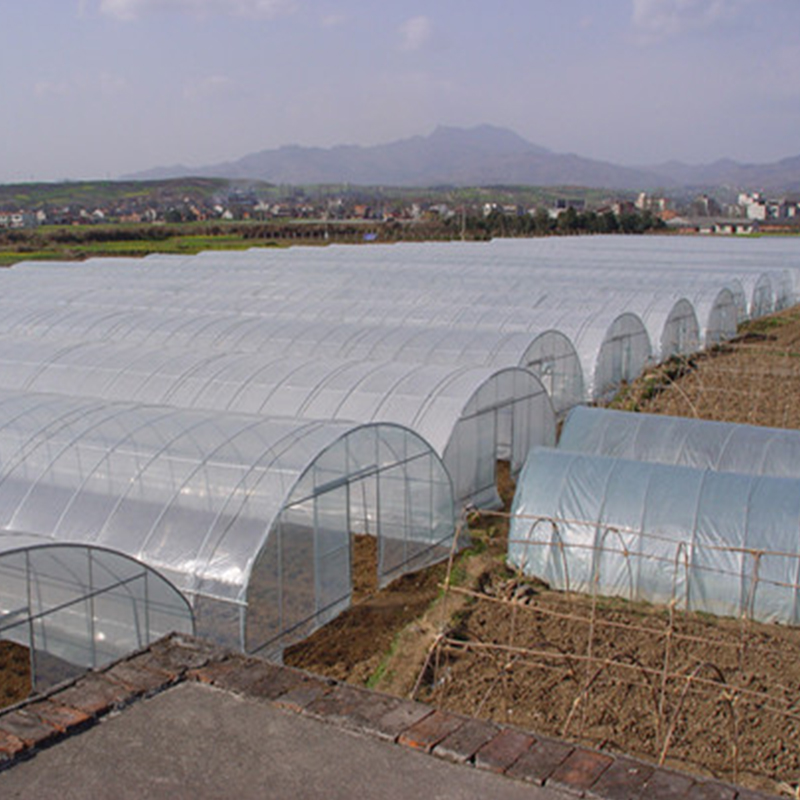
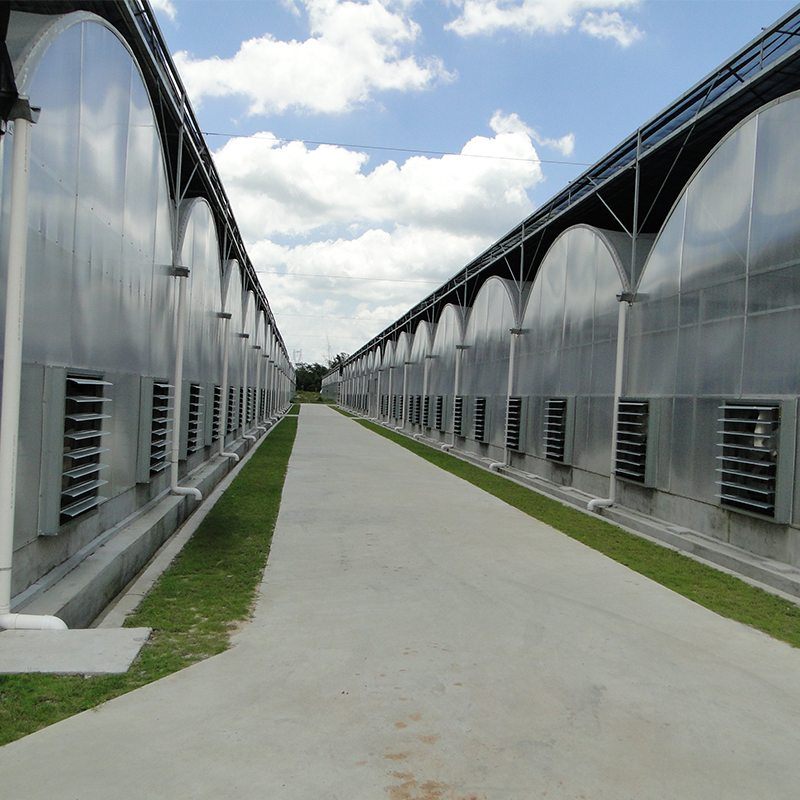
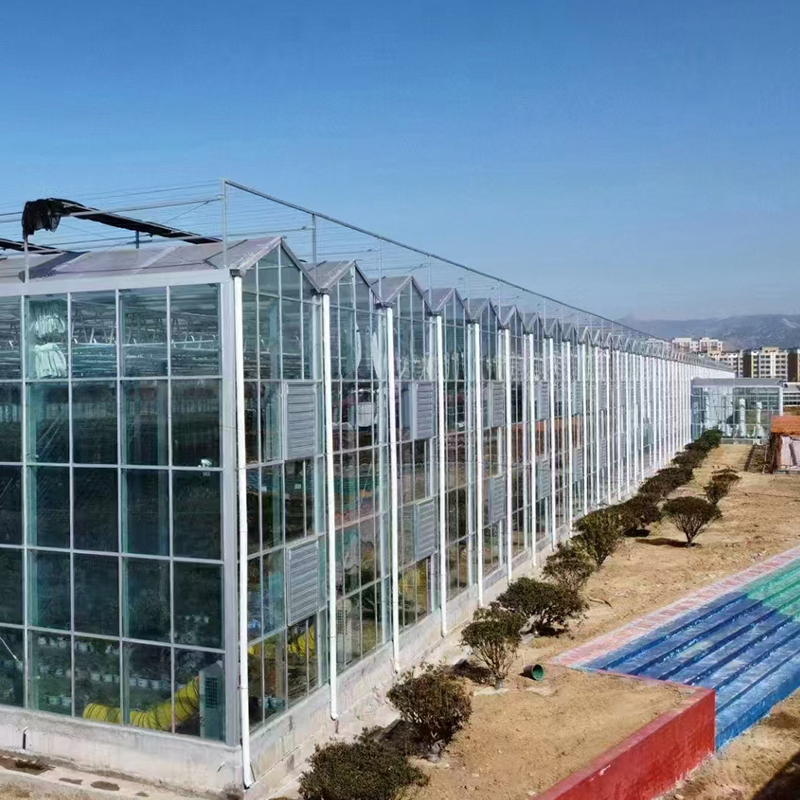
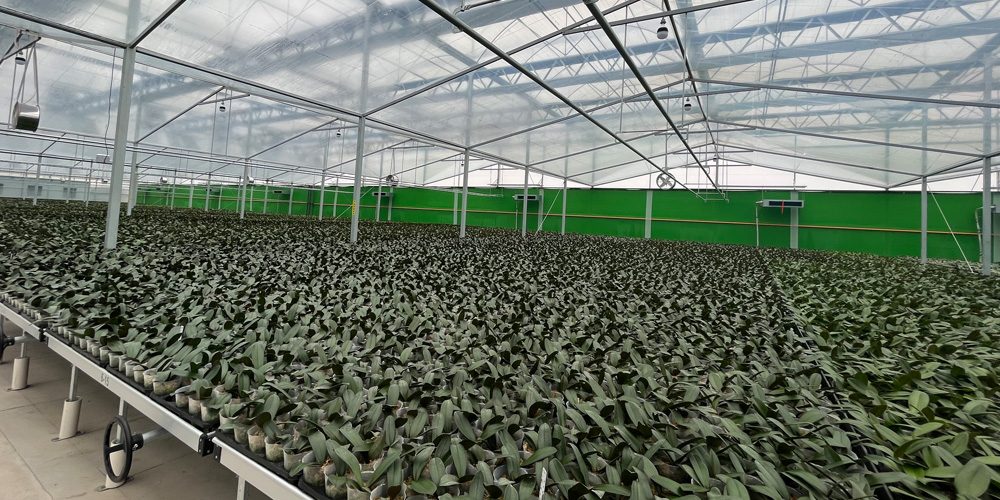
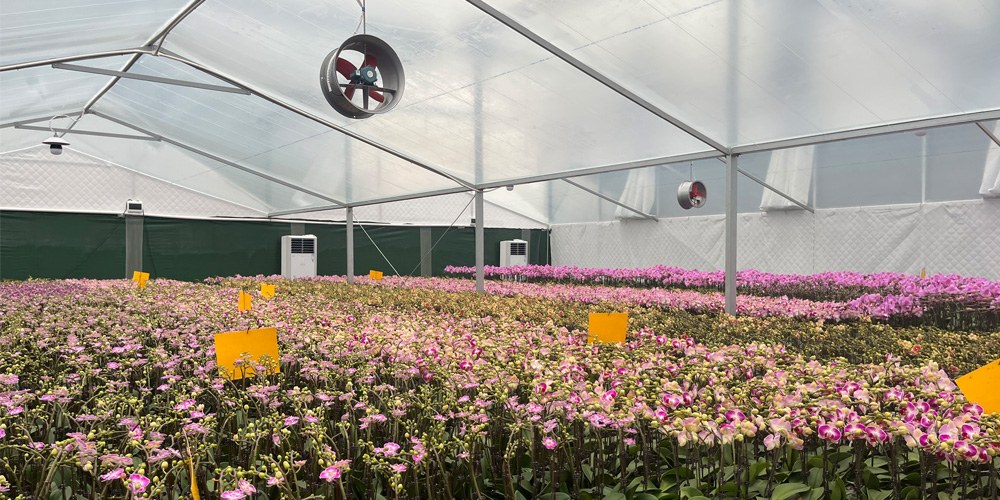
In a plastic tunnel greenhouse, due to its relatively low height and poor insulation, using HPS lamps requires strict adherence to hanging heights (e.g., at least 0.8 meters above plants) to prevent scorching. Nighttime supplemental lighting can easily cause drastic temperature fluctuations inside the tunnel. The low-heat characteristics of LEDs make them more suitable for such confined spaces, allowing them to be placed closer to the crop, thereby improving light use efficiency.
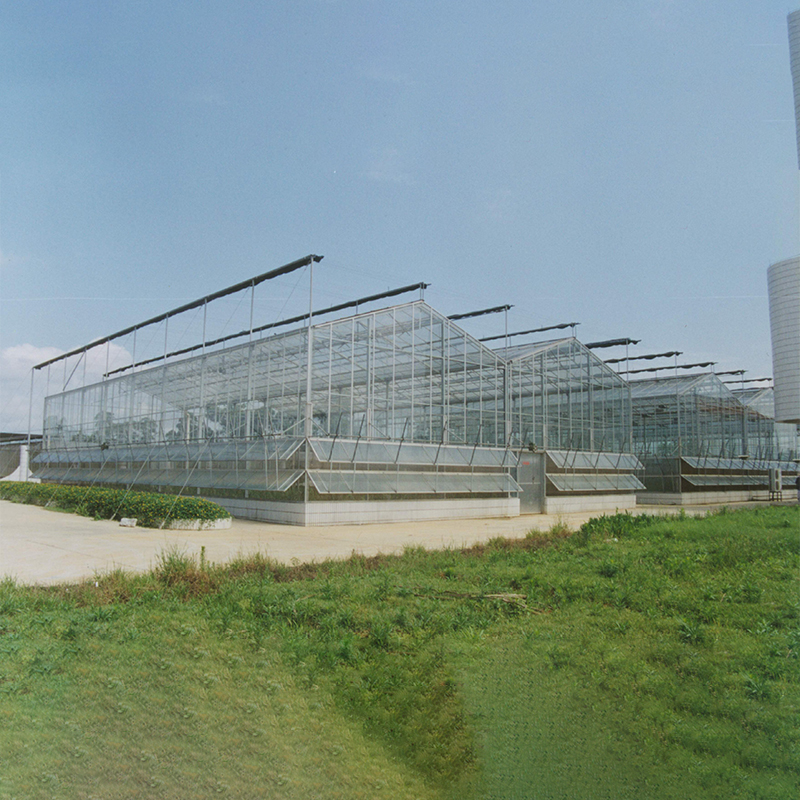
In a glass greenhouse, while the tall, spacious structure is suitable for hanging heavier HPS fixtures, modern intelligent glass greenhouses tend towards integration with the electrical control cabinet to achieve unified environmental control. Through intelligent controllers within the electrical control cabinet, the LED system can seamlessly connect with light sensors, timers, and climate computers, dynamically adjusting supplemental light intensity based on available sunlight. This not only maximizes the utilization of natural light but also avoids the rigid "on/off" operation of traditional lighting, achieving truly on-demand illumination. Furthermore, maintenance lighting within the electrical control cabinet itself has also widely adopted LEDs, not only for their energy efficiency but also for their instant-on capability and high tolerance for frequent switching, greatly facilitating technical staff performing nighttime inspections and repairs on the wiring inside the cabinet.
Comparison Dimension | Traditional Lighting (Represented by HPS) | LED Lighting |
Energy Performance | Lower luminous efficacy; ~50% of energy converted to radiant heat. Aids heating in winter but causes overheating and ventilation heat loss in spring/autumn. | High efficacy, energy consumption roughly half that of HPS. Directional light with no radiant heat, facilitates greenhouse sealing and heat retention, significantly reducing gas consumption. |
Cost Structure | Low initial cost, but high operating electricity costs. Contains mercury (environmental concern). Frequent lamp replacements required. | High initial cost, but significant lifecycle returns. Dimming via electrical control cabinet saves electricity. Maintenance-free. |
Control Performance | Requires high voltage for startup; cannot be restarted immediately after shutdown. Difficult to dim (requires special dimming ballast). Slow response. | Infinitely dimmable, rapid response. Compatible with electrical control cabinets for precise spectrum and photoperiod management. |
Facility Adaptation | In plastic tunnels: requires careful hanging height to avoid burns. In glass greenhouses: ventilation needs must be considered to remove excess heat. | Adapts well to low-height plastic tunnels. Enables "temperature integration" and intelligent management in glass greenhouses. |
For a Phalaenopsis greenhouse, choosing LEDs is not merely a simple technology replacement, but an upgrade in energy management and production precision. Although the initial investment for LEDs in a plastic tunnel or glass greenhouse may seem daunting, the precise scheduling enabled by intelligent electrical control cabinets, along with the resulting sharp reduction in energy consumption and improvement in plant quality, is redefining the cost boundaries of modern horticulture. In an era of fluctuating energy prices, LEDs undoubtedly hold the "key" to the future of light.
