


Five Key Strategies for Controlling Gray Mold in Strawberry Greenhouses Under High Humidity Environments
In strawberry cultivation, gray mold is one of the most destructive diseases in high-humidity environments. Caused by Botrytis cinerea, it spreads rapidly in damp, enclosed conditions, leading to flower rot and the formation of a gray mold layer on fruit surfaces. In severe cases, it can reduce yield by over 30% or even lead to total crop loss. As a production unit with artificially controlled conditions, strawberry greenhouses can provide a stable growing environment but are also prone to becoming breeding grounds for diseases if humidity management is inadequate. This article systematically explains five key prevention and control techniques tailored to different cultivation environments, helping growers effectively combat gray mold.
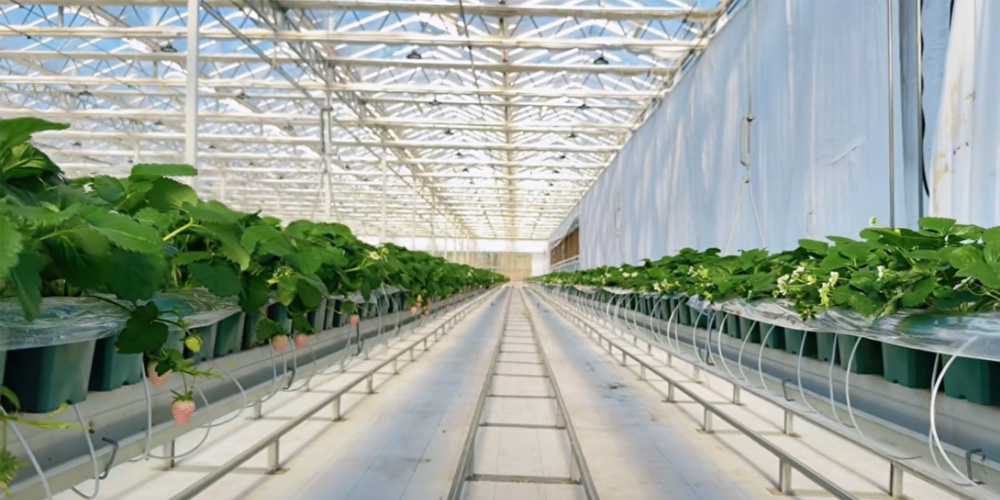
Technique 1: Precise Environmental Control to Break the High-Humidity Disease Cycle
Environmental control is fundamental to gray mold prevention. The key is to maintain air relative humidity consistently below 70%, especially during the flowering and fruiting stages.
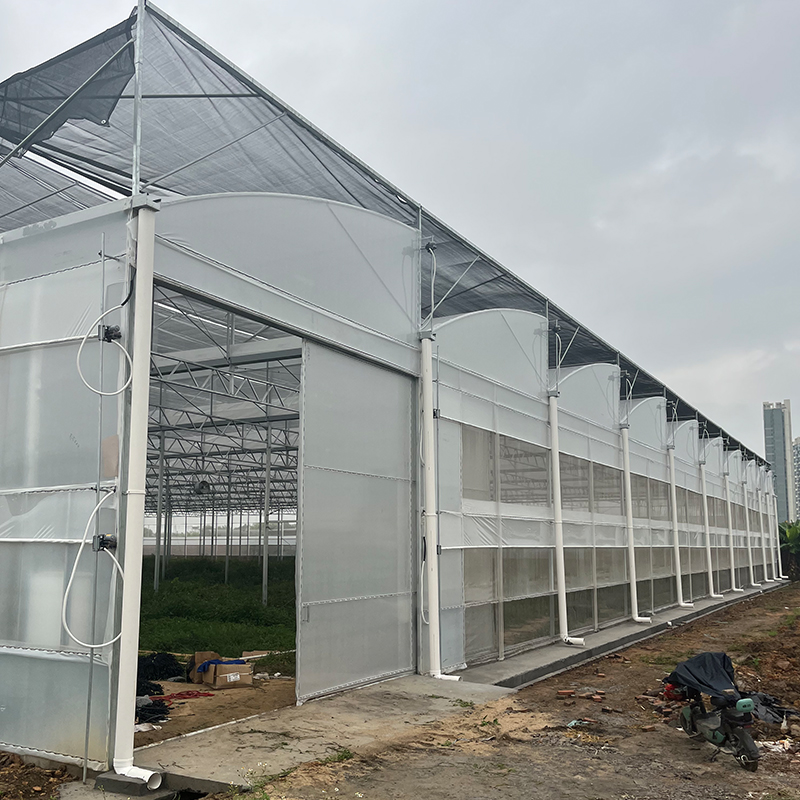
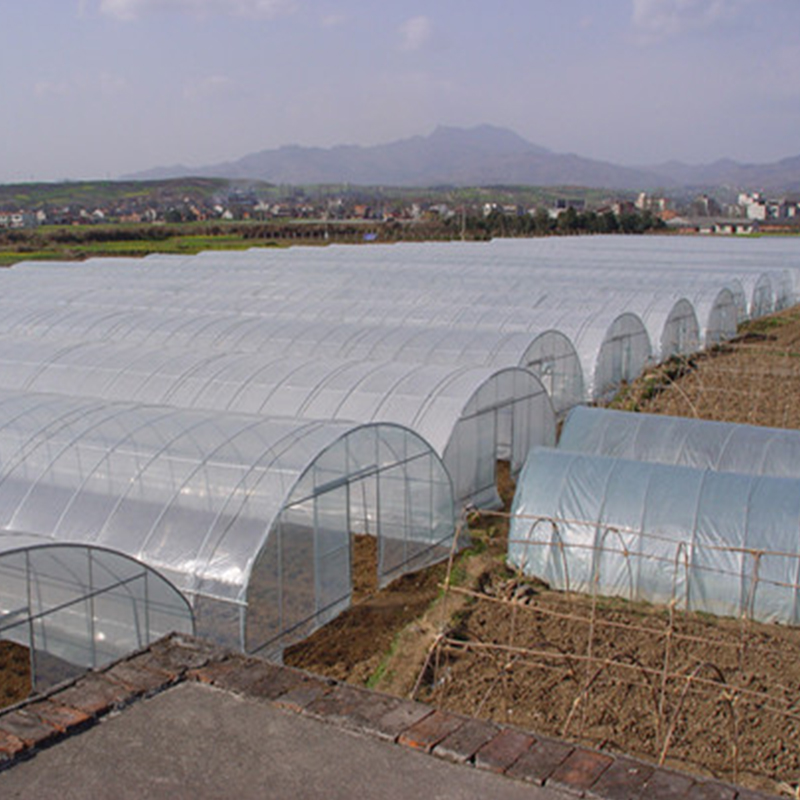
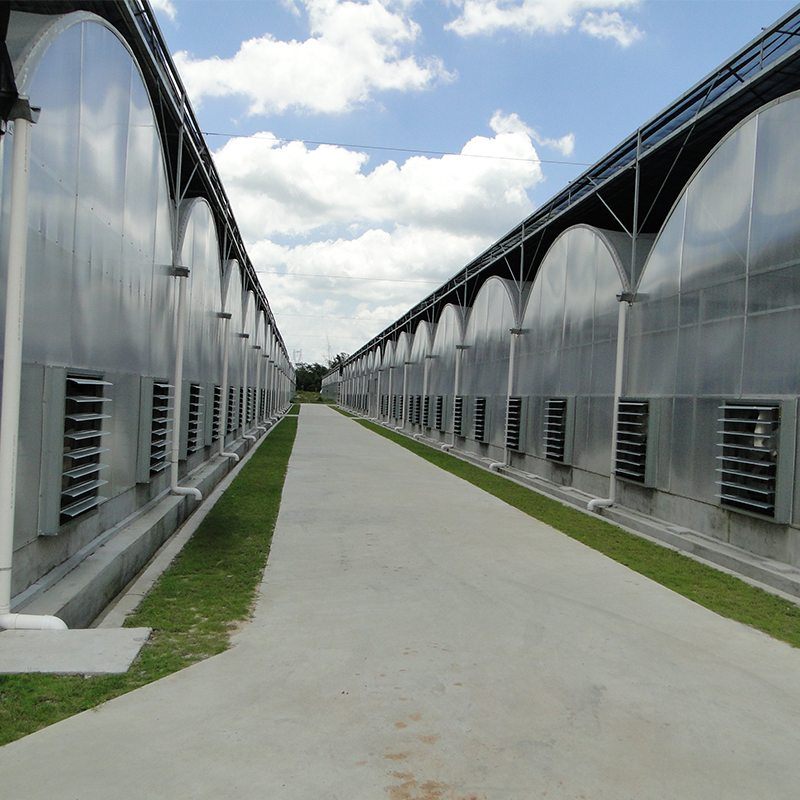
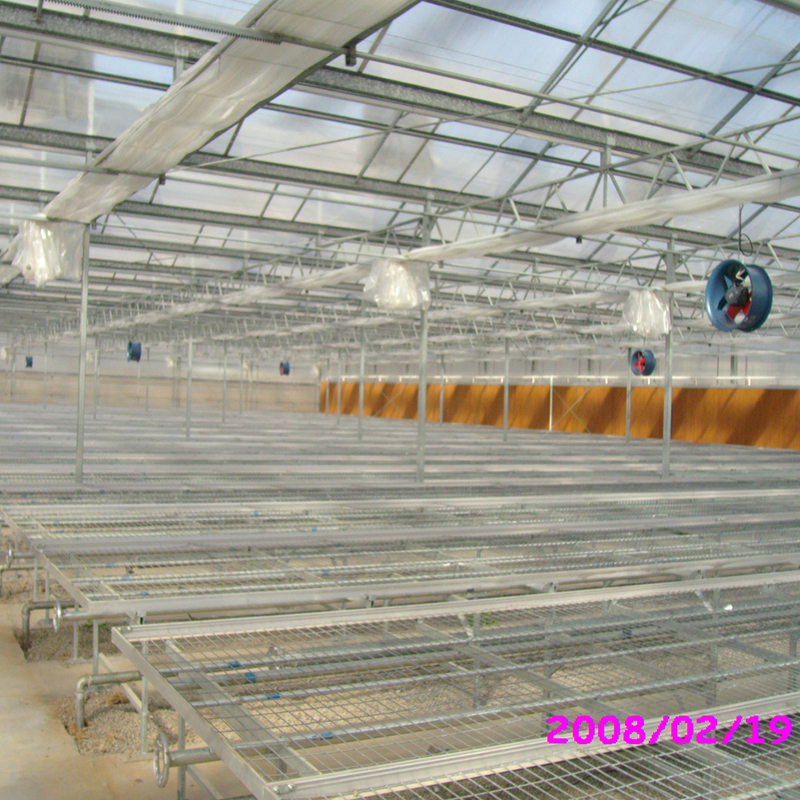
In plastic polytunnel greenhouses, the covering material has relatively poor breathability, and large temperature differences between day and night can cause significant condensation on the inner film, increasing humidity. The following measures are recommended: First, optimize ventilation by adding motorized roll-up vents at the top and sidewalls to facilitate air circulation. On sunny days, ventilate gradually after the internal temperature rises in the morning to avoid sudden condensation caused by the influx of cold outdoor air. Second, if conditions permit, install dehumidifiers or pad-fan systems to actively regulate humidity. Third, use high-transparency, anti-drip, and anti-fog PO or EVA films to prevent water droplets from falling directly onto plants.
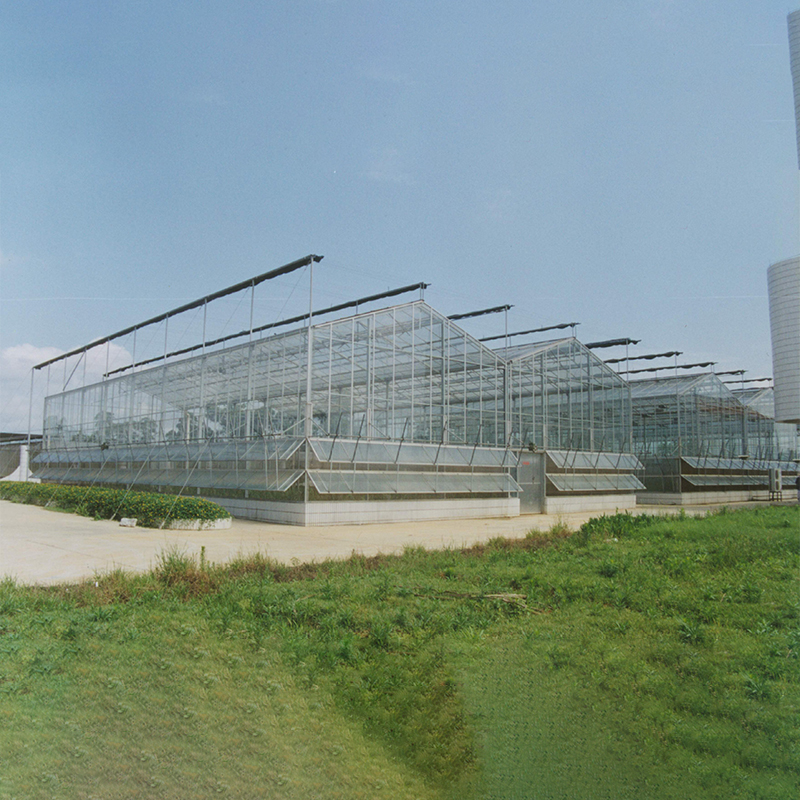
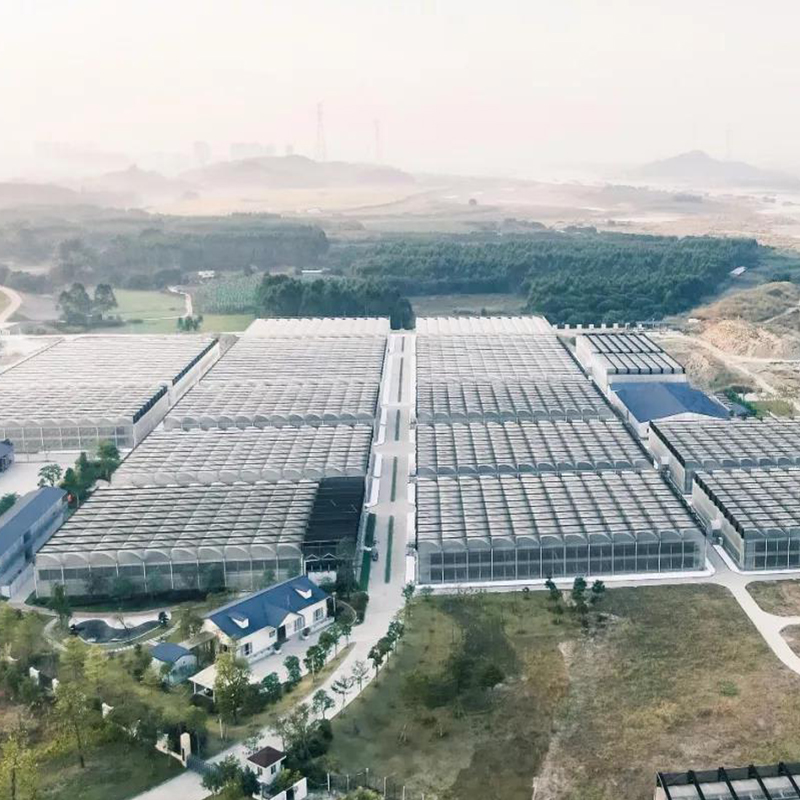
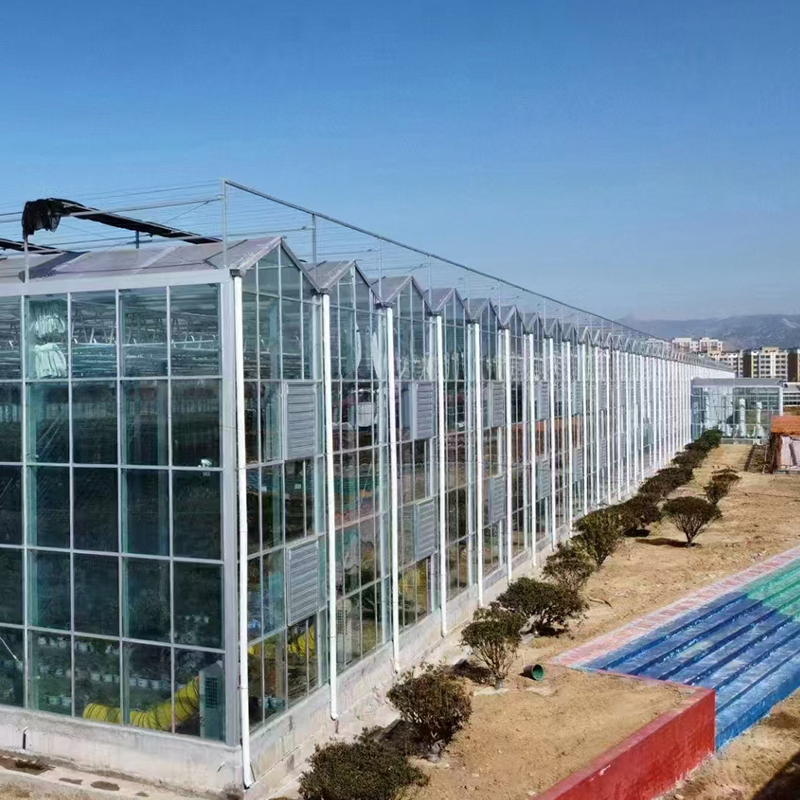
In contrast, glass greenhouses offer better sealing and are suitable for more advanced environmental control equipment. Integrated systems, including heating, internal circulation fans, roof windows, and side vents, can be automatically managed by environmental computers. Slightly raising the air temperature (even by just 1–2°C) significantly reduces relative humidity, making this an effective method for disease prevention in glass greenhouses. Additionally, using internal circulation fans to continuously stir the air disrupts the stagnant, high-humidity microclimate on leaf surfaces, keeping foliage dry.
Regardless of the greenhouse type, ground cover is crucial. Fully covering planting beds with black plastic mulch not only suppresses weeds but also significantly reduces soil moisture evaporation, lowering humidity at its source.
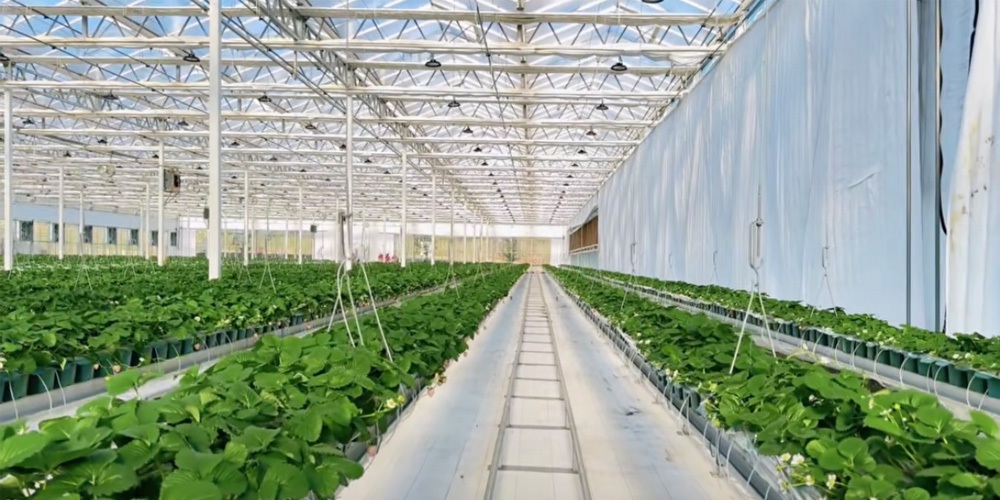
Technique 2: Optimize Cultivation Systems to Create an Unfavorable Environment for Disease
Cultivation management strategies directly influence the microclimate and plant resistance.
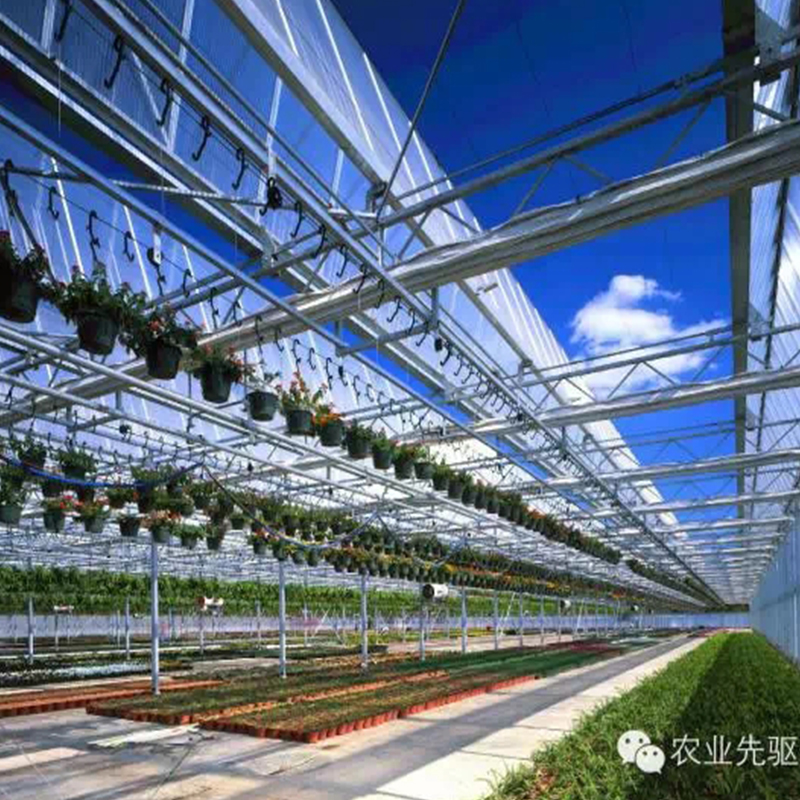
Adopting soilless planting methods is a revolutionary approach to disease prevention. Using coconut coir, rockwool, or strawberry-specific substrate bags, troughs, or elevated beds enables precise water and nutrient delivery, avoiding sudden humidity spikes caused by fluctuations in traditional soil moisture. Substrate cultivation, typically paired with drip irrigation systems, supplies water on demand, minimizing excess moisture evaporation into the air. Furthermore, soilless planting separates plants from soilborne pathogens, cutting off the source of soil-transmitted diseases and providing a cleaner growing environment. Elevated cultivation further improves root zone aeration and keeps fruits away from soil splash, which may carry pathogens during wet weather.
Proper plant spacing and management are equally critical. In strawberry greenhouses, ensure appropriate plant and row spacing based on variety characteristics to maintain good ventilation and light penetration. Regularly remove old leaves, diseased leaves, and non-productive side shoots, especially those close to the base where humidity is highest and disease often starts first. Removed plant debris must be promptly taken out of the greenhouse and disposed of centrally, never left casually on walkways.
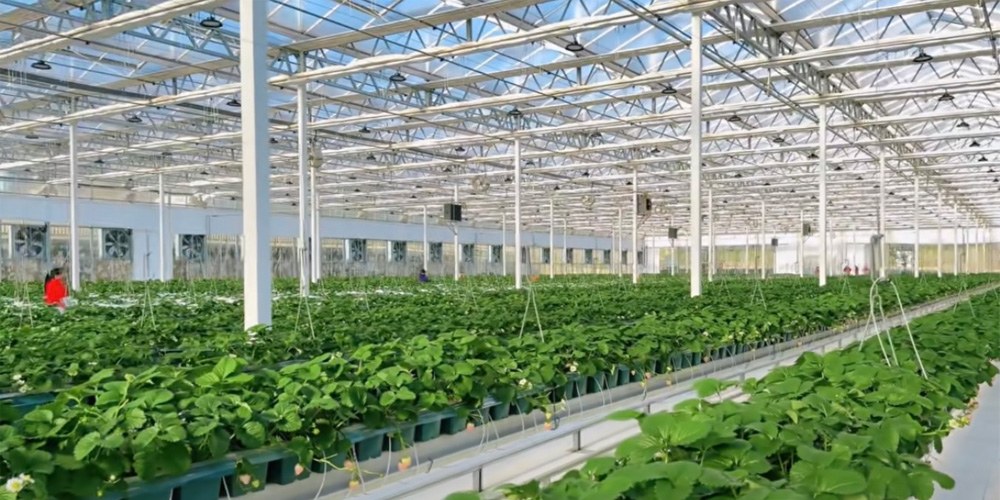
Technique 3: Combine Physical and Ecological Methods to Build a Multi-Layered Defense
Physical barriers and ecological regulation are environmentally friendly and long-lasting supplementary measures.
Installing insect-proof nets with 60 mesh or finer at vents and doorways helps keep pests out and somewhat slows the direct influx of humid outside air. For older or structurally simple plastic polytunnel greenhouses, consider adding an inner layer of high-light-transmission non-woven fabric (ensuring safety) to cover at night, which can help raise the inner wall temperature and reduce condensation.
Promote the use of films with UV-blocking or light-converting functions. Research indicates that specific ultraviolet wavelengths can stimulate the formation and activity of gray mold spores. Adding UV-blocking agents to plastic greenhouse films or glass coatings can inhibit the development of certain pathogens.
Actively introduce ecological regulation techniques. Planting certain aromatic plants inside or around the greenhouse, or regularly hanging bags containing beneficial microorganisms such as Bacillus spp. or Trichoderma spp., can suppress gray mold populations through competition or antagonism.
Technique 4: Intelligent Monitoring and Targeted Chemical Application for Precise Intervention
Establishing a disease early warning system shifts the focus from passive treatment to active prevention.
Deploy wireless temperature and humidity sensors in key areas of the strawberry greenhouse (e.g., within the plant canopy) for real-time monitoring and set alert thresholds. When humidity exceeds 85% for 2–3 consecutive hours, the system should automatically alert managers to initiate ventilation or dehumidification. This is particularly important for managing large multi-span glass greenhouses or clusters of plastic polytunnel greenhouses.
Chemical control should follow the principle of "prevention first, precise application." During high-risk periods for gray mold (e.g., before continuous rainy weather, around flowering), prioritize preventive sprays with biological agents such as Bacillus subtilis or Trichoderma harzianum. If chemical fungicides are necessary, choose highly effective, low-toxicity products with different modes of action, such as pydiflumetofen or boscalid, and strictly adhere to rotation practices. Using advanced application equipment like electrostatic sprayers or misters improves droplet deposition on hidden areas like leaf undersides, reduces water usage, and avoids artificially increasing humidity during spraying. Spraying is best done in the morning on sunny days to allow for timely ventilation and humidity reduction afterward.
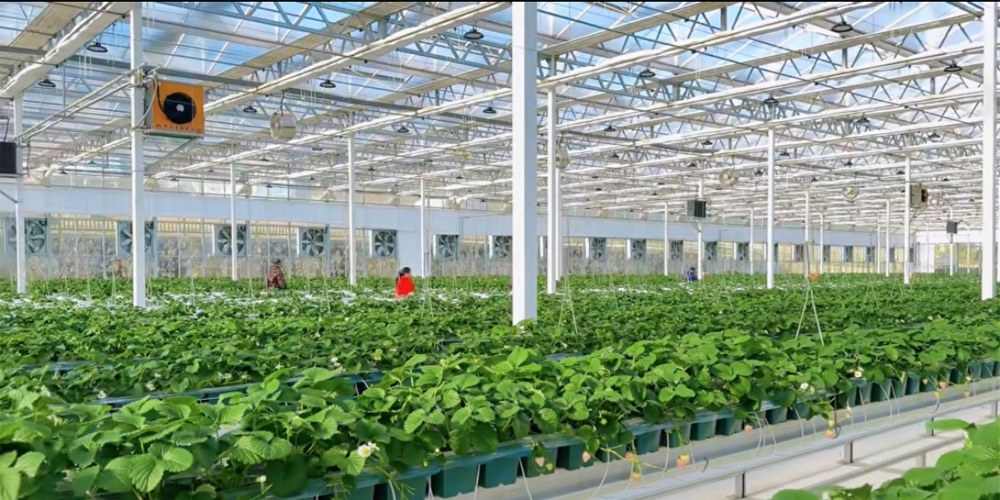
Technique 5: Healthy Cultivation and Integrated Management to Strengthen the Foundation of Control
The foundation of all control techniques lies in cultivating robust plants.
Selecting strawberry varieties with relatively strong disease resistance is the first step. Implementing balanced fertilization, with particular attention to supplementing calcium, silicon, and other trace elements, strengthens cell walls and enhances the plant's physical resistance. This is more easily achieved in soilless planting systems through precise nutrient solution formulation.
Establish and strictly enforce a full-cycle sanitation management system. After each strawberry harvest, conduct thorough cleanup. For soil-based greenhouses, perform deep plowing and soil disinfection. For soilless systems, thoroughly clean and disinfect reused substrates, and meticulously treat cultivation troughs, pipes, and nutrient solution tanks. All production tools, footwear, etc., should also be regularly disinfected to prevent human-mediated pathogen spread.
Controlling gray mold in strawberry greenhouses, especially under high humidity challenges, cannot be achieved by relying on a single measure. It is a systematic project that requires the organic integration of five techniques—environmental control (whether in plastic polytunnel or glass greenhouses), cultivation innovation (especially promoting soilless planting), physical and ecological methods, intelligent monitoring and early warning, and healthy cultivation management—to form a synergistic and effective integrated control system. Only through such meticulous, production-cycle-spanning management strategies can the occurrence and spread of gray mold be effectively curbed, ensuring high yield and quality for the strawberry industry and delivering healthy, delicious fruit.
