


Root Maintenance of Phalaenopsis in Greenhouses: Substrate Selection and Watering Frequency Guide
Phalaenopsis, with its brilliant blooms and graceful form, has become a star plant in greenhouse cultivation. However, maintaining the roots of Phalaenopsis is crucial, especially in greenhouse environments, where substrate selection and watering frequency directly determine success or failure. This article delves into the key aspects of root maintenance for Phalaenopsis in greenhouses, covering guidelines for substrate selection and watering frequency. It also analyzes the impact of different greenhouse types, such as plastic greenhouses and glass greenhouses, as well as the critical role of greenhouse irrigation systems, providing a comprehensive reference for practitioners.

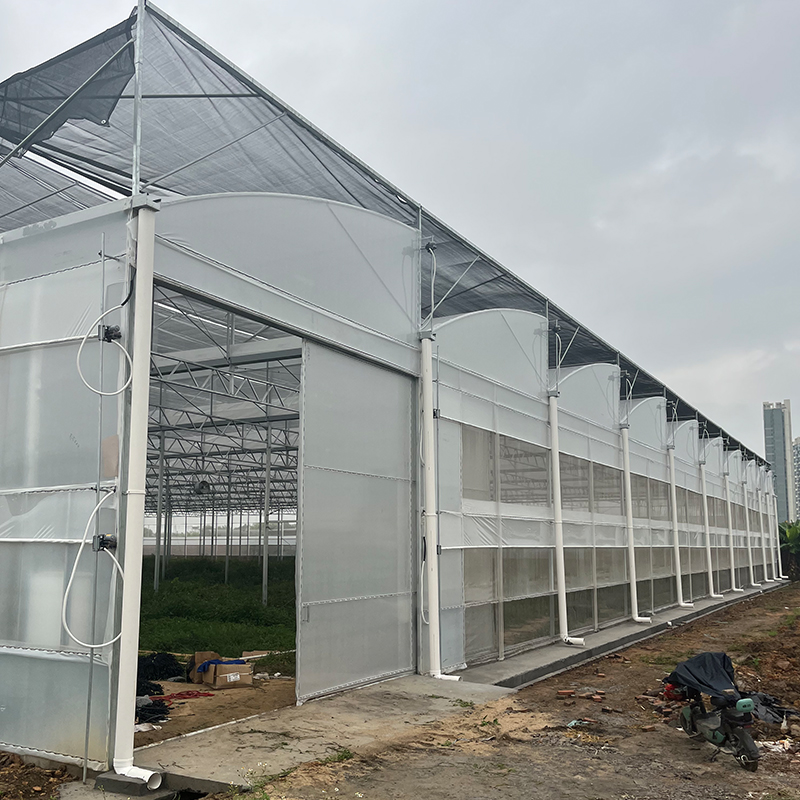
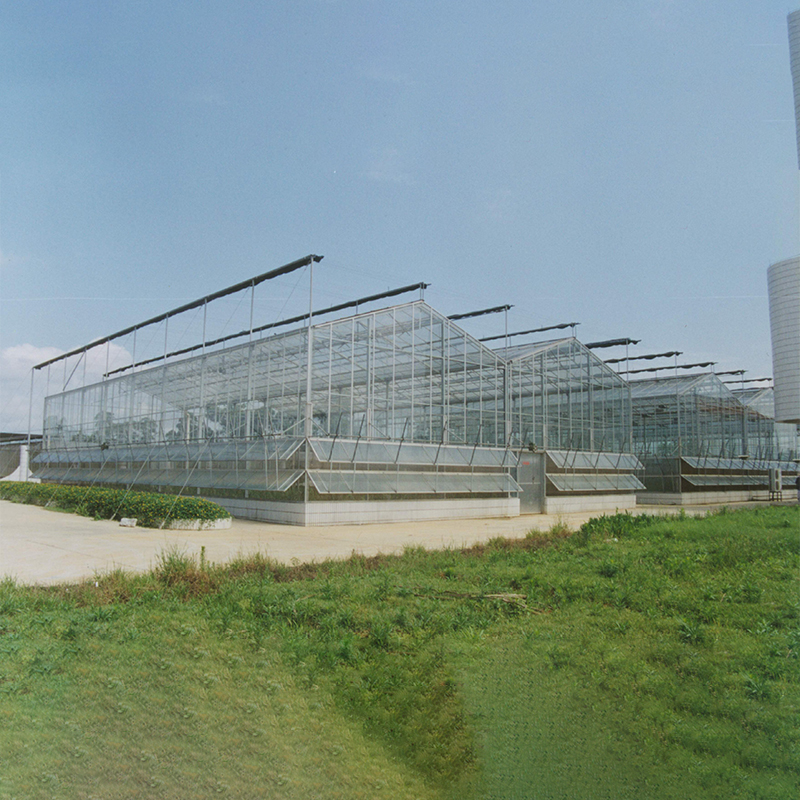
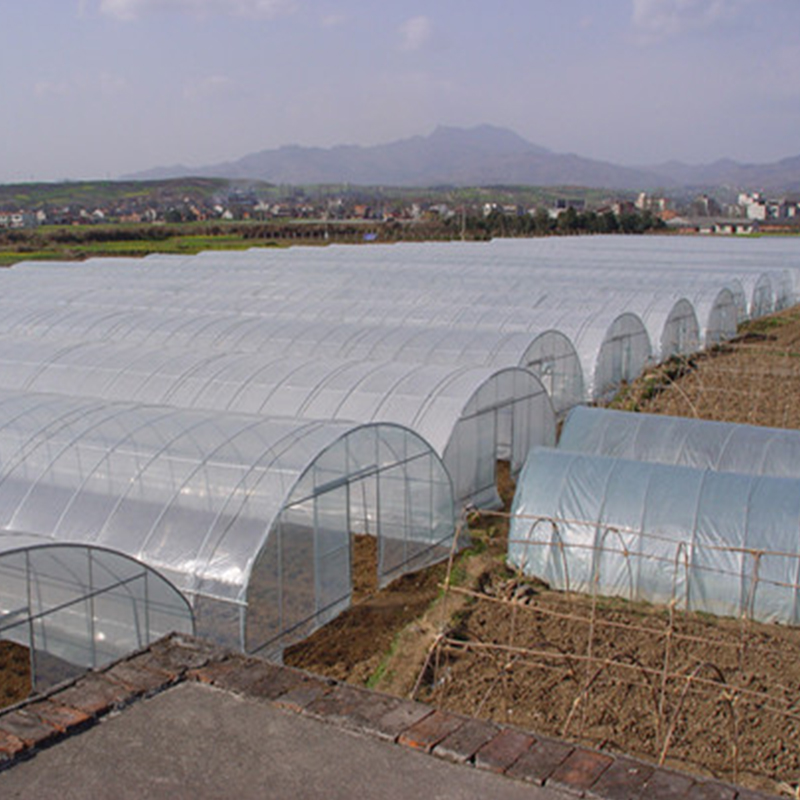
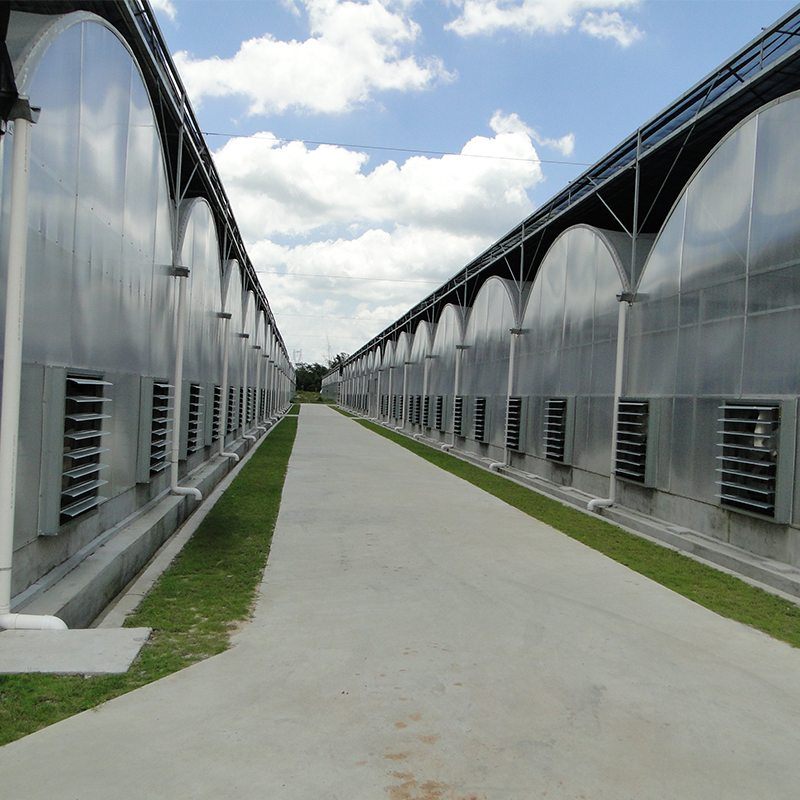
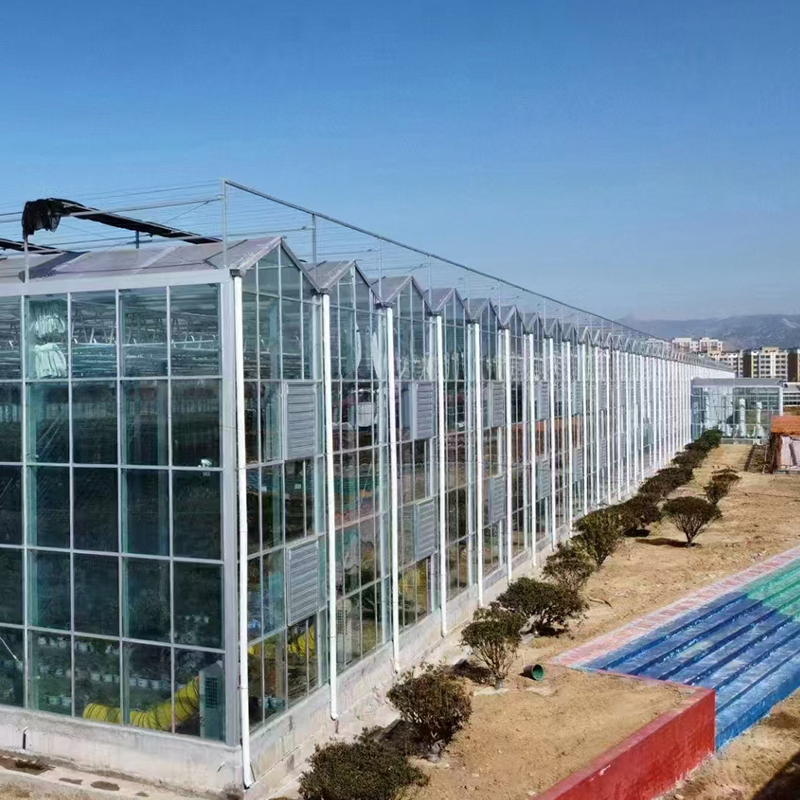
In Phalaenopsis greenhouses, root health is the core of plant growth. Phalaenopsis roots are aerial roots, requiring a humid, well-ventilated, and moderately drained environment. Therefore, substrate selection is the first step in maintenance. Common substrates include bark, sphagnum moss, coconut husk, and fern roots, each with distinct characteristics. For example, bark substrates offer good drainage but weak water retention, while sphagnum moss retains moisture well but decomposes easily. In plastic greenhouses, due to the good thermal insulation of plastic materials but poor breathability, moisture can easily accumulate inside. Thus, substrates should prioritize drainage. It is recommended to use bark-based mixed substrates in plastic greenhouses, such as bark combined with perlite, to enhance aeration. The advantage of plastic greenhouses is their low cost, making them suitable for large-scale Phalaenopsis production, but ventilation must be carefully managed. In glass greenhouses, excellent light transmission and precise temperature control are advantageous, but the thermal effects of glass may cause humidity fluctuations, necessitating substrates that focus on water retention. Sphagnum moss is commonly used in glass greenhouses because it can buffer moisture variations. Whether in plastic or glass greenhouses, substrates should be replaced regularly to prevent salt buildup. Managers of Phalaenopsis greenhouses must adjust substrates according to the greenhouse type: in plastic greenhouses, substrate ratios should prioritize drainage; in glass greenhouses, substrates should emphasize water retention. Additionally, the design of the greenhouse irrigation system affects substrate performance. For example, drip irrigation systems can reduce substrate erosion and improve maintenance efficiency. In Phalaenopsis greenhouses, substrate selection must account for greenhouse characteristics: plastic greenhouses emphasize breathability, while glass greenhouses focus on moisture retention, and the greenhouse irrigation system ensures even water distribution.

Watering frequency is another core aspect of root maintenance for Phalaenopsis in greenhouses. Overwatering can lead to root rot, while insufficient watering can cause dehydration. In plastic greenhouses, due to good thermal insulation and slower evaporation, watering frequency should be lower. Typically, in plastic greenhouses, watering is required every 2–3 days in summer and once a week in winter, but adjustments should be made based on substrate moisture levels. The application of greenhouse irrigation systems is critical. In plastic greenhouses, installing drip or micro-sprinkler irrigation systems can provide uniform water supply and avoid water accumulation on leaves. Greenhouse irrigation systems also save labor and improve efficiency. In glass greenhouses, strong light transmission leads to faster evaporation, requiring higher watering frequencies, such as daily or every other day. Greenhouse irrigation systems in glass greenhouses are often combined with humidity sensors to enable automated watering. For example, in glass greenhouses, smart greenhouse irrigation controllers can be set to water automatically when substrate moisture falls below a specified level. The principle of watering in Phalaenopsis greenhouses is to "water thoroughly after the substrate surface dries." Advances in greenhouse irrigation technology, such as smart systems, can optimize watering frequency based on environmental data. In both plastic and glass greenhouses, the selection of greenhouse irrigation systems must consider uniformity and water conservation to ensure the health of Phalaenopsis roots. In practice, maintaining Phalaenopsis in plastic greenhouses requires enhanced ventilation management, while greenhouse irrigation systems can support precise watering. In glass greenhouses, greenhouse irrigation systems must address rapid evaporation to maintain stable humidity levels.

Specifically, plastic greenhouses are popular due to their low cost, but environmental control is more challenging. Substrates in plastic greenhouses are primarily bark-based, with lower watering frequencies, and greenhouse irrigation systems require regular maintenance to prevent clogging. For instance, in plastic greenhouses, automated greenhouse irrigation systems can reduce human error and improve maintenance consistency. Glass greenhouses provide a more stable environment, often using sphagnum moss as the substrate, with higher watering frequencies. Greenhouse irrigation systems in glass greenhouses often integrate micro-sprinklers to increase humidity. Managers of Phalaenopsis greenhouses should regularly inspect root conditions and adjust substrate or watering strategies promptly if abnormalities are detected. Greenhouse irrigation systems play a linking role in Phalaenopsis greenhouses, connecting substrate selection and watering frequency to form a virtuous cycle. For example, a plastic greenhouse using bark substrate and an automated greenhouse irrigation system saw a 30% improvement in Phalaenopsis root health; a glass greenhouse utilizing sphagnum moss substrate and a smart greenhouse irrigation system achieved year-round flowering. These cases highlight the value of greenhouse irrigation systems in optimizing maintenance.
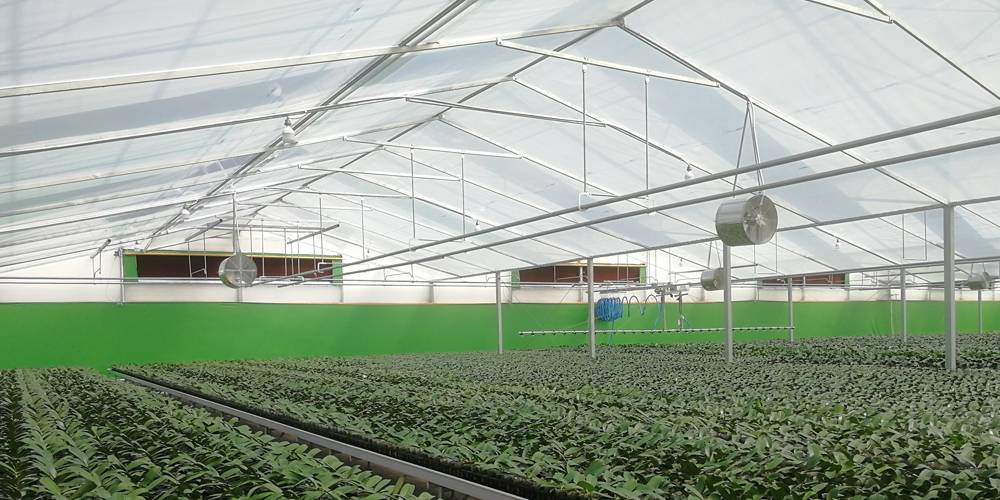
Furthermore, greenhouse types also affect the synergy between substrate and watering. In plastic greenhouses, high humidity can lead to fungal growth in substrates. Adding fungicides during watering and applying them evenly through the greenhouse irrigation system can help mitigate this. In glass greenhouses, rapid drying causes substrates to lose moisture quickly. The greenhouse irrigation system should include moisture retention functions, such as integrating humidifiers. The success of Phalaenopsis greenhouses relies on scientific management: plastic greenhouses require a focus on drainage and ventilation, glass greenhouses need precise humidity and light control, and greenhouse irrigation systems play a central role throughout, ensuring accurate water supply. With technological advancements, the designs of plastic and glass greenhouses continue to evolve, and greenhouse irrigation systems are becoming smarter, bringing new opportunities to the Phalaenopsis industry.

In summary, root maintenance for Phalaenopsis in greenhouses requires a comprehensive approach to substrate selection and watering frequency. Plastic and glass greenhouses, as common types, each have distinct characteristics: plastic greenhouses are economical but require emphasis on drainage, while glass greenhouses offer better control but need meticulous management. Greenhouse irrigation systems are a key technology, enabling optimization through automation. In Phalaenopsis greenhouses, it is recommended to select substrates based on greenhouse type: plastic greenhouses often use bark, while glass greenhouses prefer sphagnum moss. Watering frequency should be adjusted according to the environment: lower in plastic greenhouses and higher in glass greenhouses, supported by smart greenhouse irrigation systems. In the future, plastic and glass greenhouses will become more advanced, and greenhouse irrigation systems will become smarter, driving the development of the Phalaenopsis industry. Through this guide, we hope to help you achieve healthy roots and continuous blooming in your Phalaenopsis greenhouse.
