


Five-Year Investment Return Calculation and Profit Key Points Analysis for Phalaenopsis Greenhouses
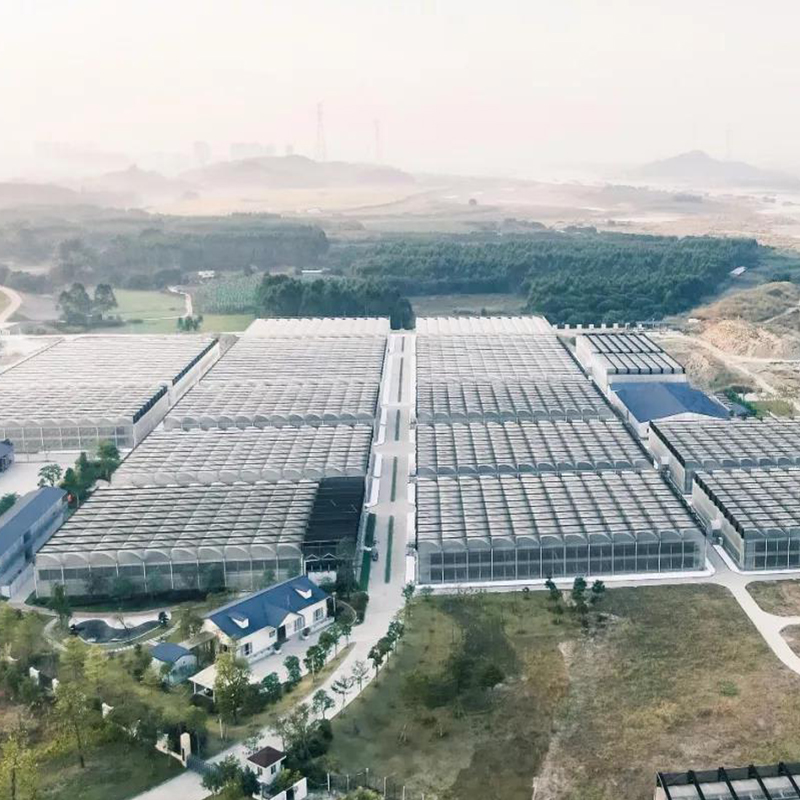
As a high-value-added flower, phalaenopsis is highly favored in commercial cultivation. Constructing specialized phalaenopsis greenhouses forms the foundation for large-scale production, and the choice of greenhouse type directly impacts investment costs and long-term returns. This article will analyze the return differences between plastic greenhouses and glass greenhouses over a five-year cycle, dissect key profit drivers, and provide decision-making reference for investors.
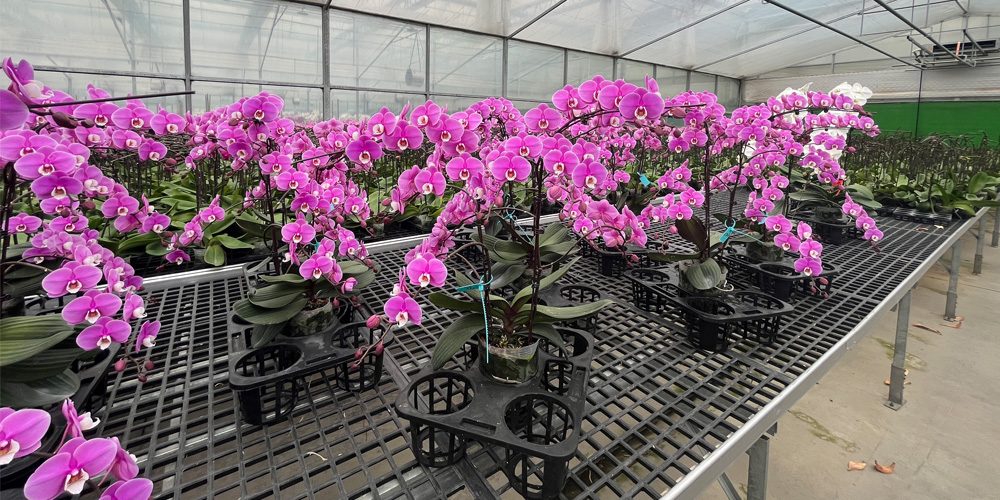
I. Greenhouse Type Selection and Initial Investment Comparison
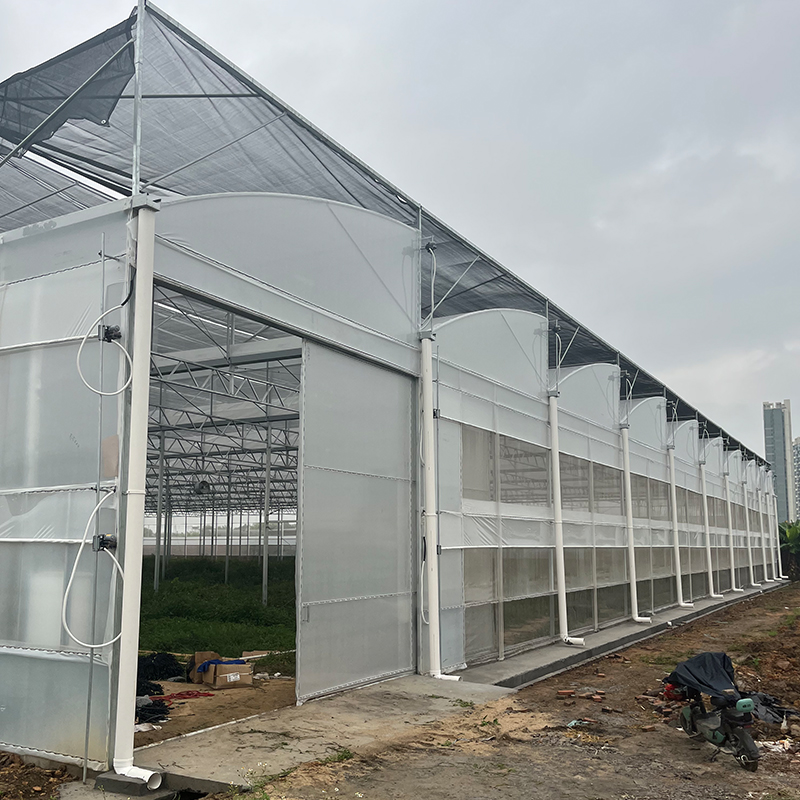
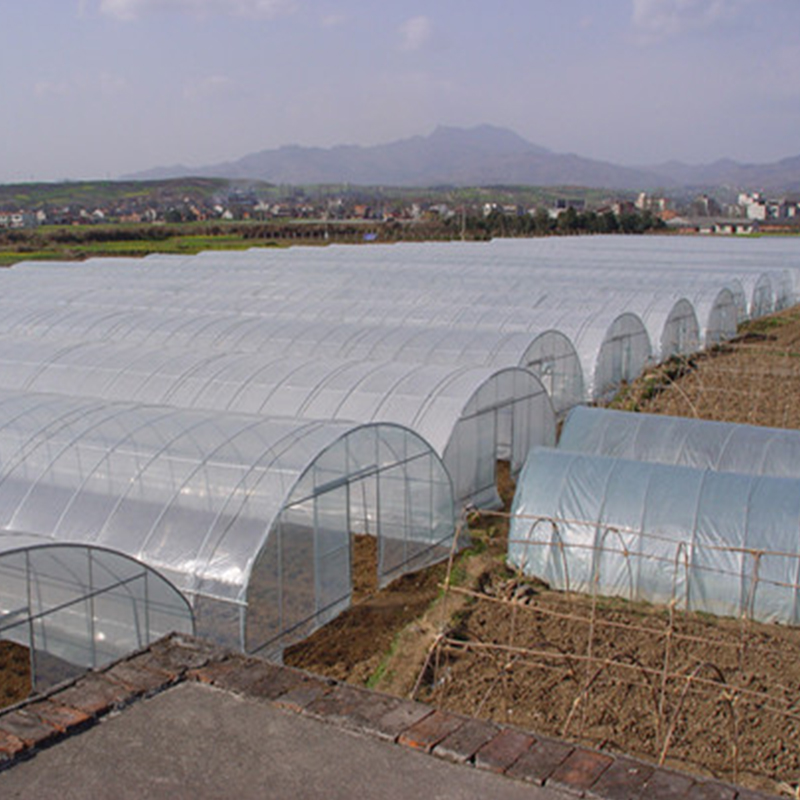
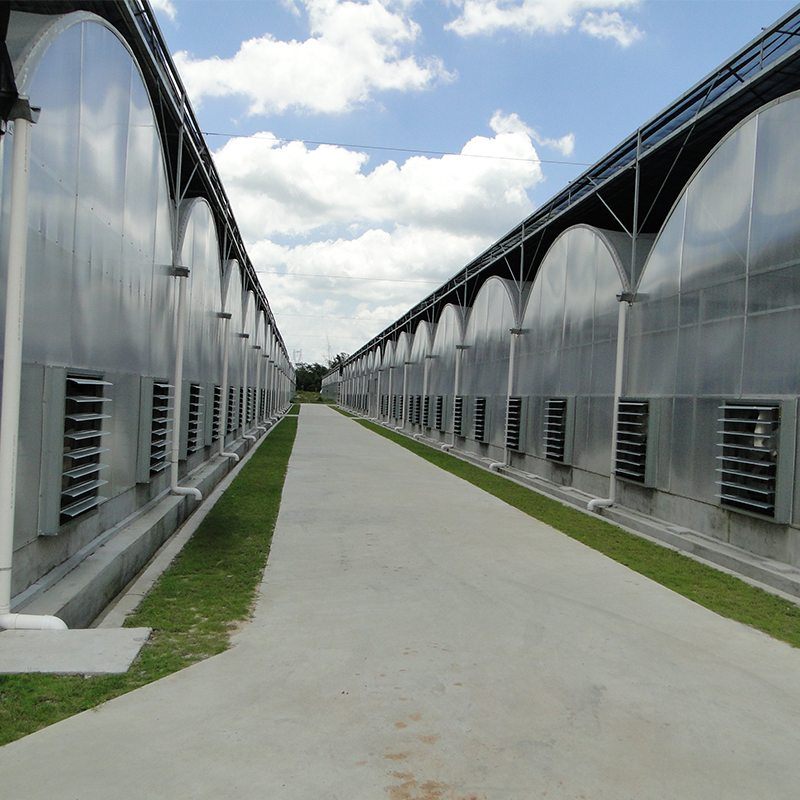
Plastic greenhouses offer advantages such as low construction cost and fast build time. Their initial investment is approximately one-third to one-half that of glass greenhouses, making them suitable for startups or smaller-scale growers. Their lightweight structure provides light transmittance of 70% to 85%, but they have poorer insulation and durability, with a general service life of 5 to 8 years. In a five-year calculation, plastic greenhouses may require partial repairs or film replacement mid-period, increasing maintenance costs.
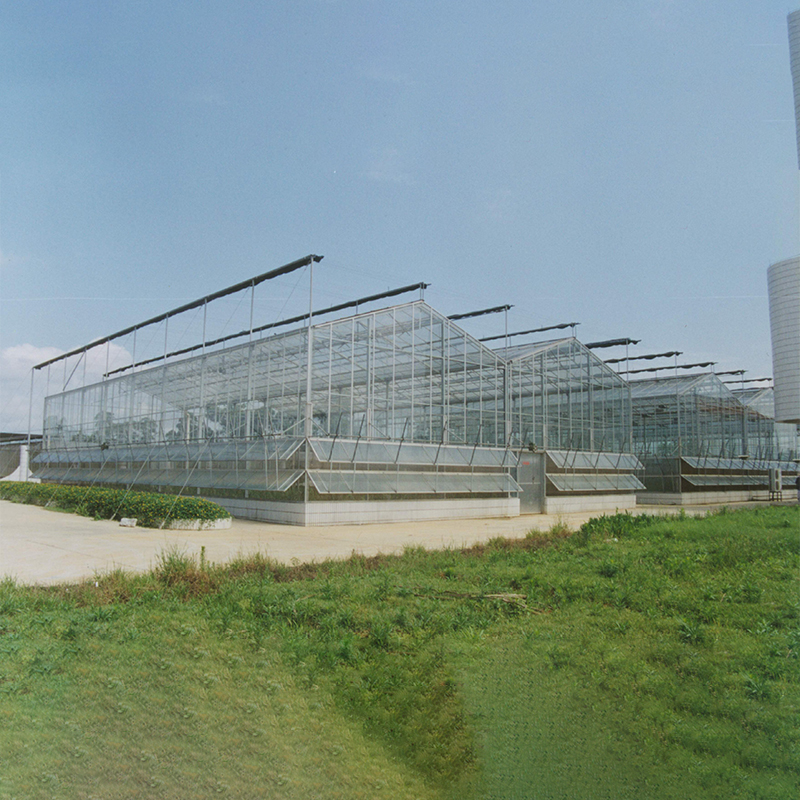
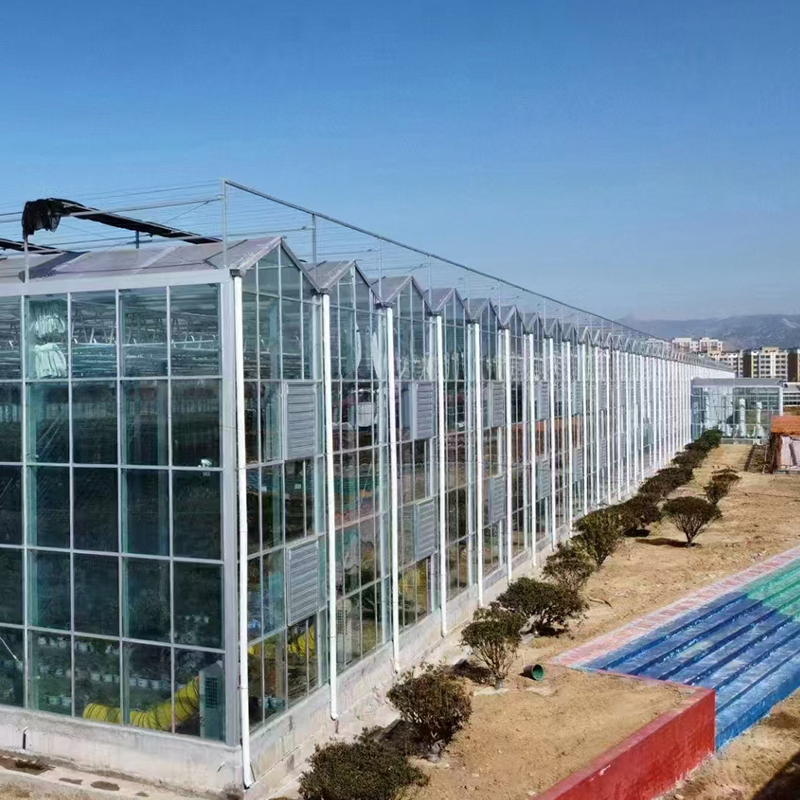
Glass greenhouses represent a high-end configuration with a higher initial investment. However, they offer excellent light transmittance, environmental stability, and a service life exceeding 20 years. Their double-glazed insulating glass structure effectively maintains temperature and humidity, reducing energy consumption, making them particularly suitable for cultivating environmentally sensitive phalaenopsis. Within a five-year period, although depreciation costs are lower, the pressure from loan interest is greater.
II. Framework for Five-Year Investment Return Calculation
Taking a phalaenopsis greenhouse with an area of 3,000 square meters as an example, a brief calculation is as follows:
Plastic Greenhouse: Total investment is approximately 1.2 million RMB, covering infrastructure, irrigation systems, and environmental control equipment. Annual output is about 60,000 phalaenopsis plants. Calculating at an average selling price of 25 RMB per plant, annual gross revenue is 1.5 million RMB. Deducting costs for seedlings, fertilizer, labor, energy, and maintenance, the annual net profit is about 400,000 RMB. The investment payback period is approximately 3 years, and the cumulative net profit over five years can exceed 1.8 million RMB.
Glass Greenhouse: Total investment is approximately 3 million RMB. High-precision environmental control can improve phalaenopsis quality and unit price. Annual output for the same area can reach 70,000 plants, with an increased proportion of premium flowers allowing the average price to rise to 30 RMB. Annual gross revenue is 2.1 million RMB. Deducting higher energy consumption and financial costs, the annual net profit is about 600,000 RMB. The investment payback period is approximately 4.5 to 5 years, with a cumulative net profit over five years of about 2.5 million RMB.
Although the glass greenhouse requires a larger initial investment, its output quality and stability offer greater advantages in the long run, with higher growth potential beyond five years.
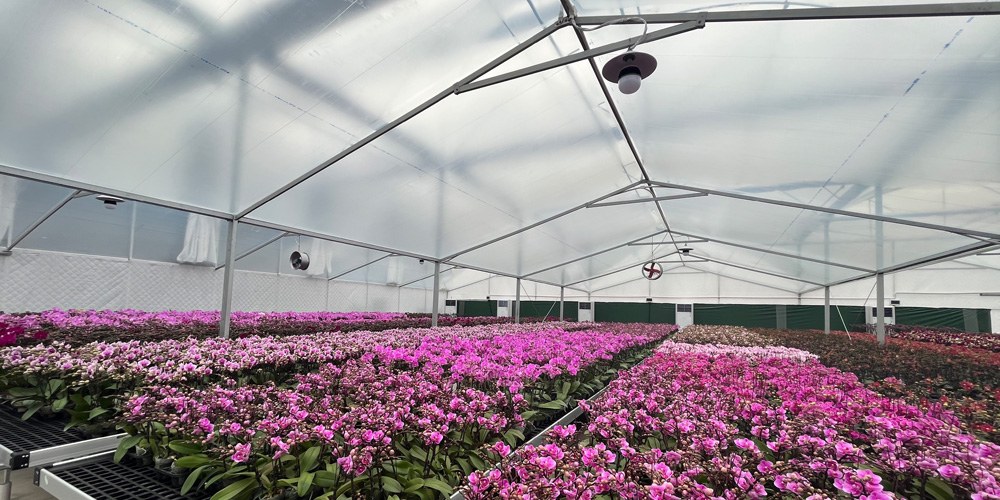
III. In-Depth Analysis of Key Profit Points
1. Precise Environmental Control
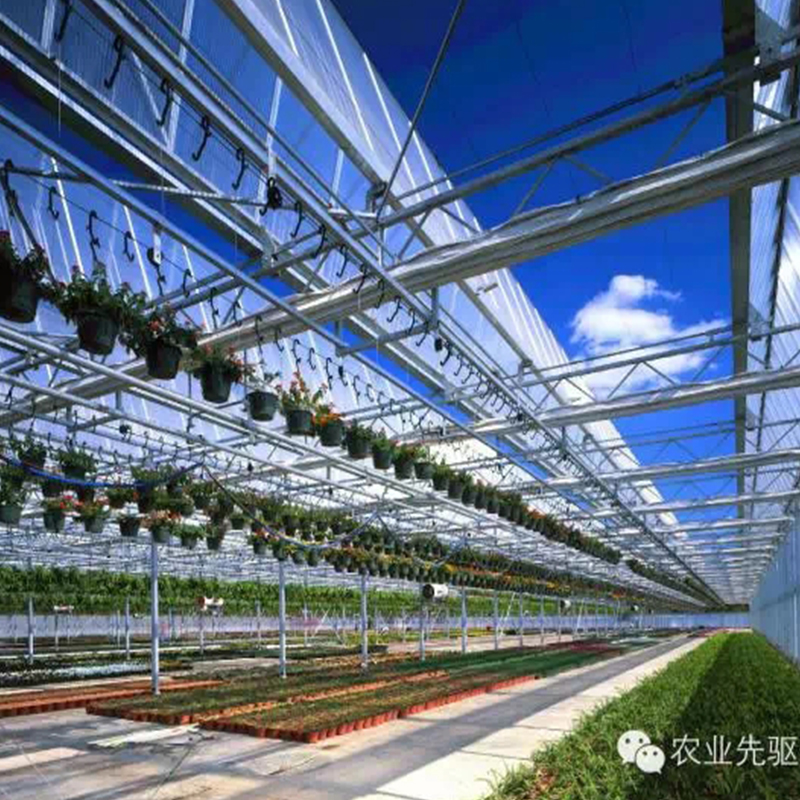
Whether in plastic or glass greenhouses, precise regulation of temperature, humidity, light, and ventilation is core to phalaenopsis quality. Glass greenhouses perform better in environmental stability, reducing seasonal production risks.
2. Efficient Irrigation and Water-Fertilizer Management
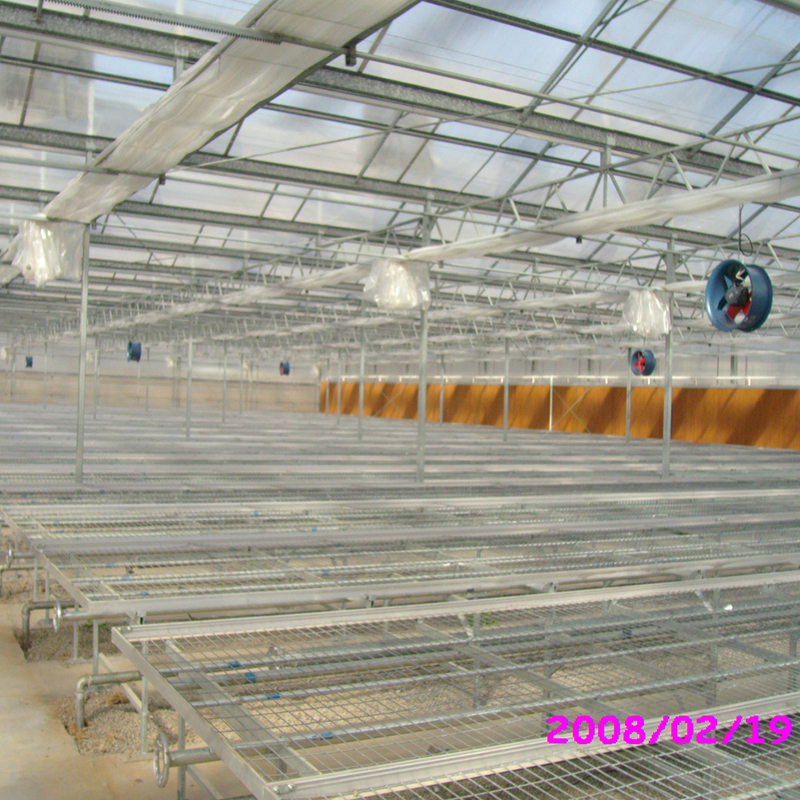
A specialized greenhouse irrigation system is key to cost-saving and efficiency improvement. Employing drip irrigation or flood benches (ebb and flow), combined with integrated water-fertilizer technology, can improve water and fertilizer utilization by over 30%, directly lowering production costs. In phalaenopsis greenhouses, irrigation water quality requires softening treatment to prevent salt accumulation affecting root health.
3. Variety Selection and Cycle Optimization
Selecting varieties suitable for the local climate and market demand,scheduling forcing and sales cycles, can avoid price competition caused by concentrated market supply. Due to their controllable environment, glass greenhouses are better suited for off-season production, capturing price premiums.
4. Energy Cost Control
Winter heating is a major energy consumer. Plastic greenhouses require enhanced insulation measures, such as using double-layer film. Glass greenhouses can integrate solar energy or waste heat recovery systems to reduce long-term energy expenses.
5. Integrated Pest and Disease Management
Enclosed glass greenhouses can reduce the intrusion of external pests and pathogens but require attention to internal ventilation design. Plastic greenhouses should strengthen entry point controls and regular disinfection. Both require combining monitoring, early warning, and biological control to minimize chemical usage, ensuring flower safety and quality.
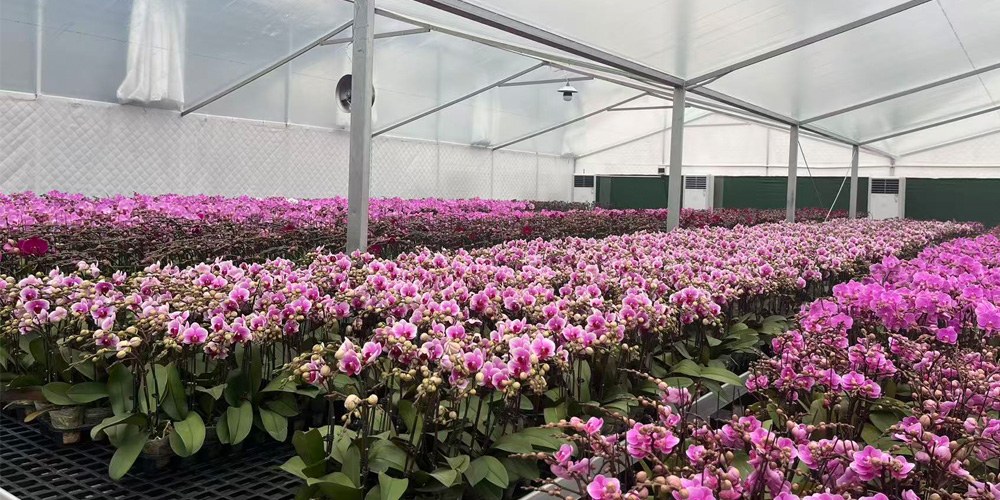
From a five-year return perspective, plastic greenhouses suit investors with limited capital seeking rapid payback but require attention to mid-term maintenance and production volatility risks. Glass greenhouses are more suitable for enterprises focused on long-term operation and targeting the high-end market, as their stability and output quality help build brand advantage.
Regardless of the greenhouse type chosen, the key to successful phalaenopsis greenhouse operation lies in meticulous management and technological innovation. Optimizing greenhouse irrigation strategies, controlling environmental parameters, and mastering market rhythms are essential for achieving sustainable profitability. Investors should make scientific choices based on their own capital, technology, and market channels to ensure steady development within the flower industry.
