


Light Environment Design for Phalaenopsis: Light Recipes from Seedling to Flowering and Greenhouse Control
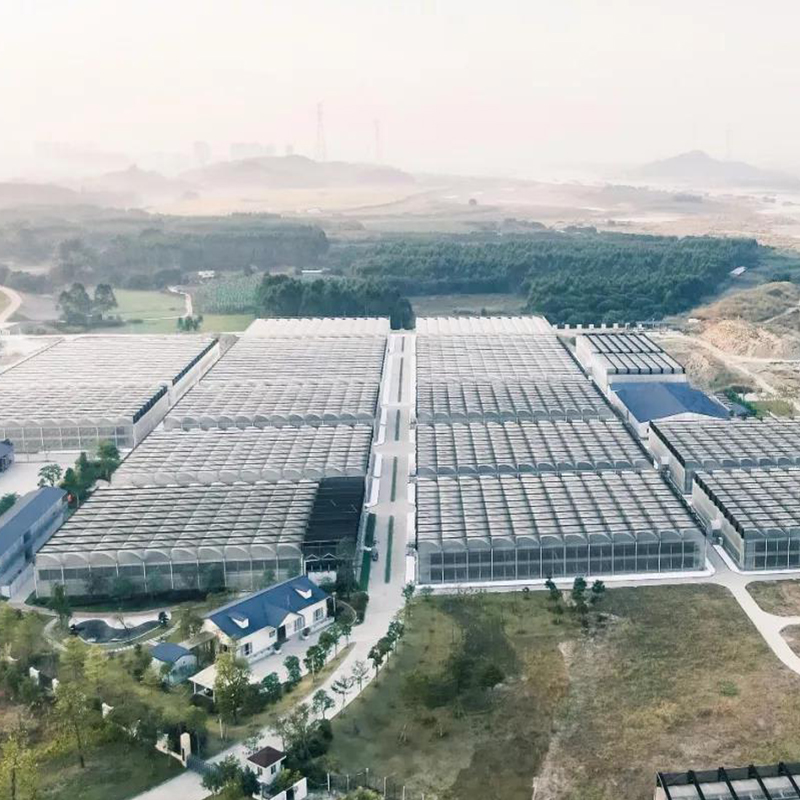
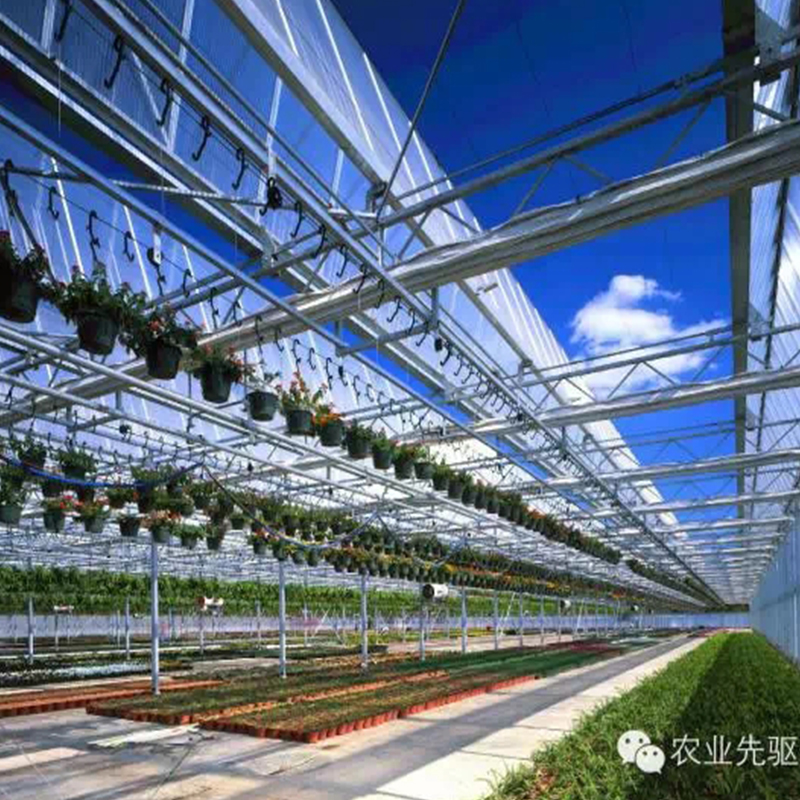
In the facility cultivation of Phalaenopsis, the light environment is the core factor determining the growth cycle and flowering quality. From the low-light tolerance at the seedling stage to the high-light requirement for flowering induction, a dynamic light recipe is essential. This paper describes how to achieve precise light environment control based on four key components: glass greenhouse, greenhouse made of plastic, electrical control cabinet, and greenhouse sunshade.
I. Light Recipe for Seedling Stage: Low Light Intensity and Blue Light Dominance
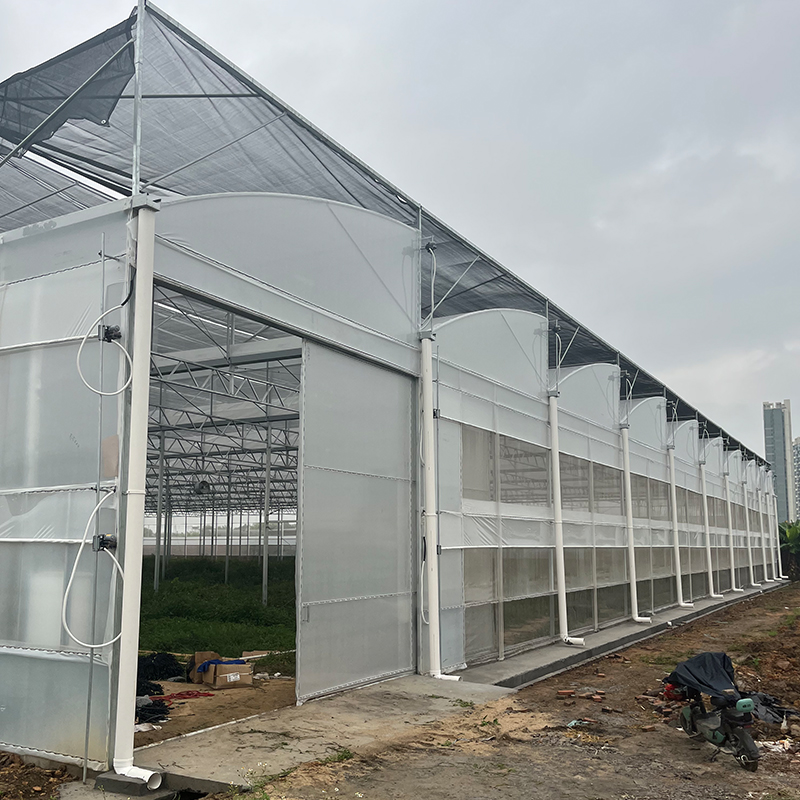
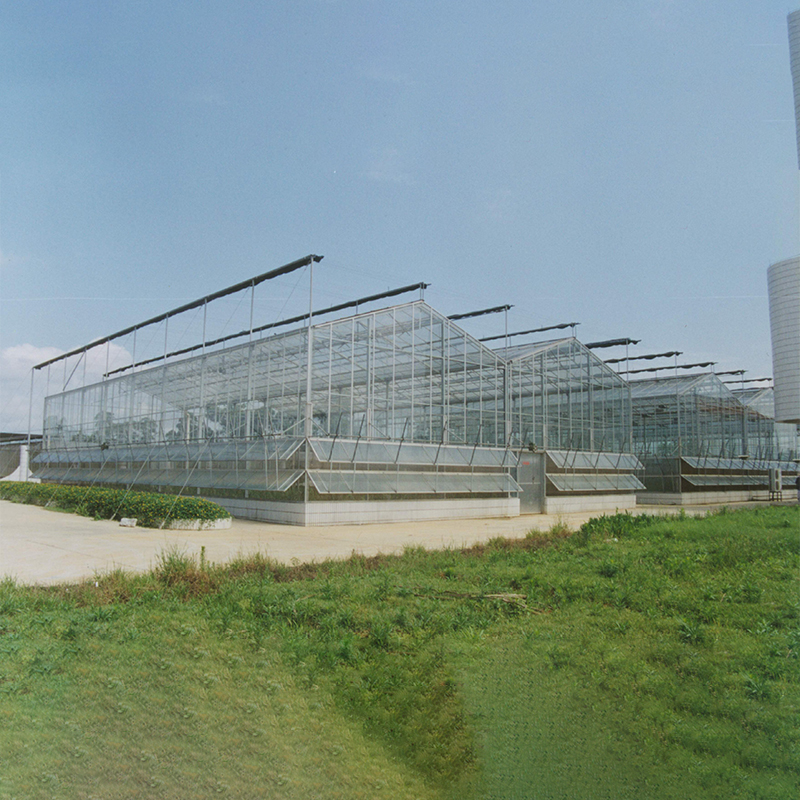
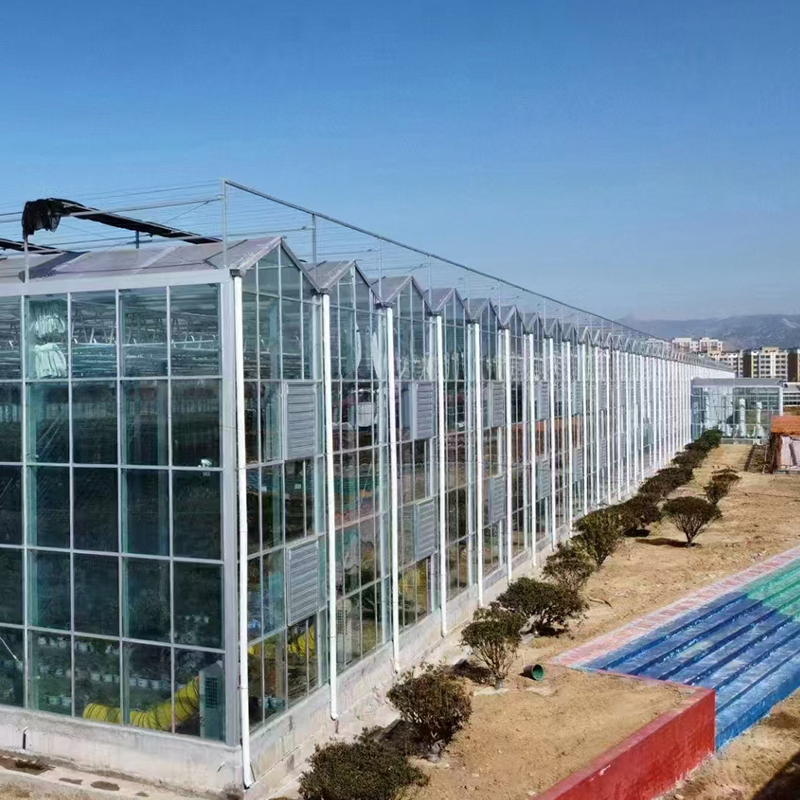
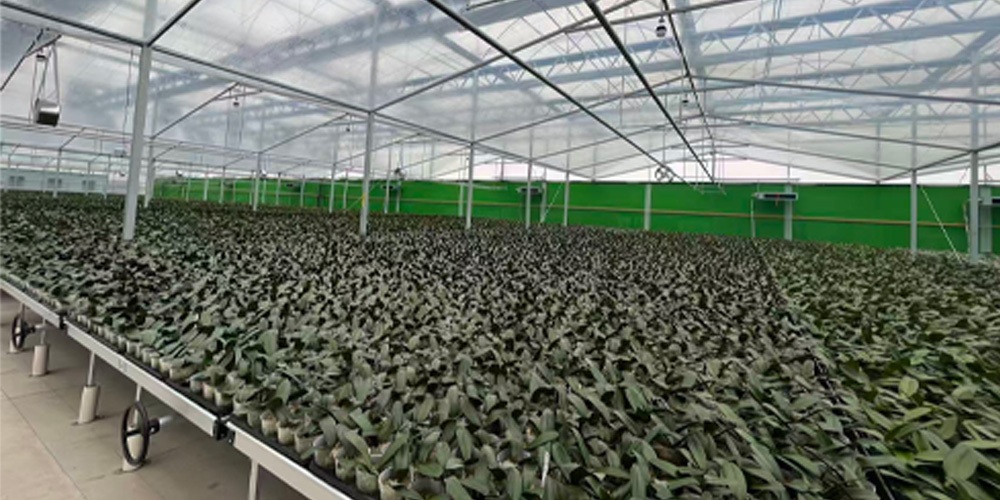
Phalaenopsis seedlings (from tissue-cultured plantlets to 1.5-inch pots) require a light intensity of 5,000–8,000 lux, a photoperiod of 12 hours, and a red to blue (R/B) ratio of 1:2. In a glass greenhouse, natural transmittance can exceed 90%, so the greenhouse sunshade system must be activated. The greenhouse sunshade, typically an aluminum foil shade net, reduces the light to the target value. In a greenhouse made of plastic, transmittance is about 70–85%, and the greenhouse sunshade is also needed. The electrical control cabinet monitors real time conditions via light sensors; when outdoor light exceeds the threshold, the cabinet automatically drives the greenhouse sunshade motor. When using a greenhouse made of plastic at the seedling stage, attention should be paid to the decrease in transmittance due to film aging, and the electrical control cabinet should adjust the shading strategy. Both types of greenhouses can be equipped with LED supplementary lighting panels in the nursery area, and the electrical control cabinet outputs PWM signals to regulate blue light intensity.
II. Light Recipe for Intermediate Seedling Stage: Increasing Light Intensity and Introducing Red Light
Intermediate seedlings (2.5 inch to 3.5 inch pots) require 10,000–15,000 lux, a photoperiod of 14 hours, and an R/B ratio adjusted to 1:1. At this stage, glass greenhouses and greenhouses made of plastic face different challenges: glass greenhouses are prone to uneven light spots, so a diffusing type greenhouse sunshade should be used; greenhouses made of plastic may have reduced transmittance due to condensation. The electrical control cabinet can set a daily light integral target, e.g., 15 mol·m⁻²·d⁻¹. When natural light is insufficient, the cabinet turns on supplementary lights; when light is excessive, it partially closes the greenhouse sunshade. The greenhouse sunshade includes internal and external types; glass greenhouses often use a double layer greenhouse sunshade for precise dimming. The external sunshade system of a greenhouse made of plastic reduces internal temperature while avoiding photoinhibition. The electrical control cabinet records daily light data to provide a basis for optimizing the light recipe. When cultivating intermediate seedlings in a glass greenhouse, the opening of the greenhouse sunshade should change dynamically with the solar elevation angle, and the PID algorithm of the electrical control cabinet enables smooth adjustment.
III. Light Recipe for Mature and Flowering Stages: High Light Intensity and Short Days
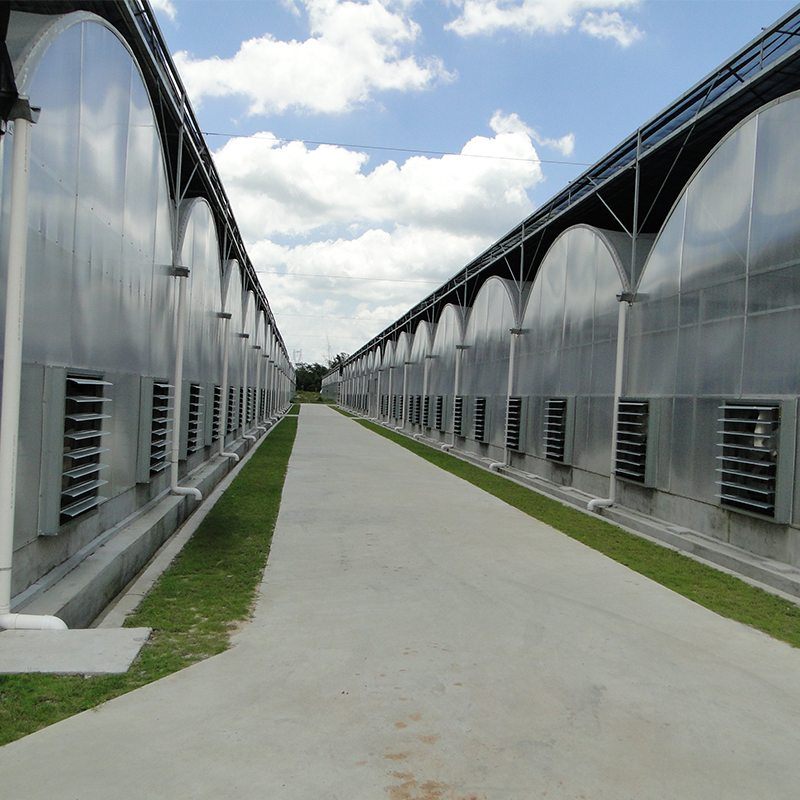
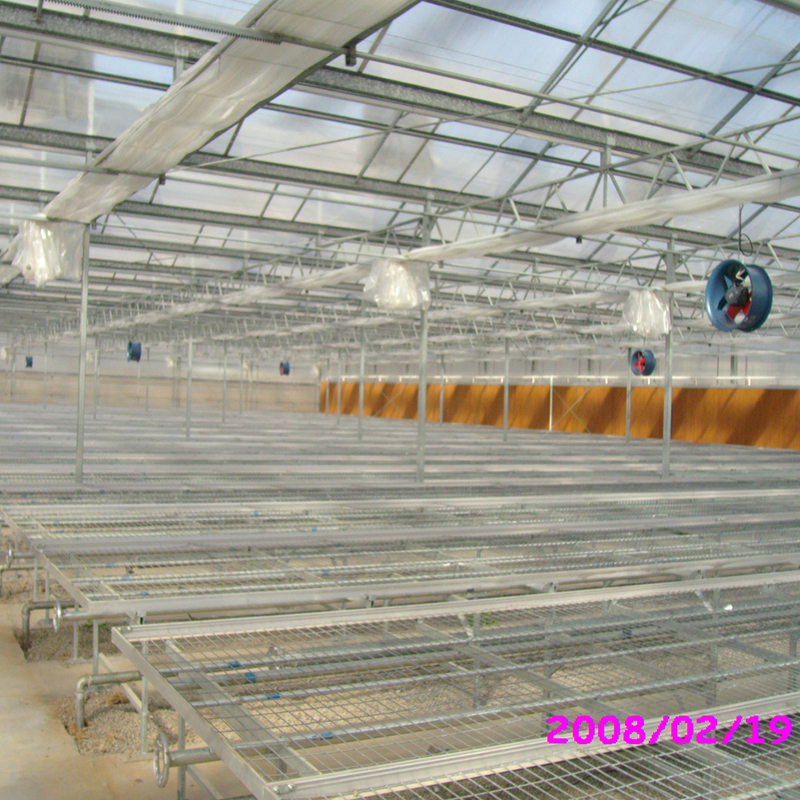
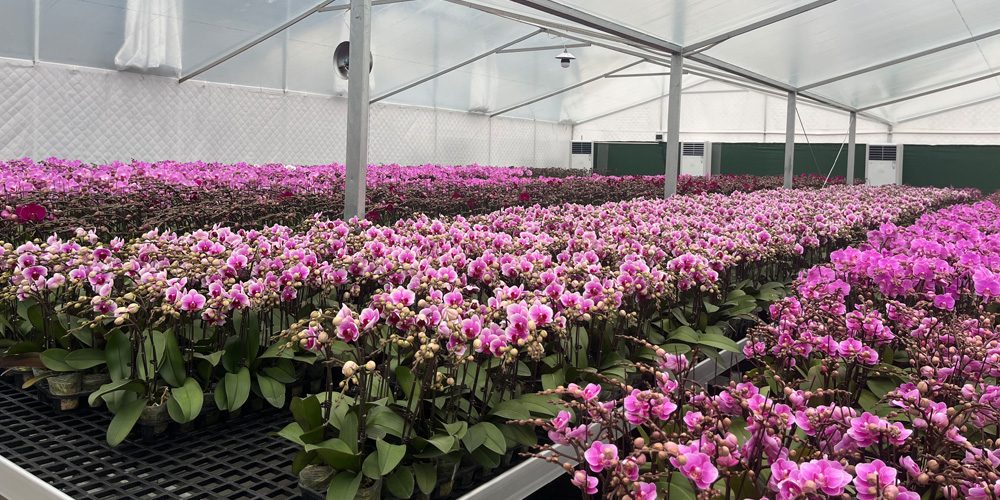
Mature plants (4 inch pots and larger) require 15,000–20,000 lux, and during the flowering stage 20,000–25,000 lux. In addition, short day treatment (8–10 hours/day) is needed to induce flower bud differentiation. The high transmittance of a glass greenhouse facilitates reaching the required light intensity during flowering, but precise greenhouse sunshade is essential to prevent photodamage. In a greenhouse made of plastic during hot summer conditions, the greenhouse sunshade should be used together with a wet pad fan system. At this stage, the electrical control cabinet is responsible for photoperiod control: it turns off supplementary lights via a timer and drives the greenhouse sunshade to simulate the sunset process. Regarding light quality, increasing the proportion of far red light (730 nm) promotes flowering, and the electrical control cabinet needs to control far red LEDs independently. Both glass greenhouses and greenhouses made of plastic can be equipped with quantum sensors that provide feedback to the electrical control cabinet for closed loop control. The greenhouse sunshade not only regulates light intensity but also changes light quality; for example, black shade nets reduce the red:far red ratio, which the electrical control cabinet must compensate for.
IV. Comparative Selection of Glass Greenhouse vs. Greenhouse Made of Plastic
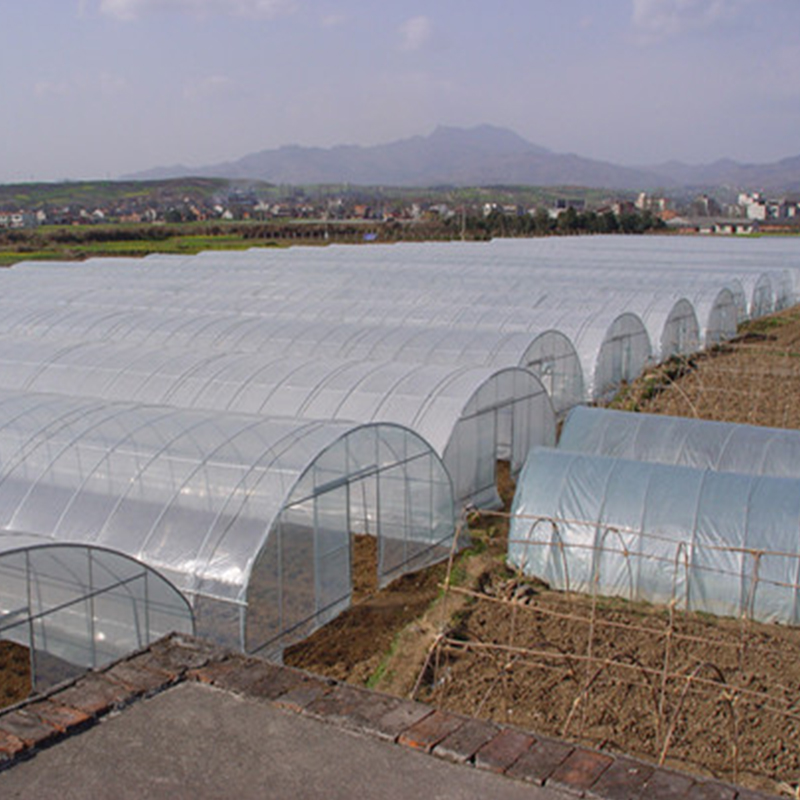
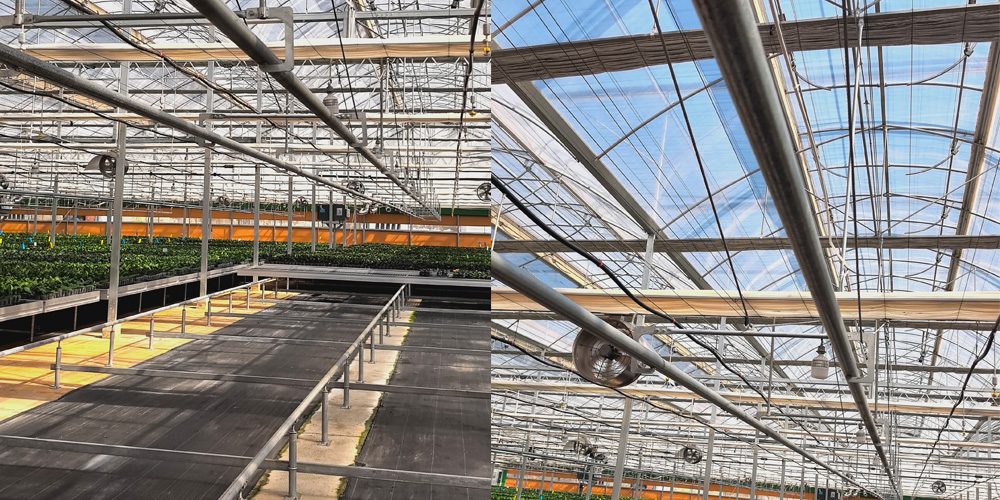
Glass greenhouses and greenhouses made of plastic each have suitable applications. A glass greenhouse has a service life of over 20 years, provides a stable light environment, and is suitable for high end Phalaenopsis production. A greenhouse made of plastic has a lower initial investment but requires film replacement every 3–5 years. Regardless of the choice, the electrical control cabinet is the control hub. Modern electrical control cabinets integrate touch screens, PLCs, and IoT modules, allowing remote monitoring of the greenhouse sunshade status. The greenhouse sunshade system in a glass greenhouse is generally more durable, whereas that in a greenhouse made of plastic must consider wind resistance design. From seedling to flowering, the light recipe parameters should be stored in the non volatile memory of the electrical control cabinet. For example, under a glass greenhouse, the seedling stage light recipe can be set to 8,000 lux; under a greenhouse made of plastic, supplementary light intensity should be increased to compensate for transmission losses. The electrical control cabinet can also coordinate the greenhouse sunshade and supplementary lighting to save energy.
V. Summary and Outlook
The light environment design for Phalaenopsis follows the pattern “low → medium → high → high + short days”. Glass greenhouses and greenhouses made of plastic provide the physical structure, the greenhouse sunshade executes light intensity regulation, and the electrical control cabinet enables intelligent decision making. By optimizing the light recipe, the vegetative growth period can be shortened by 4–6 weeks, and flowering uniformity can be improved by 30%. In the future, electrical control cabinets will incorporate machine learning algorithms to automatically adjust greenhouse sunshade strategies according to Phalaenopsis varieties. Both glass greenhouses and greenhouses made of plastic can be connected to digital twin systems. The scheme presented in this paper demonstrates that the electrical control cabinet combined with the greenhouse sunshade can significantly improve Phalaenopsis quality.
