


Lighting Duel: A Scientific Exploration of Lettuce Growth Under 12-Hour vs. 16-Hour Light Exposure
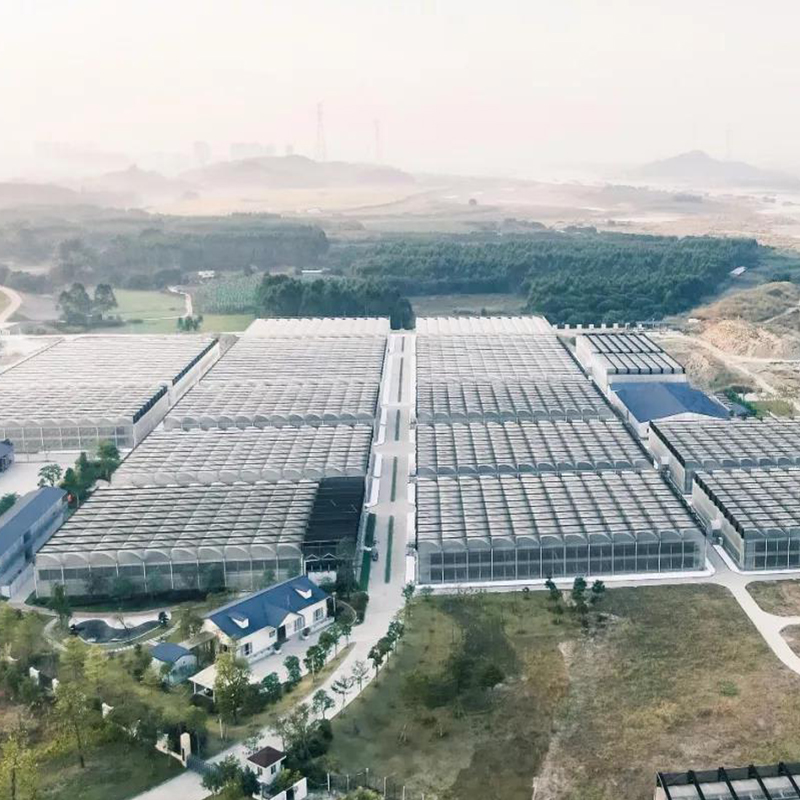
With the support of modern agricultural technology, greenhouse cultivation has become an important means of efficiently producing high-quality vegetables. Whether in versatile vegetable and fruit greenhouses, cost-effective plastic greenhouses, or more precisely controlled glass greenhouses, light management is a core aspect. Recently, a comparative experiment on light duration for soilless lettuce cultivation has revealed the impact of different photoperiods on crop growth rates, providing data to support optimized greenhouse production.
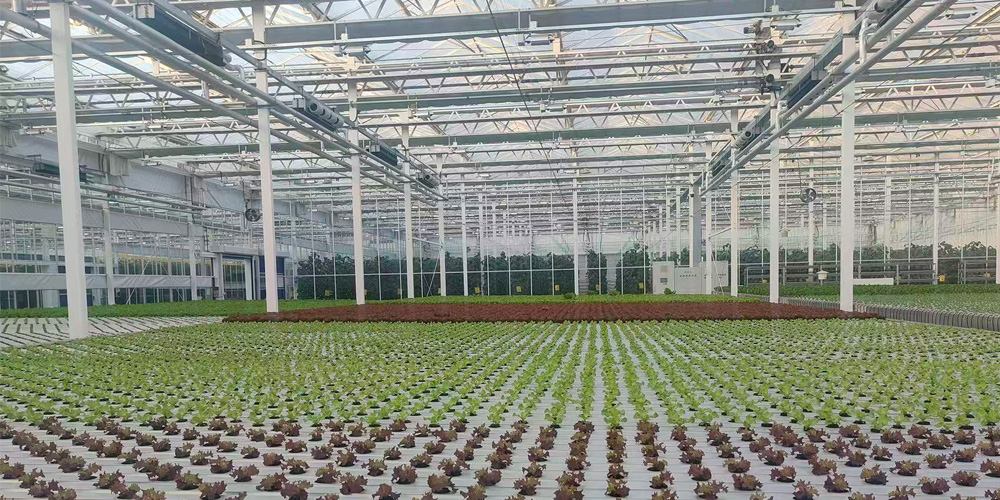
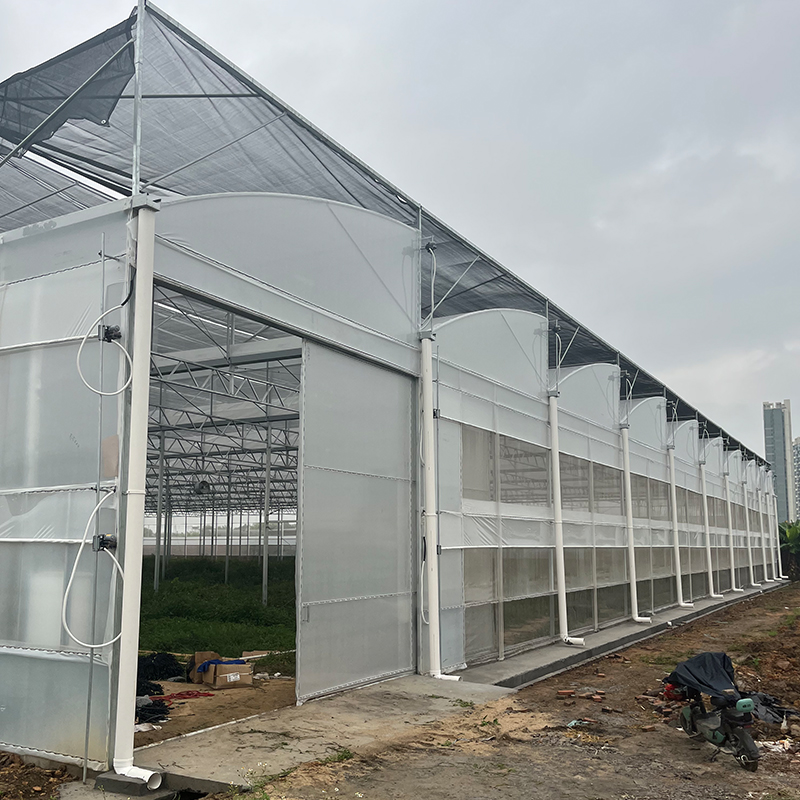
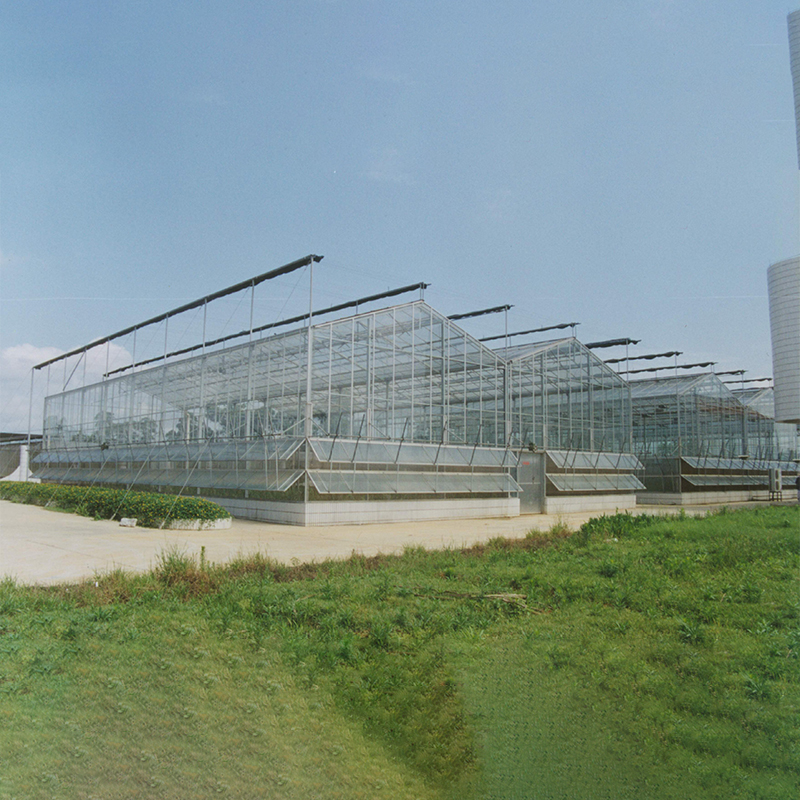
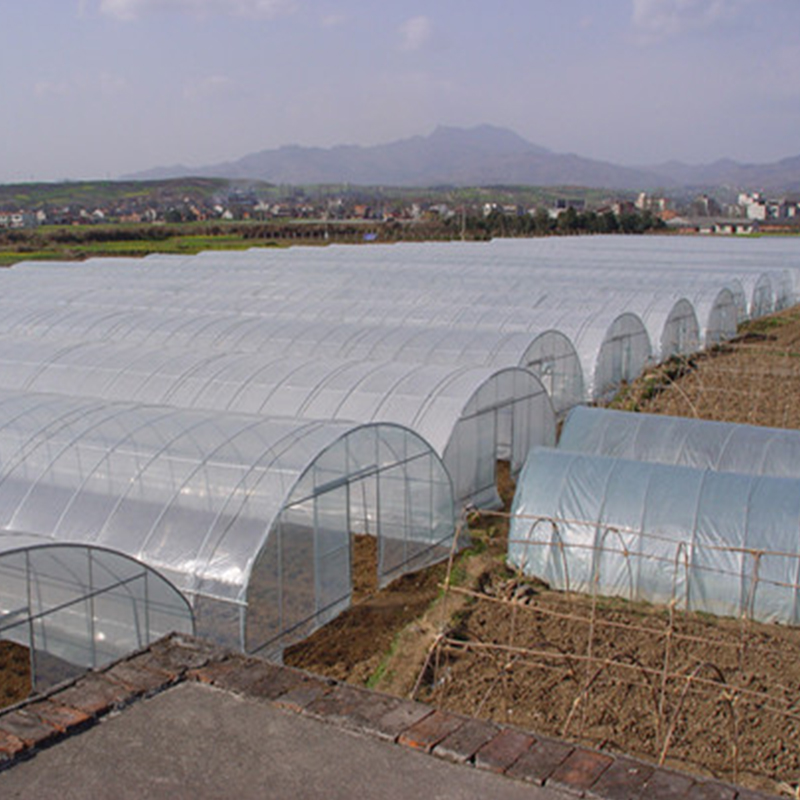
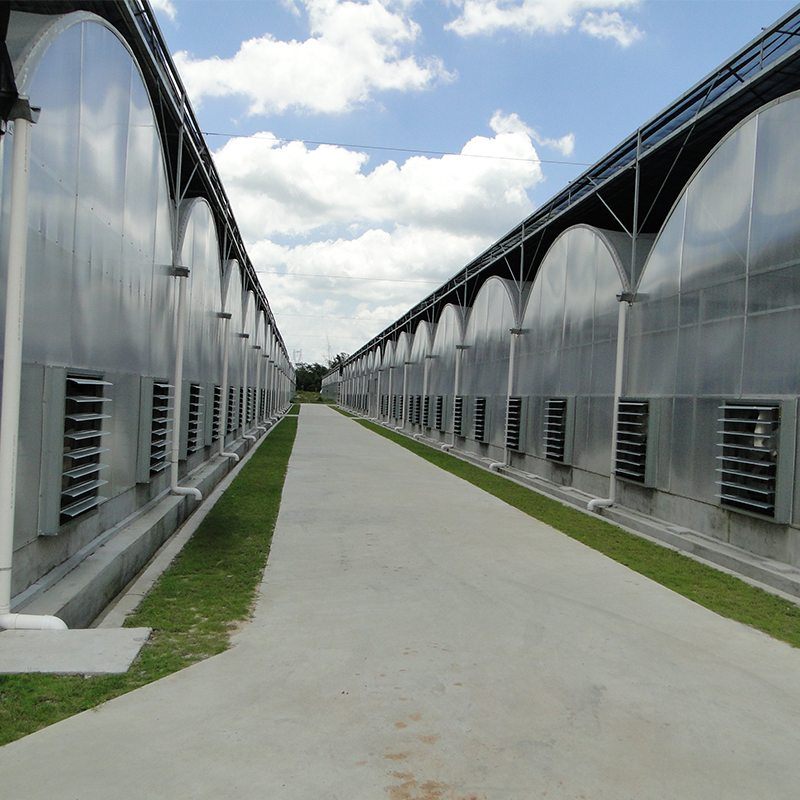
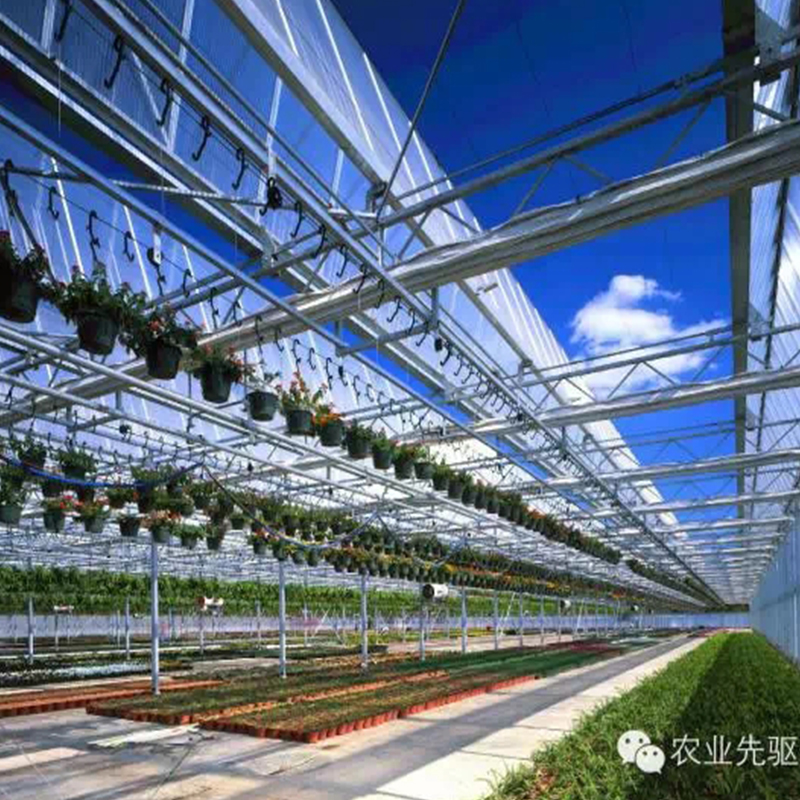
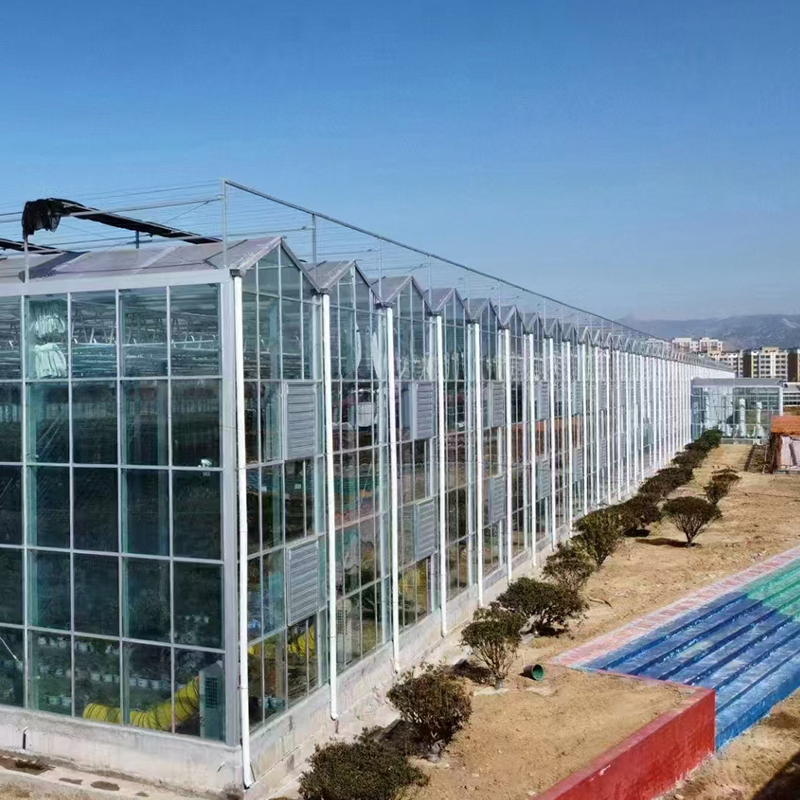
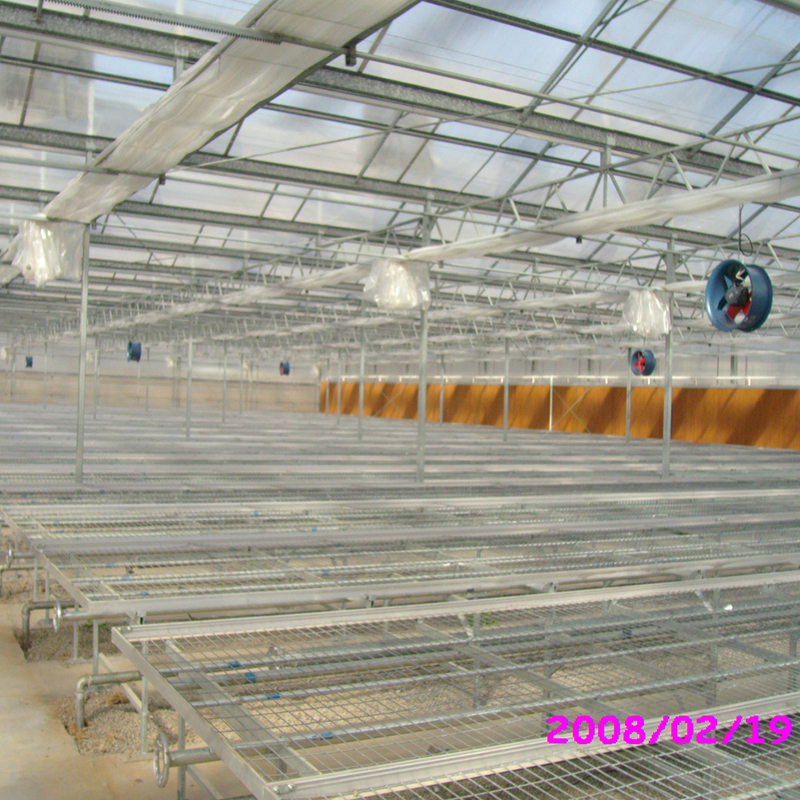
The experiment was conducted simultaneously in three typical greenhouse environments: first, a glass greenhouse with stable light transmission and precise environmental control; second, a lower-cost plastic greenhouse suitable for widespread use; and third, a comprehensive vegetable and fruit greenhouse focused on rotating leafy and fruit vegetables. All trial units adopted soilless planting techniques, using coconut coir substrate combined with a water-fertilizer integration system to ensure consistent nutrient supply. The only variable was the daily artificial light supplementation duration—one group set at 12 hours (simulating traditional natural light) and the other extended to 16 hours (simulating optimized long-day conditions).
After four weeks of observation and measurement, the data showed that under 16 hours of light, lettuce in all three greenhouse types exhibited faster growth rates. Particularly in the glass greenhouse, due to its high light transmittance and environmental stability, lettuce leaf expansion speed and plant fresh weight increased by approximately 28% and 35% on average compared to the 12-hour group. This is because extending light exposure increases the accumulation of photosynthesis products, accelerating energy conversion and dry matter synthesis in lettuce. Notably, the soilless planting system played a key role in this process—roots, under uniform water and nutrient supply, did not exhibit stress responses common in traditional soil, thus more fully utilizing the growth potential brought by additional light.
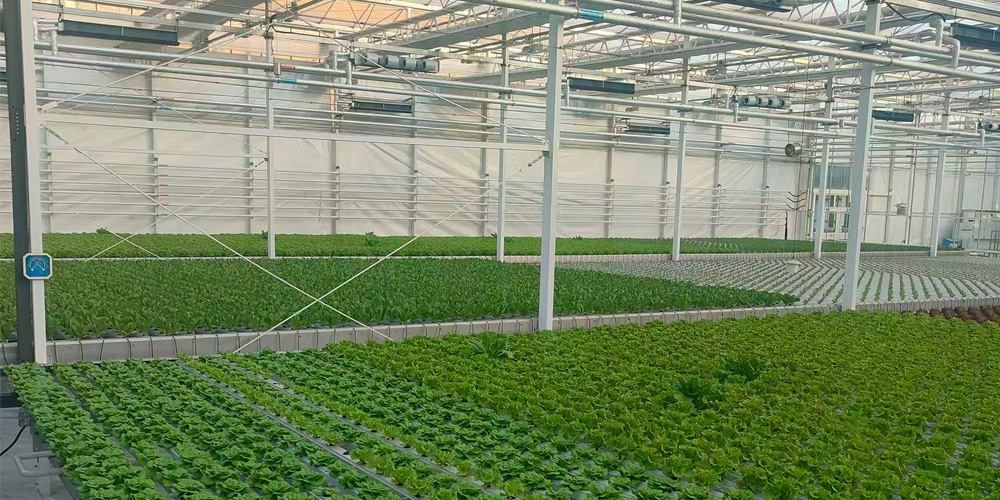
However, subtle differences were observed across greenhouse types. In the plastic greenhouse, while 16 hours of light also promoted growth, the increase was slightly lower than in the glass greenhouse. Analysis suggests this is related to the light attenuation and thermal properties of plastic materials, where some light energy converts into heat, affecting nighttime temperature balance and potentially causing metabolic stress. In the composite vegetable and fruit greenhouse, due to microclimate interactions from crop diversity, lettuce responded relatively moderately to prolonged light exposure, though overall growth efficiency remained significantly better than the 12-hour control group.
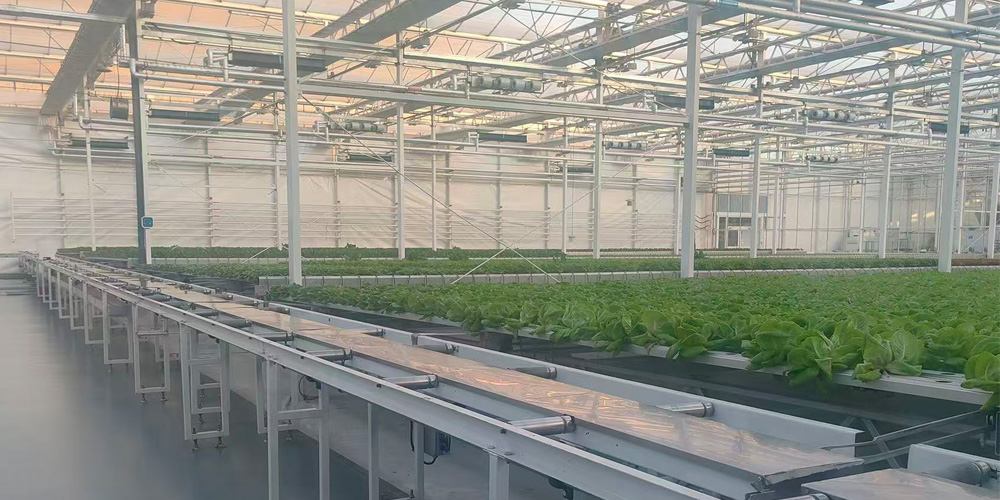
Further analysis revealed that the controllability of the root environment in soilless planting prevented early bolting under long light exposure, indicating that with precise water and fertilizer coordination, lettuce can effectively allocate additional light energy to vegetative growth rather than reproductive transformation. This also highlights the importance of synergistic regulation of environmental factors in modern greenhouse agriculture. Whether in the precise environment of a glass greenhouse, the economically adapted plastic greenhouse, or the composite ecosystem of a vegetable and fruit greenhouse, light design must align with crop physiological needs.
Of course, 16 hours of light is not without costs. Energy consumption increases significantly, and in structures with slightly inferior insulation like plastic greenhouses, additional regulation of day-night temperature differences may be required. Therefore, actual production requires a comprehensive assessment of benefits and costs—for high-value varieties, implementing long light exposure combined with soilless planting in glass greenhouses may yield the greatest returns, while in large vegetable and fruit greenhouses, dedicated light zones for lettuce can be established to optimize resource allocation.
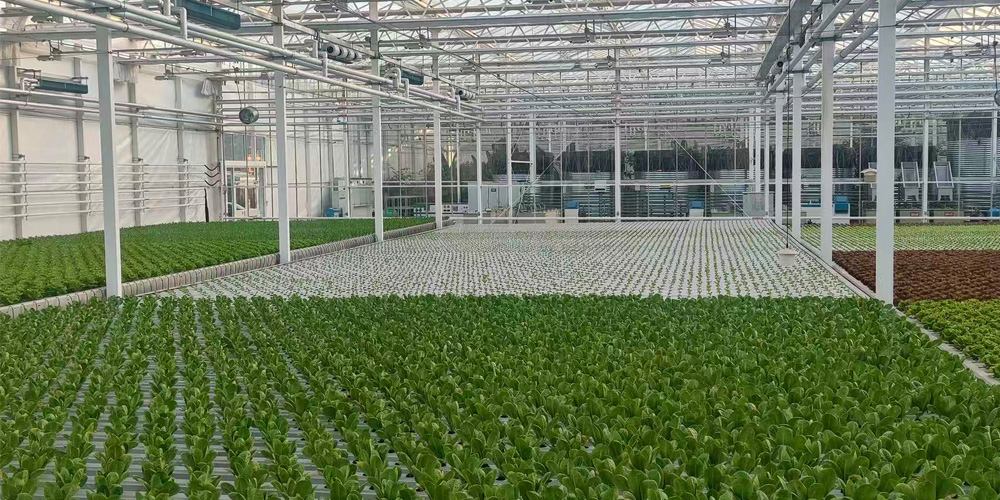
In greenhouse lettuce cultivation, 16 hours of light accelerates growth more effectively than 12 hours, with soilless planting technology providing an ideal root support system. Different greenhouse types further influence the final outcomes through light and thermal environmental regulation. In the future, with the widespread adoption of smart control systems, we can expect more flexible lighting strategies that balance the precision of glass greenhouses, the accessibility of plastic greenhouses, and the diversity of vegetable and fruit greenhouses, ensuring every leaf thrives under scientifically tailored light.
