


The Art of Greenhouse Cultivation of New Year Phalaenopsis: The Multifaceted Integration of Plastic Greenhouses, Phalaenopsis Greenhouses, and Glass Greenhouses
As the Spring Festival approaches, the New Year flower market gradually heats up. Among the various blooms, phalaenopsis stands out as a focal point for consumers, cherished for its elegant posture, vibrant colors, and auspicious symbolism. The beauty of phalaenopsis is no accident; it is the result of meticulous cultivation techniques and modern greenhouse facilities. In this article, we will delve into how phalaenopsis thrives in different types of greenhouses, with a focus on analyzing the applications and synergistic effects of plastic greenhouses, phalaenopsis greenhouses, and glass greenhouses.
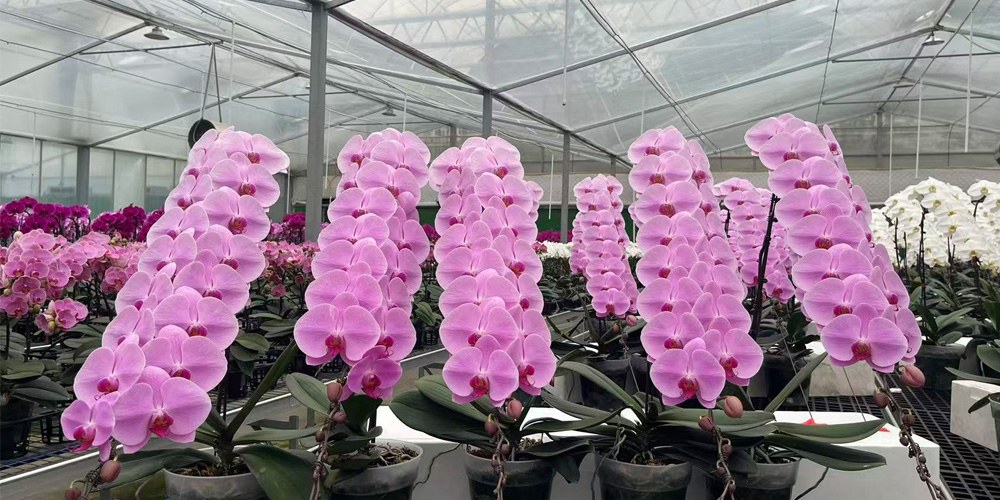
As a tropical orchid, phalaenopsis has extremely high demands on its growing environment, making stable temperature, humidity, and light crucial. Therefore, greenhouse cultivation has become the core method for phalaenopsis production. Plastic greenhouses, phalaenopsis greenhouses, and glass greenhouses each play to their strengths, collectively ensuring a high-quality supply of phalaenopsis during the New Year period.
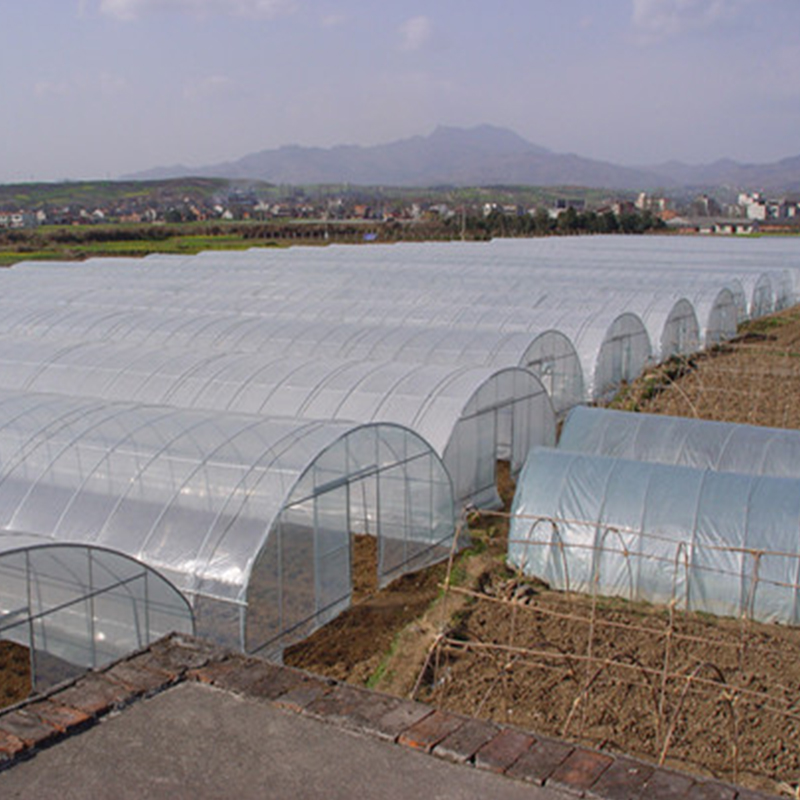
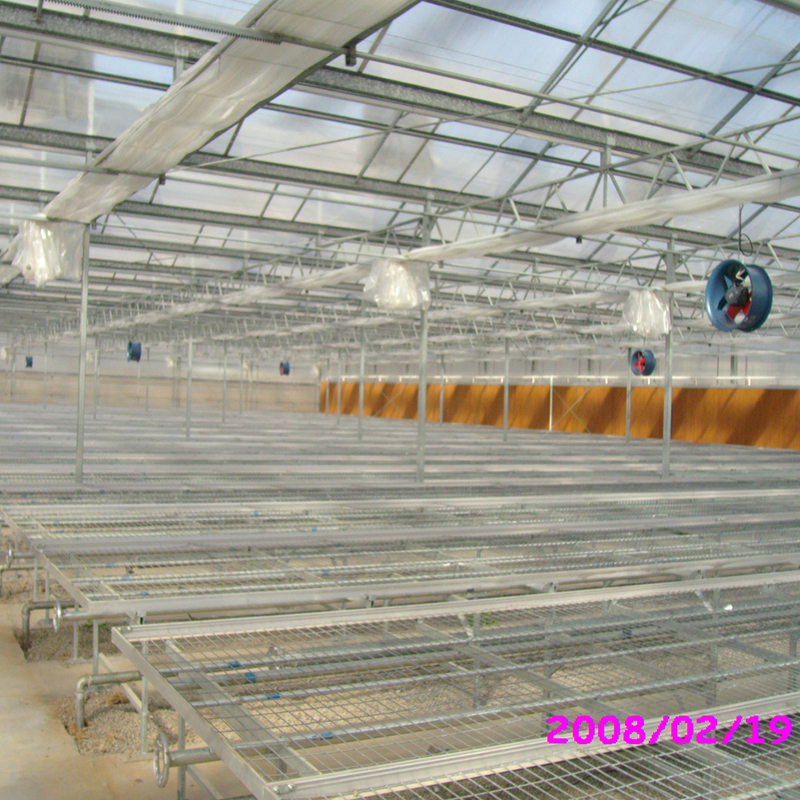
The cultivation of phalaenopsis begins with precise environmental control. Native to warm and humid regions, phalaenopsis thrives at temperatures between 15–30°C, requires humidity levels of 60–80%, and needs ample yet gentle light. To meet these requirements, greenhouse technology has been developed. Among these, plastic greenhouses are widely used in phalaenopsis cultivation due to their cost-effectiveness and flexibility. Typically covered with polyethylene or polycarbonate materials, plastic greenhouses are low-cost and quick to construct, making them suitable for large-scale seedling propagation and early growth stages of phalaenopsis. Inside plastic greenhouses, growers can use simple equipment to adjust temperature and humidity, providing a relatively stable environment for the plants. For example, phalaenopsis seedlings are protected from sudden external climate changes in plastic greenhouses, allowing them to grow healthily. However, plastic greenhouses have limitations in insulation and light transmission. Additional heating may be required in winter, and the materials are prone to aging. Despite these drawbacks, plastic greenhouses remain an essential foundation for phalaenopsis cultivation, particularly during the initial stages, helping the plants adapt to artificial environments. In plastic greenhouses, phalaenopsis gradually develops, laying the groundwork for subsequent transplantation to more specialized facilities.
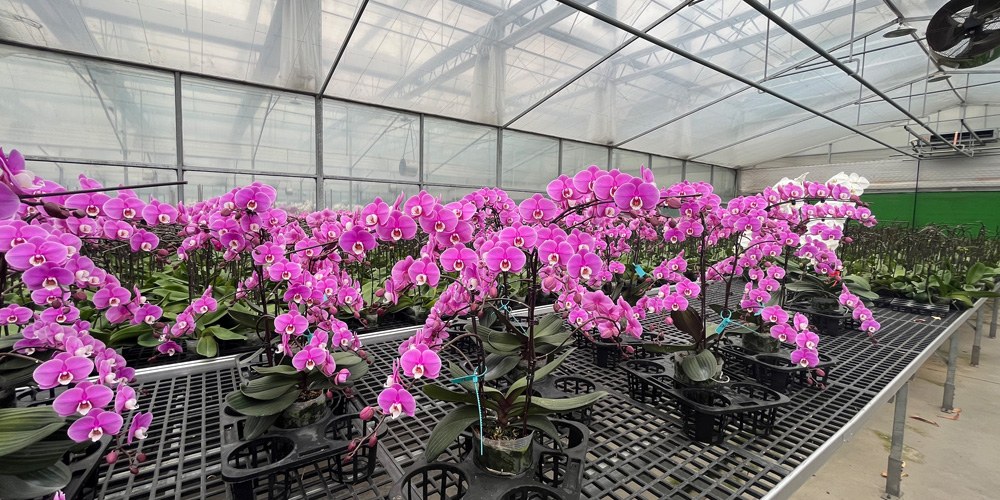
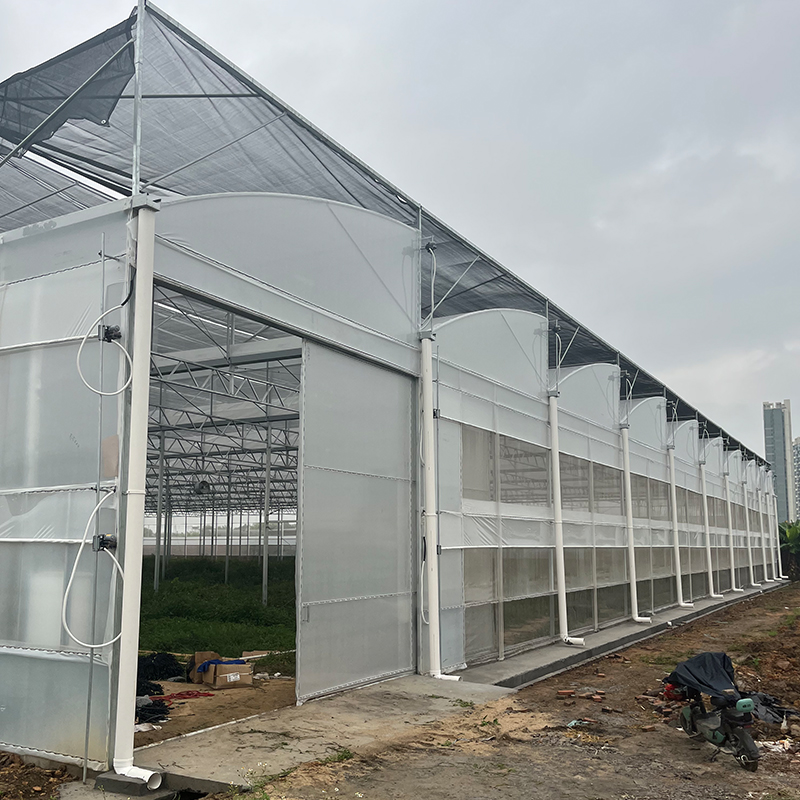
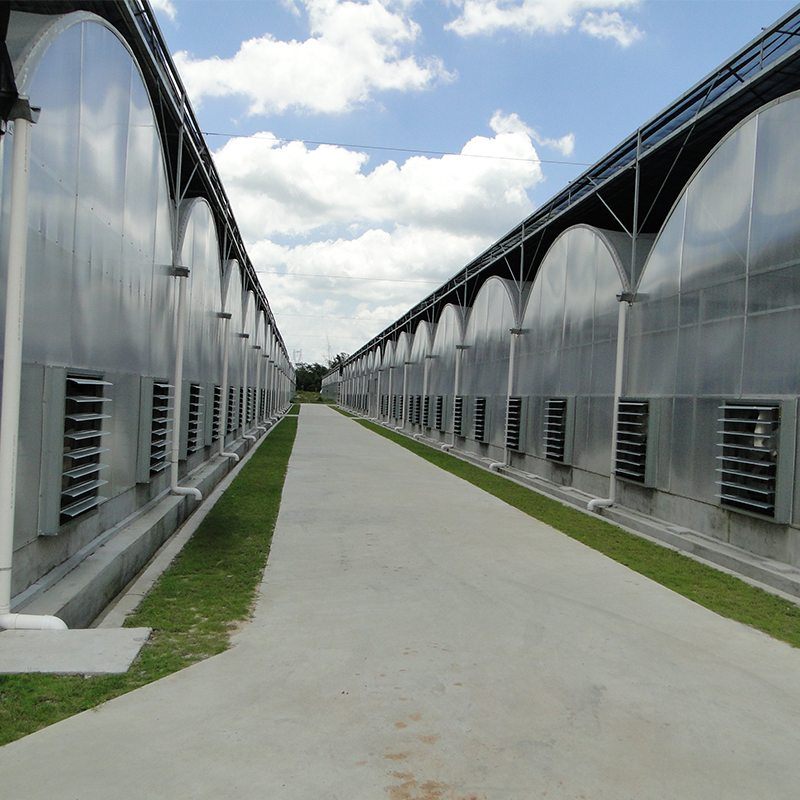
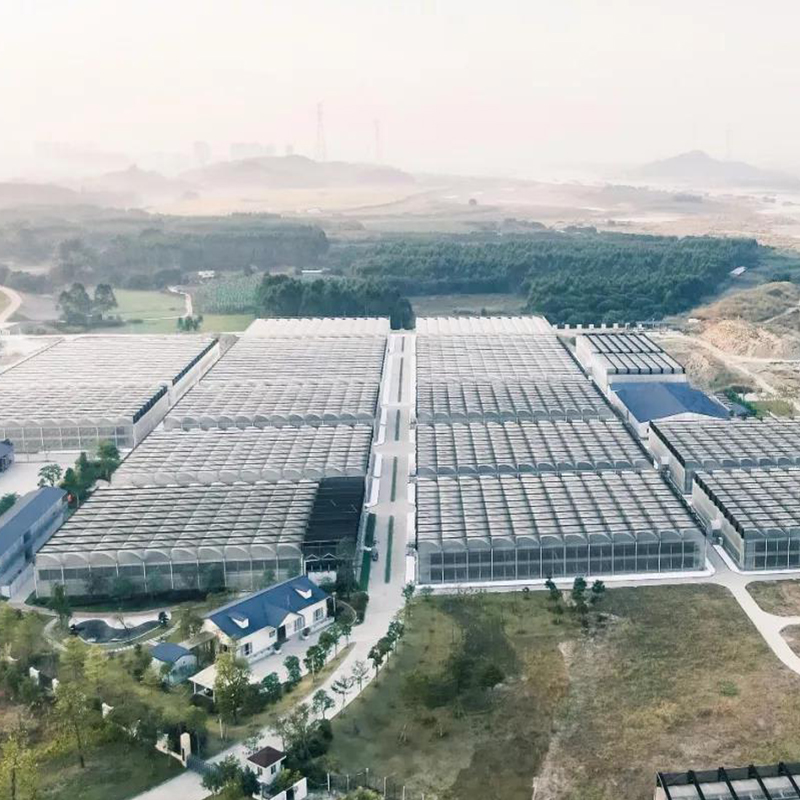
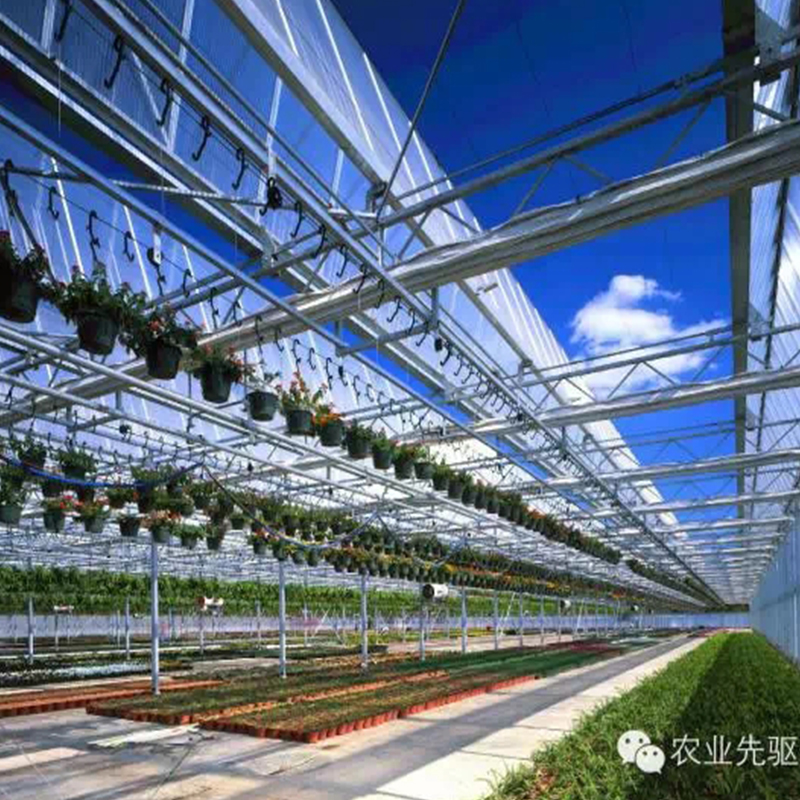
As the demand for higher-quality phalaenopsis increases, specialized phalaenopsis greenhouses have gradually become the mainstream for cultivation. Designed specifically for phalaenopsis, these greenhouses integrate advanced environmental control systems, such as automated irrigation, temperature and humidity sensors, and intelligent supplemental lighting. In phalaenopsis greenhouses, every parameter is precisely monitored, ensuring optimal conditions for the plants from seedling to flowering. Compared to ordinary plastic or glass greenhouses, phalaenopsis greenplaces place greater emphasis on space utilization and energy efficiency. For example, they often employ multi-layer vertical farming to significantly increase phalaenopsis yield within a limited area. Additionally, phalaenopsis greenhouses are equipped with intelligent management systems that adjust the environment in real-time to optimize growth conditions. These greenhouses not only improve the survival rate of phalaenopsis but also allow for more precise flowering times, perfectly meeting the demands of the New Year market. The design philosophy of phalaenopsis greenhouses centers around the plant, simulating its natural habitat. As a result, phalaenopsis grown in such facilities tend to be sturdier and produce fuller blooms. The widespread adoption of phalaenopsis greenhouses has promoted standardization and scale in the phalaenopsis industry, making them a key component of the New Year flower supply chain.
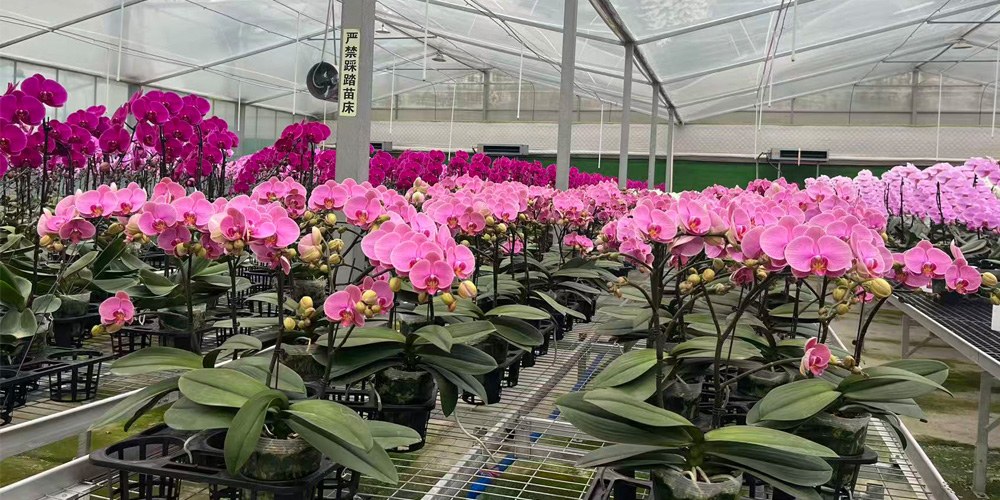
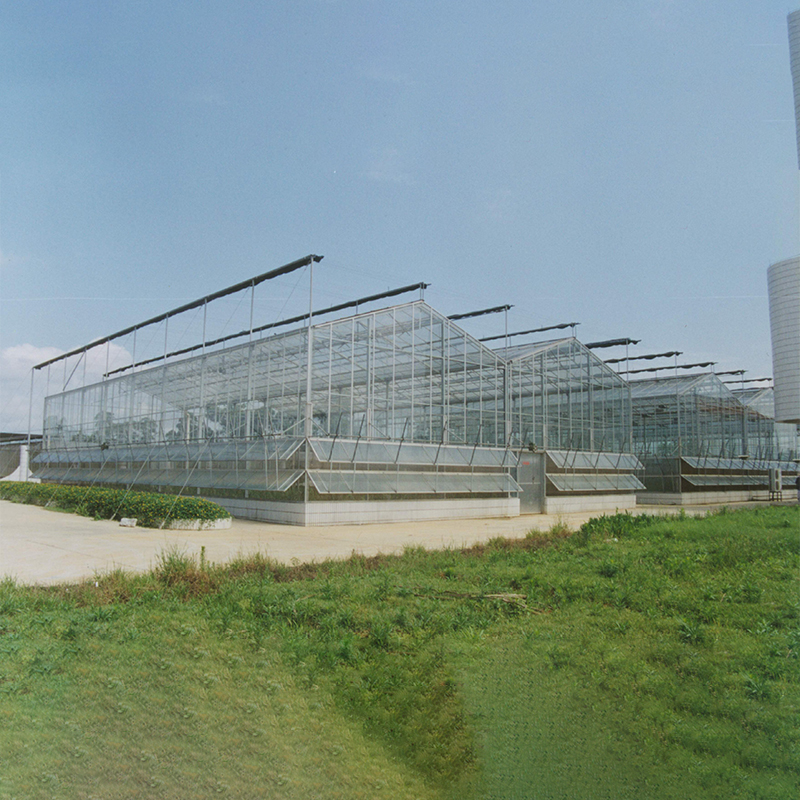
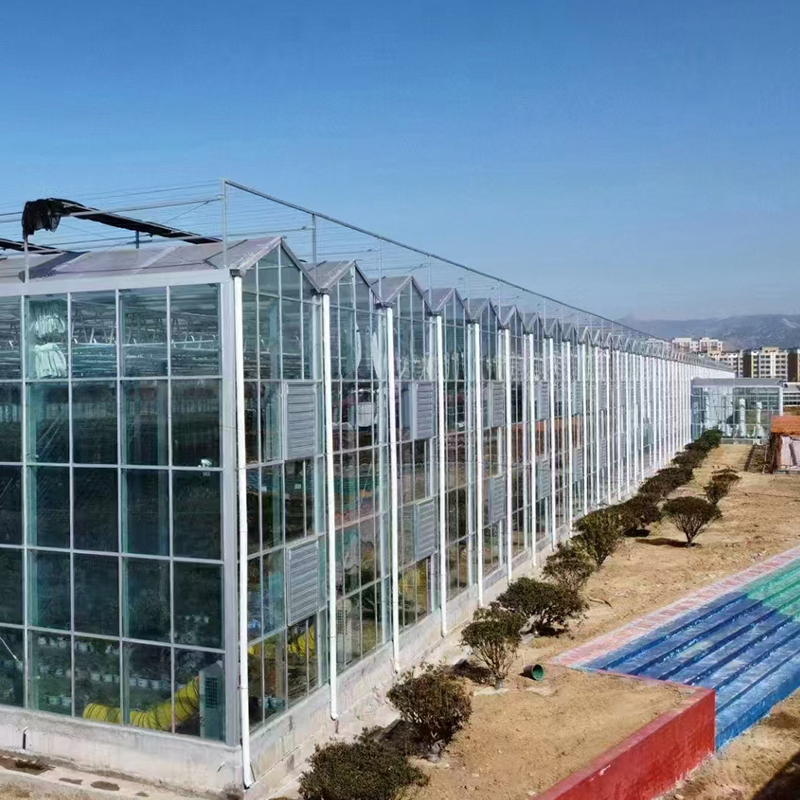
On the other hand, glass greenhouses also offer unique advantages for phalaenopsis cultivation. Known for their high light transmittance and durability, glass greenhouses provide ample natural light for phalaenopsis, promoting photosynthesis and flowering. The excellent sealing of glass greenhouses helps maintain stable temperature and humidity levels, making them particularly suitable for long-term phalaenopsis cultivation. In cold regions, the insulation properties of glass greenhouses are significant, protecting the plants from low-temperature damage. However, glass greenhouses come with higher construction costs and require regular maintenance to stay clean. Despite this, many high-end phalaenopsis nurseries favor glass greenhouses for their ability to enhance the overall quality of the plants. In glass greenhouses, phalaenopsis often grow more robustly, with brighter and fuller flowers, allowing them to command higher premiums in the New Year market. Glass greenhouses complement plastic and phalaenopsis greenhouses: plastic greenhouses are used for initial propagation, phalaenopsis greenhouses for specialized production, and glass greenhouses for cultivating high-end, premium phalaenopsis. This diversified greenhouse system ensures that the needs of phalaenopsis are met at different growth stages.
Successful phalaenopsis cultivation relies on comprehensive greenhouse environment management. Whether in plastic, phalaenopsis, or glass greenhouses, growers must have a deep understanding of the plant’s growth habits. For instance, phalaenopsis prefers humidity but is susceptible to waterlogging, so irrigation systems must be precisely controlled. The plants are sensitive to light and require protection from direct, intense sunlight. In plastic greenhouses, enhanced ventilation may be necessary to reduce pests and diseases. In phalaenopsis greenhouses, intelligent systems can automate environmental management. In glass greenhouses, attention must be paid to shading in summer and insulation in winter. Additionally, fertilization, pruning, and pest and disease control are crucial, especially during the New Year period, to ensure phalaenopsis blooms on schedule. Greenhouse technology enables year-round phalaenopsis production, but pre-Spring Festival supply is particularly critical. Therefore, greenhouse management must be closely aligned with market demands. As a New Year flower, timing the bloom of phalaenopsis is an art, and plastic, phalaenopsis, and glass greenhouses provide the technical foundation. Through meticulous regulation, phalaenopsis maximizes its ornamental and economic value within these controlled environments.
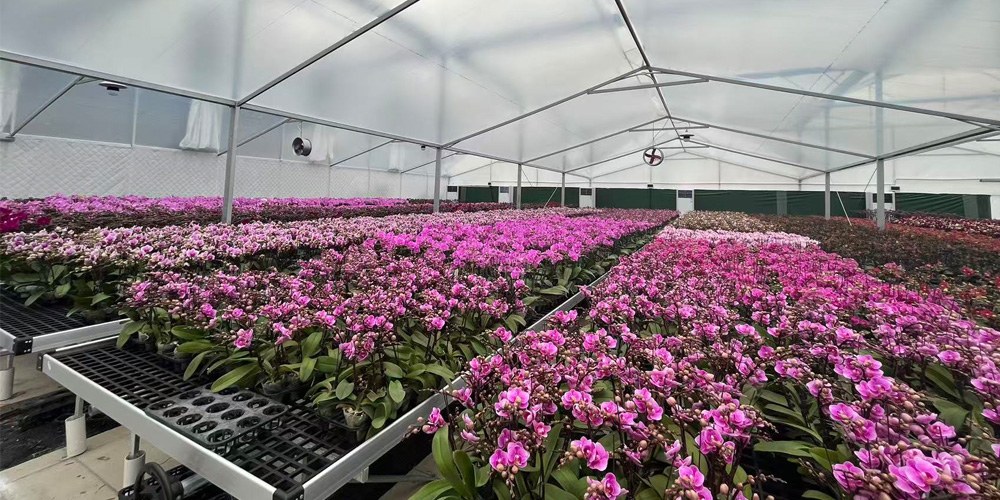
In summary, plastic greenhouses, phalaenopsis greenhouses, and glass greenhouses each play to their strengths in phalaenopsis cultivation, collectively driving the prosperity of the New Year flower industry. Plastic greenhouses promote the accessibility of phalaenopsis through low-cost solutions, phalaenopsis greenhouses enhance quality through specialization, and glass greenhouses ensure stable growth with high-end facilities. As agricultural technology advances, future greenhouse designs will become more intelligent and environmentally friendly, bringing new breakthroughs to phalaenopsis cultivation. Under the careful nurture of these greenhouses, New Year phalaenopsis will continue to bloom with its captivating brilliance, adding more joy to the Spring Festival celebrations. The greenhouse cultivation of phalaenopsis is not only a science but also an art that blends tradition with modernity. It allows us to admire the splendor of tropical orchids even in the cold of winter, witnessing the harmonious coexistence of nature and technology.
