


Strategies for Humidity Management and Variety Selection in Controlling Late Blight of Tomato in Plastic Greenhouses
In tomato protected cultivation, late blight is known as an "invisible killer" due to its explosive onset and rapid spread. Once it becomes epidemic, it can lead to severe yield reduction or even total crop loss. Especially in the enclosed environment of a greenhouse, the microclimate of high temperature and high humidity can easily become a breeding ground for the disease. Therefore, in modern vegetable and fruit greenhouse production, establishing an integrated management system based on "environmental regulation as the foundation and resistant varieties as the core" is key to achieving stable, high-quality, and sustainable tomato production. Among these measures, precise humidity control and the scientific selection of disease-resistant varieties form a dual solid line of defense against late blight in plastic polytunnel greenhouses, which are widely used as protected cultivation facilities.
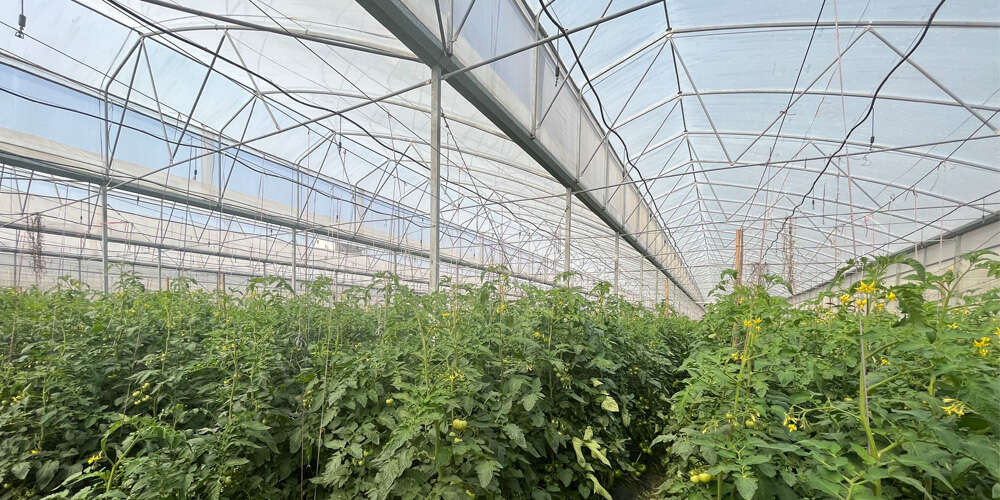
The First Line of Defense: Environmental Regulation—Precise Humidity Control, Dismantling the Disease Hotbed
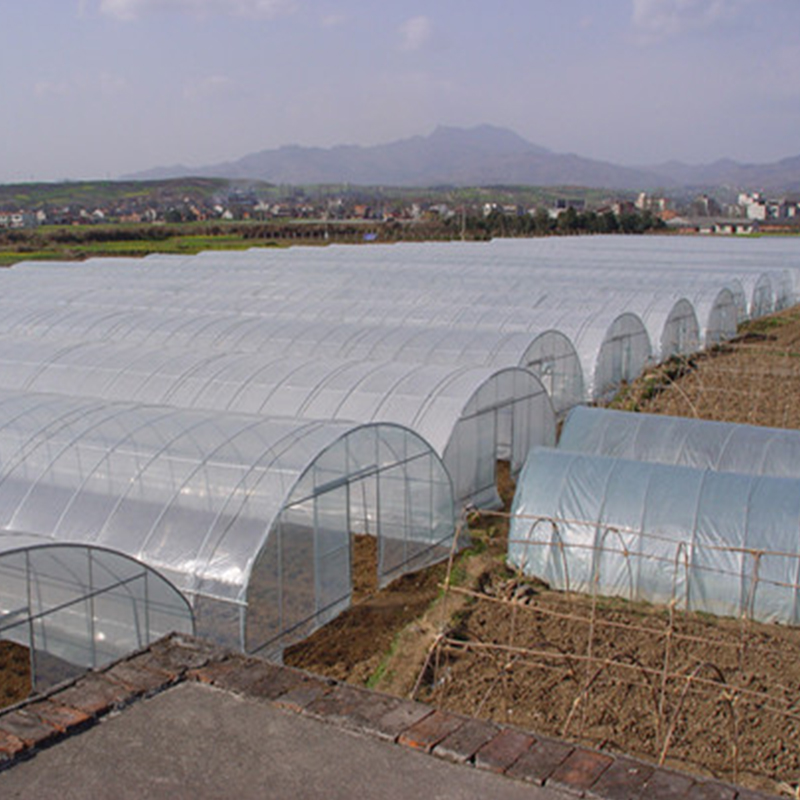
The pathogen of late blight thrives in humid conditions and fears dryness. The continuous presence of a water film on leaf surfaces or a prolonged relative air humidity above 90% provides ideal conditions for spore germination and infection. Thus, humidity control is the cornerstone of physical prevention. For the widely used plastic polytunnel greenhouses, this presents both a challenge and a key management focus.
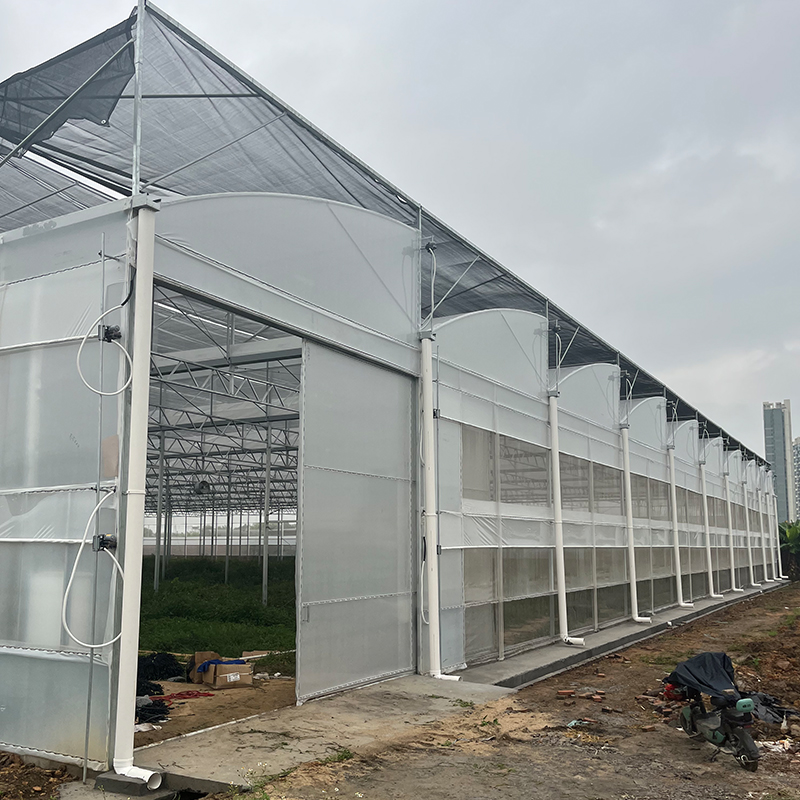
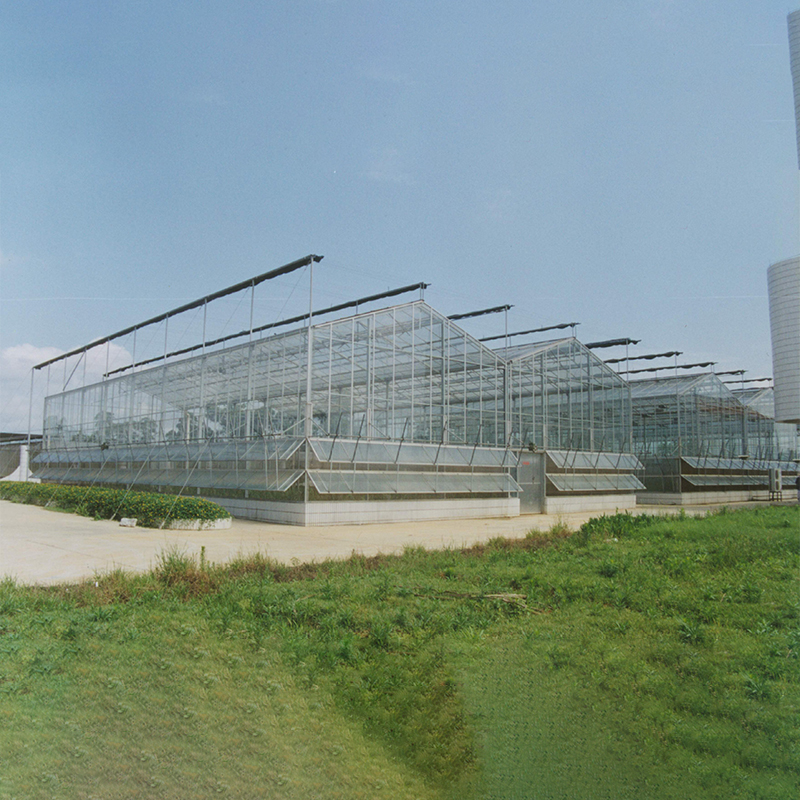
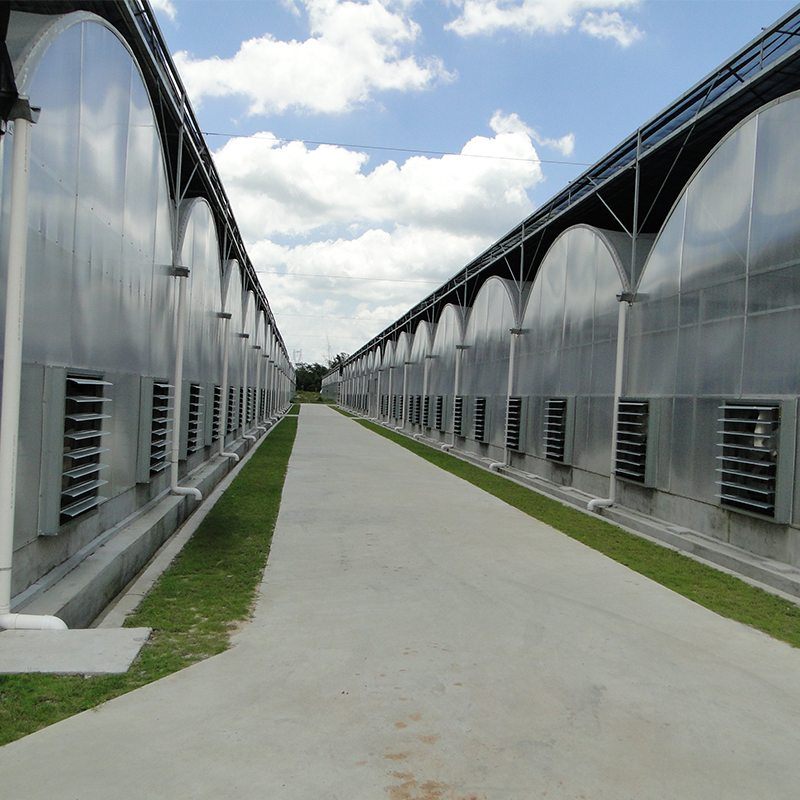
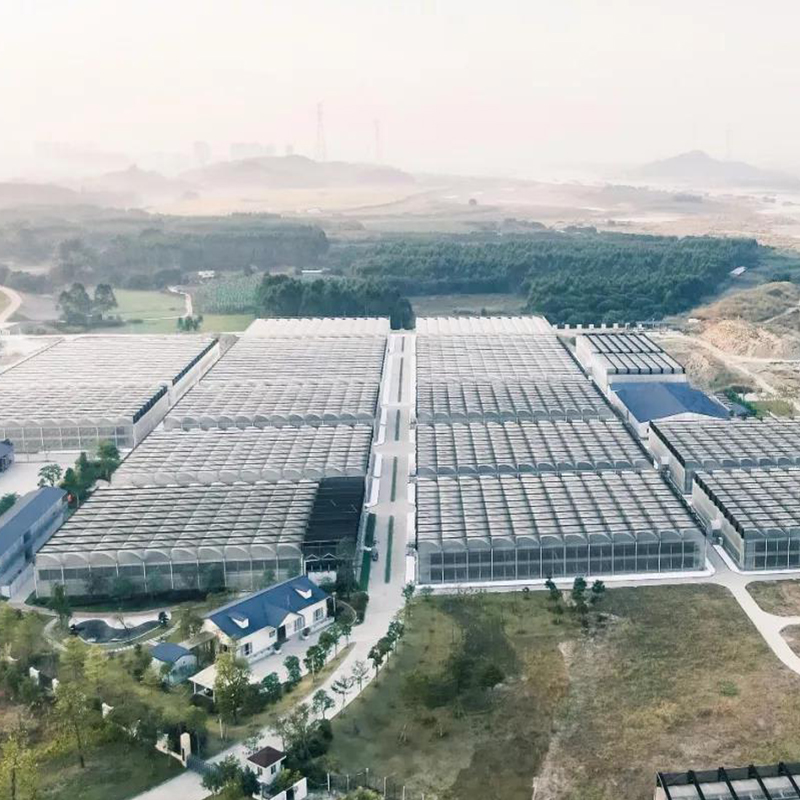
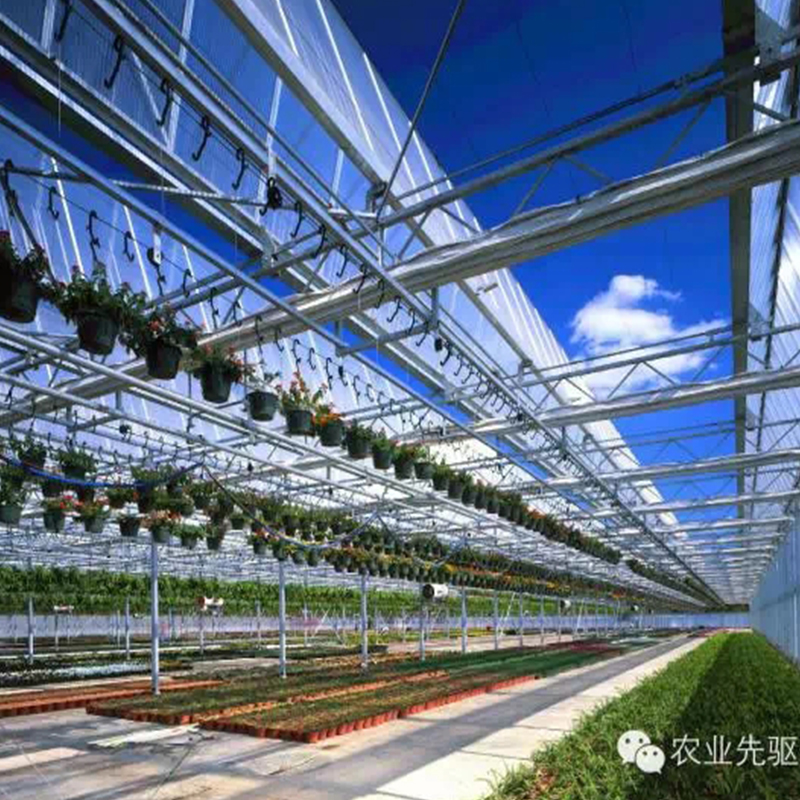
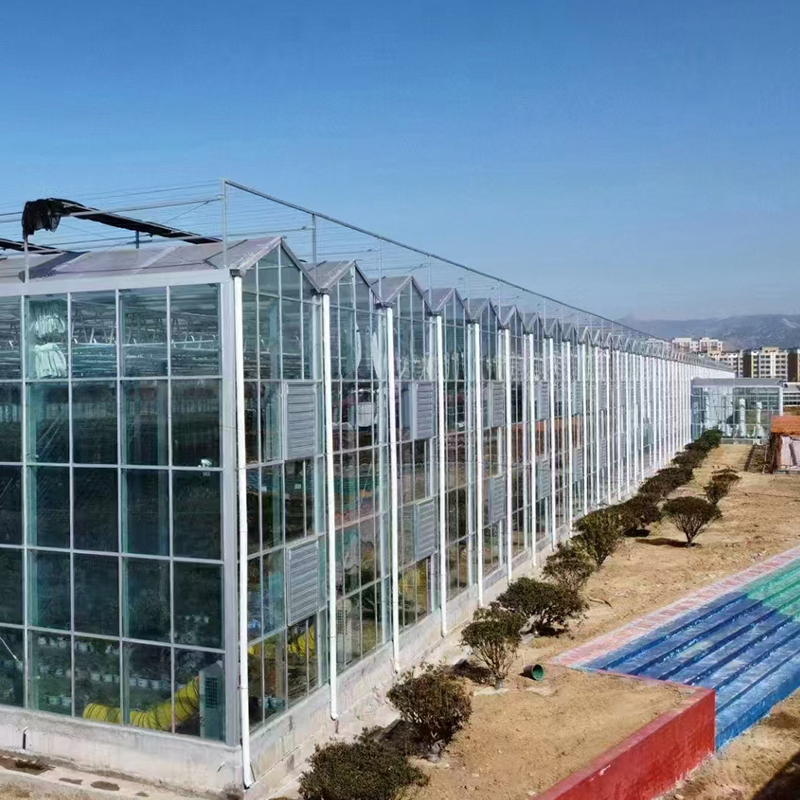
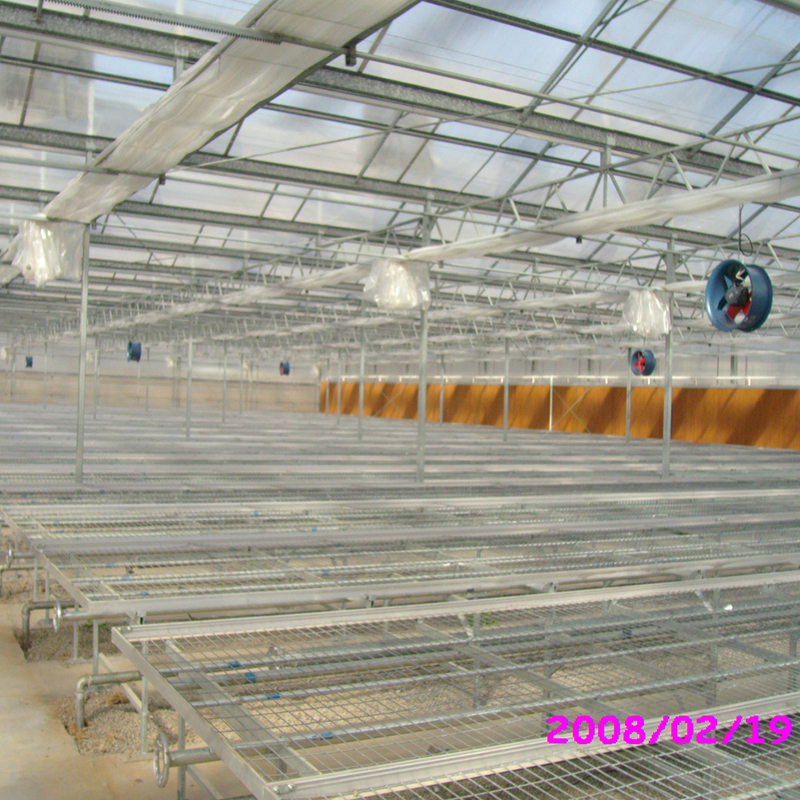
First, start with the facility structure by optimizing the design and management of big plastic greenhouses. Compared to traditional small tunnels, modern big plastic greenhouses have significant advantages in terms of space volume and environmental control capability. Ensure the greenhouse has sufficient ridge height and gutter height to create a well-proportioned interior space, preventing condensation from dripping directly onto the plants. Using high-quality plastic film with anti-drip and anti-fog functions can effectively reduce condensation drips and lower leaf surface humidity. Simultaneously, configure forced ventilation systems such as roof vents and side roll-up films, working in coordination with circulation fans to ensure smooth air movement and prevent moisture accumulation within the plant canopy. Particularly from evening through night, when humidity inside the greenhouse can spike sharply due to temperature drops, conducting short ventilation sessions in advance to expel excess humidity is crucial.
Second, innovate irrigation methods by implementing precise Greenhouse irrigation strategies. Flood irrigation across the ground is a primary cause of sharp increases in greenhouse humidity. This extensive method must be phased out and replaced with the comprehensive adoption of subsurface drip irrigation or seepage irrigation. Integrating the Greenhouse irrigation system with soil moisture sensors or crop water requirement models enables precise water supply—on-demand, in small amounts, and frequently. Delivering water directly to the root zone significantly reduces soil surface evaporation and humidity between plant rows. Meanwhile, laying mulch (especially black plastic mulch) can further suppress soil moisture evaporation, increase soil temperature, control weeds, and create a rhizosphere micro-environment unfavorable for pathogen spread. Through an intelligent control system, link Greenhouse irrigation with ventilation, heating, and other measures—automatically initiating ventilation programs after irrigation to rapidly remove excess moisture.
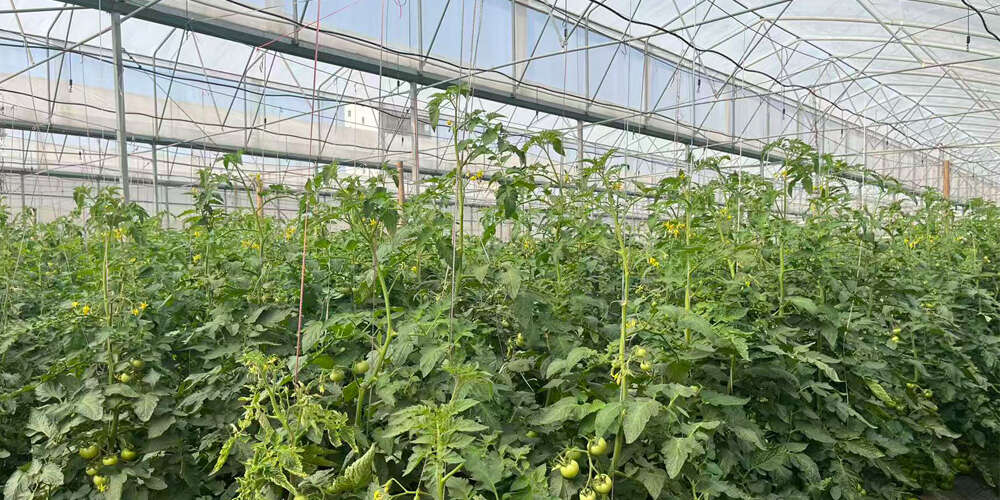
The Second Line of Defense: Genetic Resistance—Selecting Superior Varieties, Building Innate Immunity
While striving to optimize the environment, choosing to plant tomato varieties resistant to late blight is a long-term strategy to fundamentally reduce disease pressure and lower control costs. For vegetable and fruit greenhouses specializing in tomatoes, variety selection directly impacts production safety and economic returns.
Currently, there are many tomato varieties on the market with different levels of resistance (e.g., resistant, moderately resistant) to late blight. Growers should prioritize selecting disease-resistant varieties that are suitable for the local climate, greenhouse cultivation conditions, and have good commercial traits. It is important to understand that resistant varieties are not "immune" varieties; under extreme conditions of high humidity and high pathogen pressure, their resistance may be overcome. Therefore, for large-scale cultivation in big plastic greenhouses, it is advisable to avoid monoculture. Reasonably diversifying varieties with different resistance genes or mechanisms can help delay the risk of pathogen adaptation. Additionally, always purchase high-quality seedlings from reputable sources to ensure varietal purity and health, preventing the introduction of infected seedlings into the greenhouse.
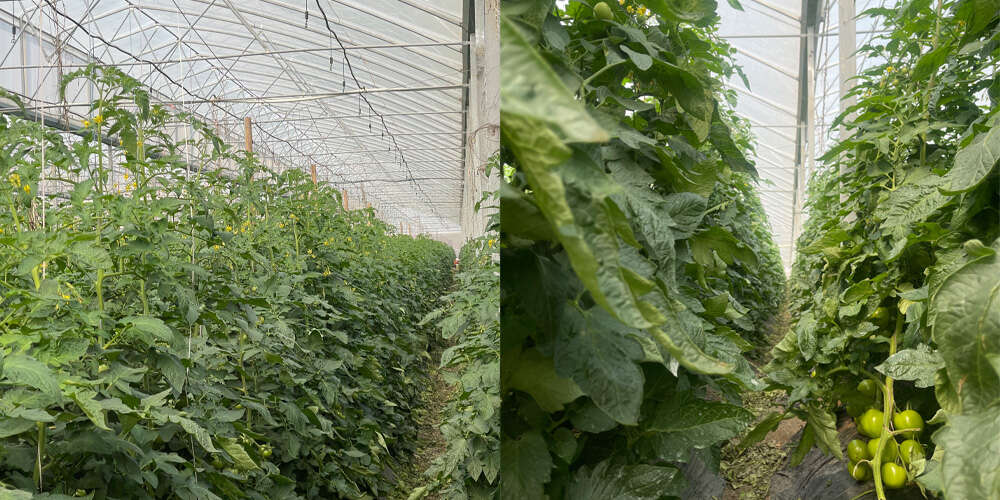
Synergistic Effects: Integration and Practice of the Dual Approach
Only by organically combining environmental control with disease-resistant varieties can a synergistic control effect of "1+1>2" be achieved. Building on the "genetic shield" provided by resistant varieties, through meticulous Greenhouse irrigation and ventilation management, consistently maintain the air humidity inside the plastic polytunnel greenhouse below 80% and minimize the duration of leaf surface wetness. This approach maximally disrupts the infection cycle of late blight. This model is particularly suitable for modern vegetable and fruit greenhouses pursuing environmental friendliness and sustainable production.
In specific practice, within big plastic greenhouses, managers should establish a round-the-clock environmental monitoring network to track temperature and humidity changes in real-time. Once humidity approaches critical levels, the system should respond immediately by activating ventilation or supplemental heating (to prevent excessive temperature drops from ventilation) and other measures. Simultaneously, develop corresponding water and fertilizer management plans based on the characteristics of the resistant varieties to cultivate robust plants and enhance their natural resistance.
In summary, facing the threat of tomato late blight, reliance on chemical control alone is no longer viable in plastic polytunnel greenhouses, especially modern big plastic greenhouses. By upgrading Greenhouse irrigation systems, strengthening precise environmental regulation to "control humidity," and combining scientific "variety selection," a bio-physical integrated defense system that combines internal and external measures can be established. This approach provides a sturdy protective umbrella for tomato production in vegetable and fruit greenhouses, ensuring high-quality and sustainable development of the industry.
